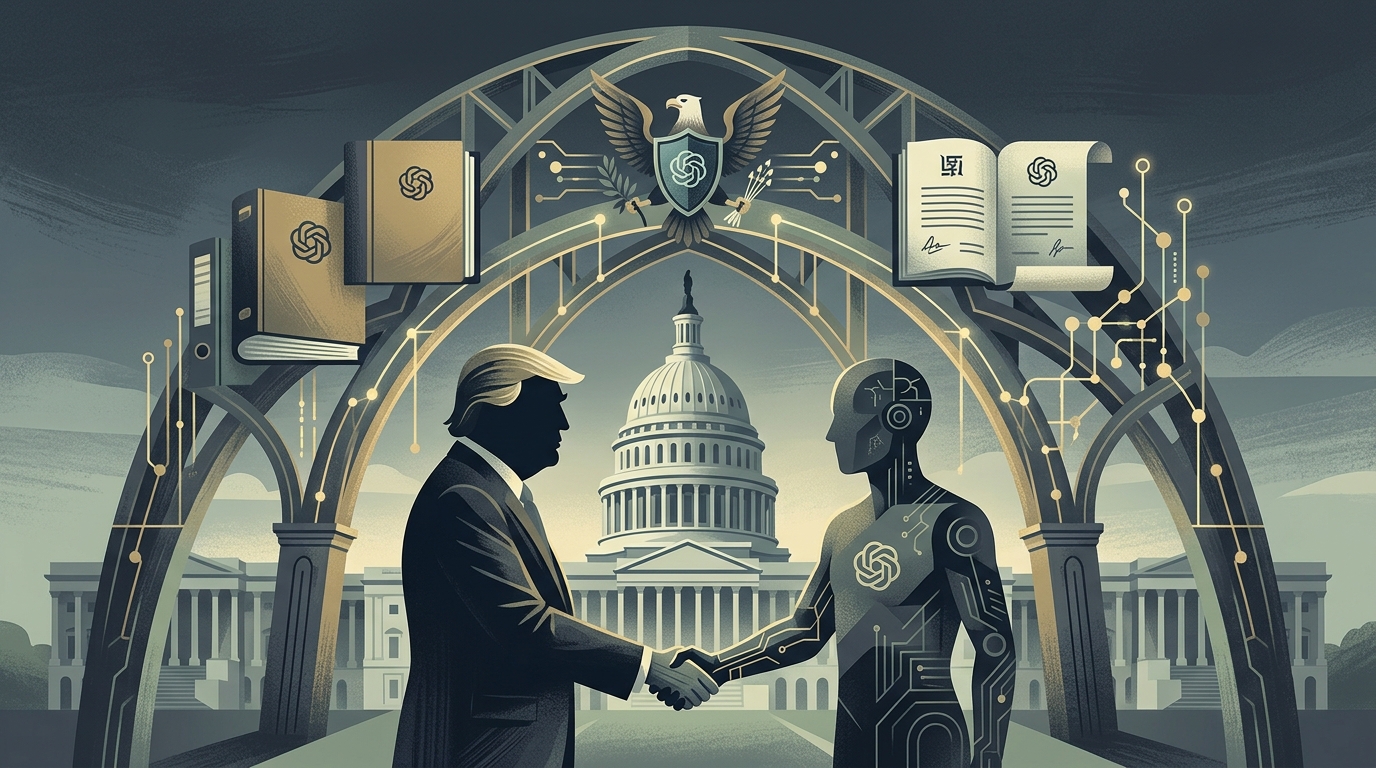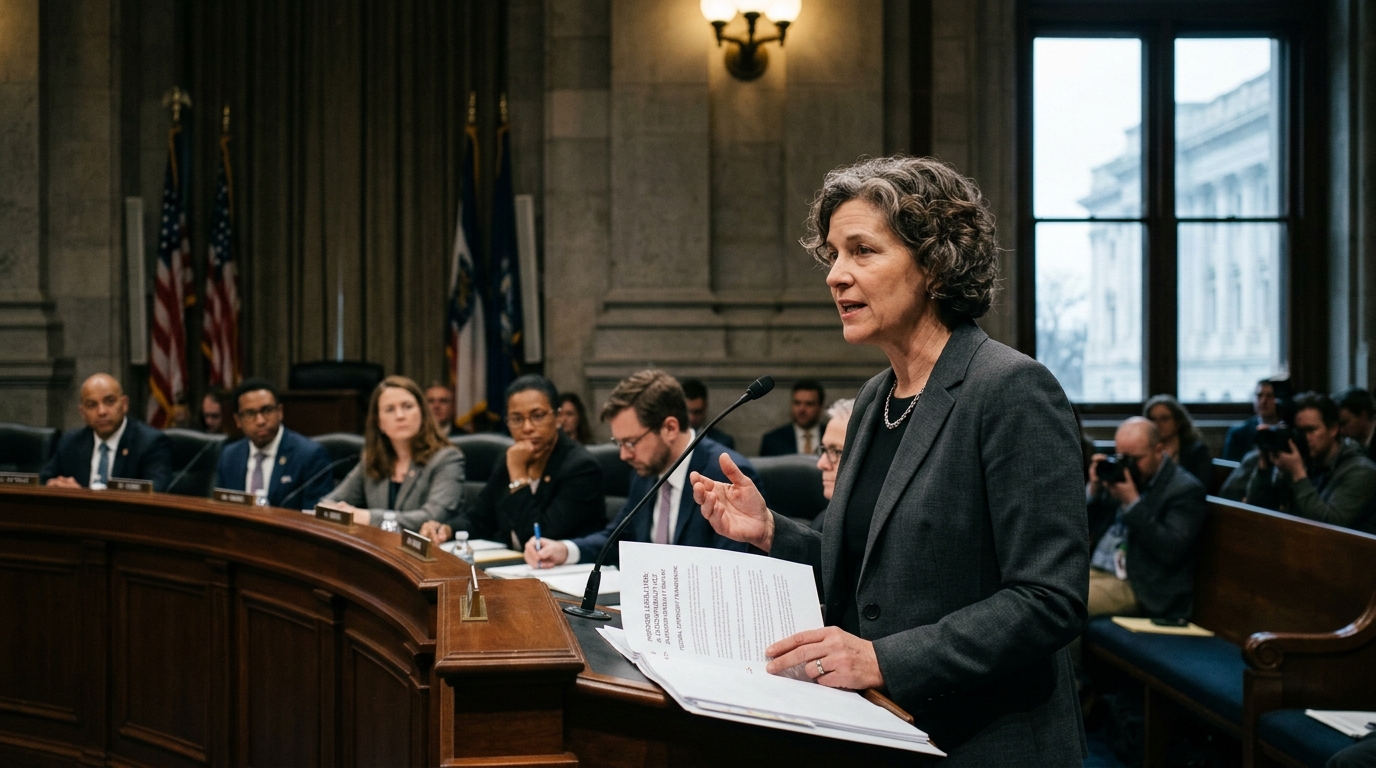
In the corridors of power in Washington D.C., the political climate surrounding Artificial Intelligence (AI) has undergone a profound shift. The era of wide-eyed wonder has been replaced by a stern focus on accountability. As of May 2026, a landmark federal bill is making its way through Congress, aiming to bring Silicon Valley’s titans to heel. The debate is no longer about whether to regulate, but how to enforce liability in an industry that traditionally moves at the speed of light, leaving legislation in its wake.
From Voluntary Pledges to Mandatory Liability
For years, tech companies operated under a regime of self-regulation and voluntary safety commitments. However, the proliferation of large-scale generative models and the resulting surge in deepfakes, misinformation, and algorithmic bias have forced a legislative reckoning. The proposed federal bill seeks to dismantle the legal shield that has long protected tech companies from the consequences of their creations.
The central point of contention is the potential modification of Section 230 of the Communications Decency Act. While this law has historically protected platforms from liability for third-party content, the new bill argues that AI-generated content—created by the company's own algorithms—does not fall under this protection. If an AI model provides harmful medical advice or facilitates financial fraud, the developer could face massive class-action lawsuits. Tech lobbyists argue this would "handcuff" American innovation, giving a strategic advantage to global rivals like China.
Safety, Transparency, and the 'Black Box' Problem
A core pillar of the legislation is the mandate for "training data transparency." Lawmakers are demanding that companies disclose the datasets used to train their models, ensuring that intellectual property is respected and that models are not trained on biased data that perpetuates systemic discrimination. Furthermore, the bill introduces mandatory "red-teaming"—rigorous safety testing by independent third parties—before any high-risk AI system can be deployed to the public.
- Mandatory digital watermarking for all AI-generated media to combat deepfakes.
- The establishment of a new federal agency dedicated solely to AI oversight.
- Strict financial penalties tied to a percentage of a company's global annual revenue.
- Consumer protections against automated decision-making in critical sectors like housing, credit, and employment.
The technical complexity of neural networks poses a significant hurdle for enforcement. These models are often described as "black boxes," where even their creators cannot fully explain how a specific output was generated. Legislating accountability for an unexplainable process is a legal frontier that the current bill attempts to navigate by focusing on the "duty of care" during the development phase.
The Global Context and the 'Brussels Effect'
While the U.S. debates this bill, the European Union’s AI Act is already in full implementation. American lawmakers are under immense pressure to harmonize their standards with Europe to prevent a fragmented global market. However, a distinct American flavor remains: the bill emphasizes national security and economic competitiveness alongside safety. There is a palpable fear that over-regulation could lead to a "brain drain" of AI talent to less restrictive jurisdictions.
"We cannot allow Artificial Intelligence to become the Wild West of the 21st century. Accountability is not an obstacle to progress; it is the prerequisite for public trust," stated a key Senator during the recent hearings.
In conclusion, this federal bill represents a watershed moment for tech governance. If passed, it will signal the end of the "move fast and break things" era for AI. Companies will be forced to treat safety not as a marketing afterthought, but as a core engineering requirement. The resolution of this debate will define the trajectory of the digital economy and the ethical boundaries of the most transformative technology of our time.