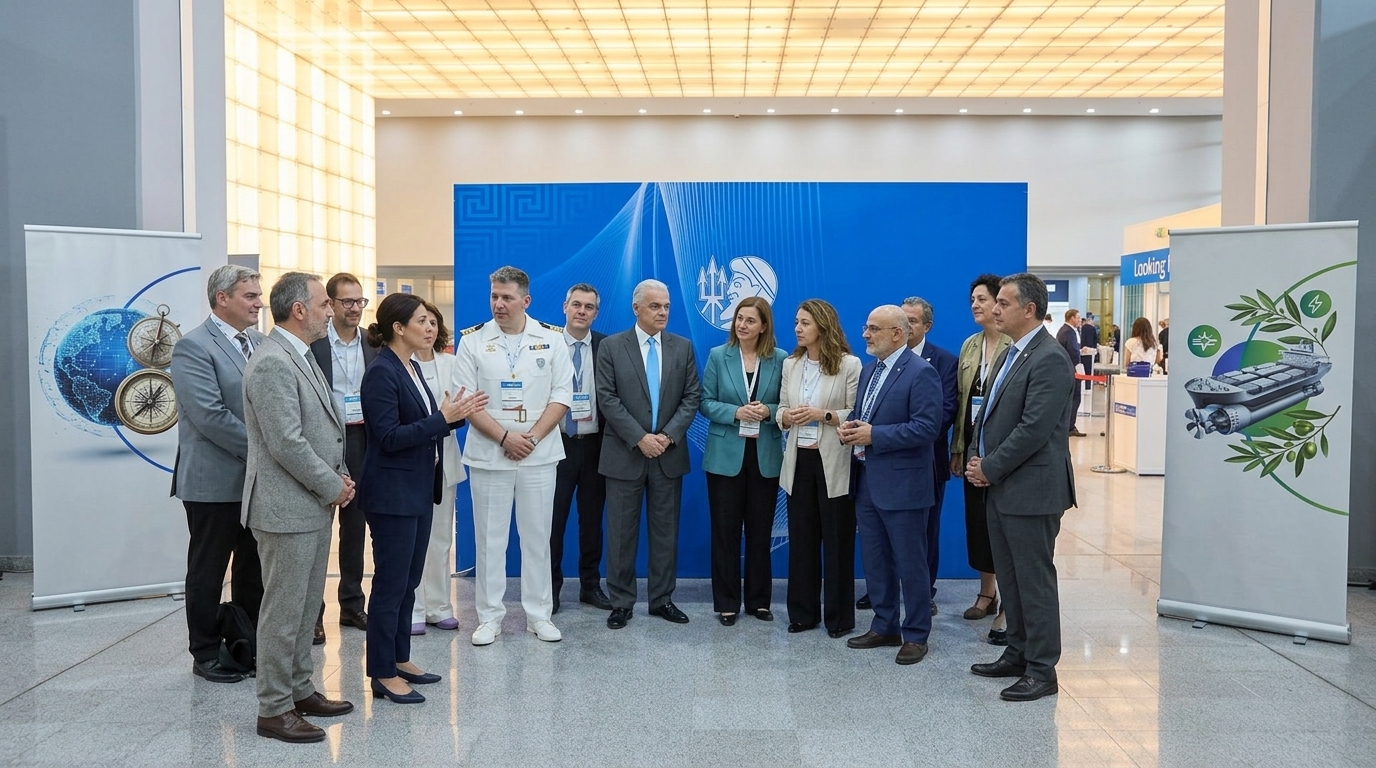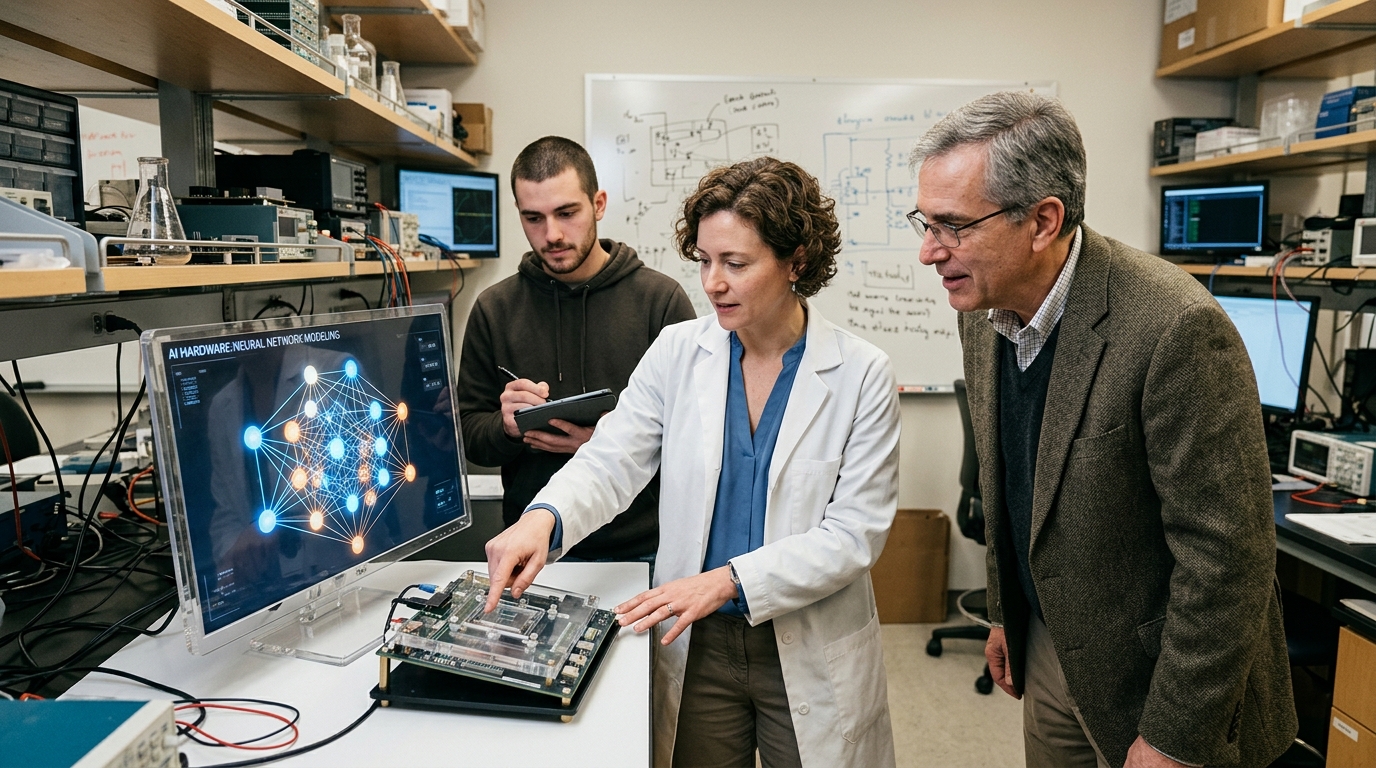
In an era where Artificial Intelligence (AI) is no longer a distant promise but a daily reality, the University of Scranton has successfully concluded one of the most influential conferences of 2026 regarding the role of algorithms in the academic community. Organizers, assessing the outcomes, spoke of a 'major success' measured not just by attendance figures, but primarily by the depth of dialogue surrounding ethics, pedagogy, and the professional preparation of students.
The Transformation of the Pedagogical Process
The core finding of the conference was that AI is forcing universities to rethink the fundamental structure of learning. This isn't merely about adopting new tools, such as advanced digital assistants or automated grading systems, but a radical paradigm shift. Speakers emphasized that traditional rote memorization and conventional assignments are now obsolete. Instead, education must focus on 'algorithmic critical thinking'—the ability of students to evaluate, challenge, and direct AI systems.
According to the organizers, the conference highlighted the need for a 'hybrid model' of teaching. In this model, the professor ceases to be the sole source of knowledge and transforms into a mentor who guides the student through the chaos of information produced by AI. Scranton's success lies in its ability to bring technologists and humanists to the same table, reminding us that technology without a philosophical background of critical analysis remains a hollow tool.
Ethics and Jesuit Tradition in the Digital Age
A unique feature of the conference was the connection of technological evolution with the values of the University of Scranton. As a Jesuit institution, the discussion focused heavily on 'cura personalis' (care for the whole person). Participants discussed how AI can be used to enhance inclusion and accessibility, rather than becoming a means of further social exclusion.
Concerns about algorithmic bias and intellectual property dominated the sessions. The challenge posed was clear: how can we ensure that the use of AI in research does not lead to a 'homogenization of thought'? Organizers underscored that the conference's success stemmed from the honesty with which these risks were addressed. Academic integrity is not threatened by AI itself, but by a lack of transparency in how it is integrated into studies.
Preparing for a Workforce in Constant Flux
The conference was not confined to campus walls. A significant portion of the discussions concerned the link between education and the 2026 labor market. With automation now affecting white-collar jobs, the urgent question was: Which skills will remain valuable? The answer provided by experts was 'empathy, strategic thinking, and ethical judgment.'
Industry representatives at the conference confirmed they are looking for graduates who don't just know how to use AI, but who understand its social and economic implications. The University of Scranton, through this conference, proved that higher education can remain relevant only if it acts as a bridge between technological innovation and human value. The organizers committed that the takeaways would form the basis for a new strategy to be implemented starting next academic year, positioning Scranton as a model for other institutions worldwide.
Conclusions and Next Steps
In closing, the organizing committee emphasized that AI is a mirror of our own capabilities and weaknesses. The 'major success' of the conference lies in the awakening of the community. Education is no longer a static process of knowledge transmission but a living organism that must evolve alongside its algorithms. The message from Scranton is clear: technology is here to serve humanity, and the university's mission is to ensure that humans remain the masters of this relationship.