For decades, the scientific community viewed Alzheimer’s disease as a predestined path of cognitive decay. The presence of amyloid plaques and tau tangles in the brain was seen as a "death sentence" for neurons. However, a long-standing medical mystery persisted: individuals who, upon autopsy, were found to have brains riddled with these pathological markers, yet who remained mentally sharp until their final days. New research, leveraging the analytical prowess of Artificial Intelligence, is beginning to unravel this phenomenon, known as "cognitive resilience."
AI as a Digital Microscope into the Human Mind
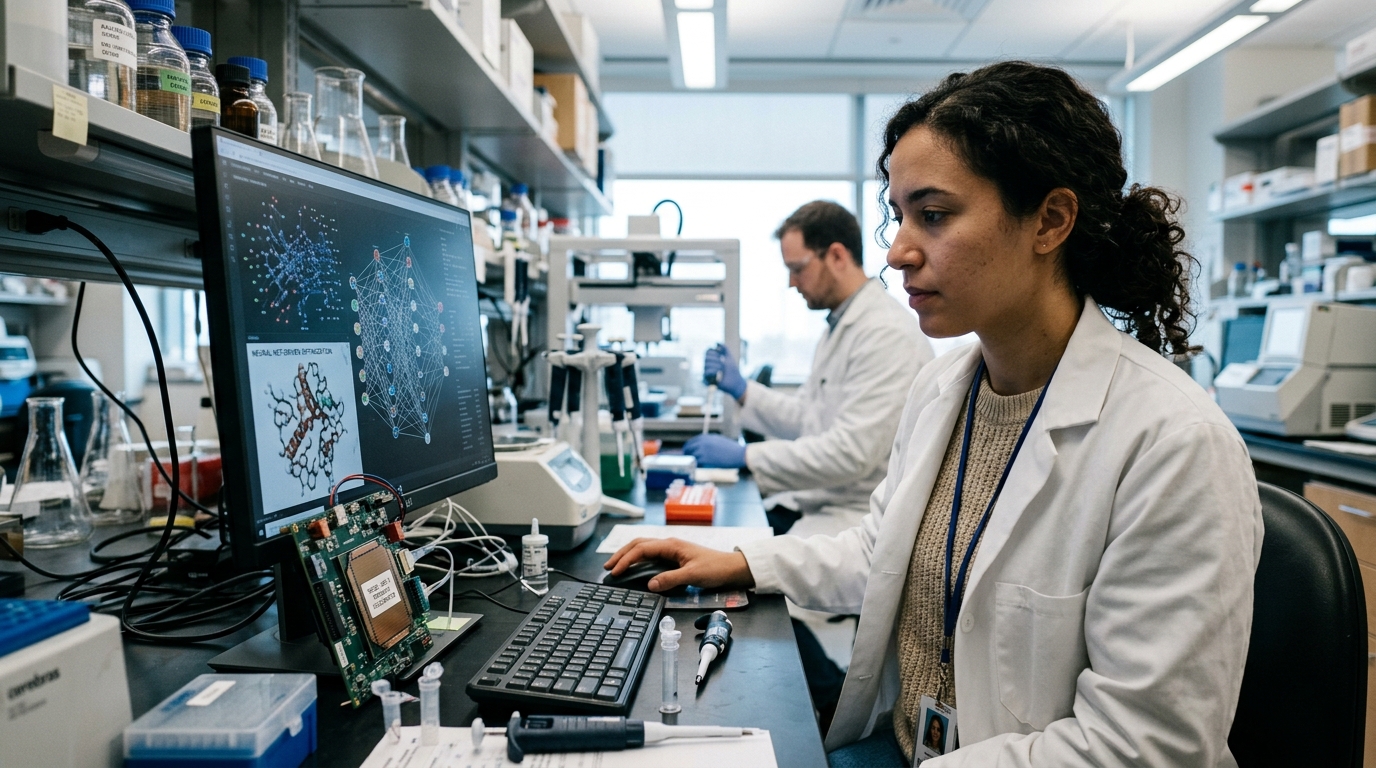
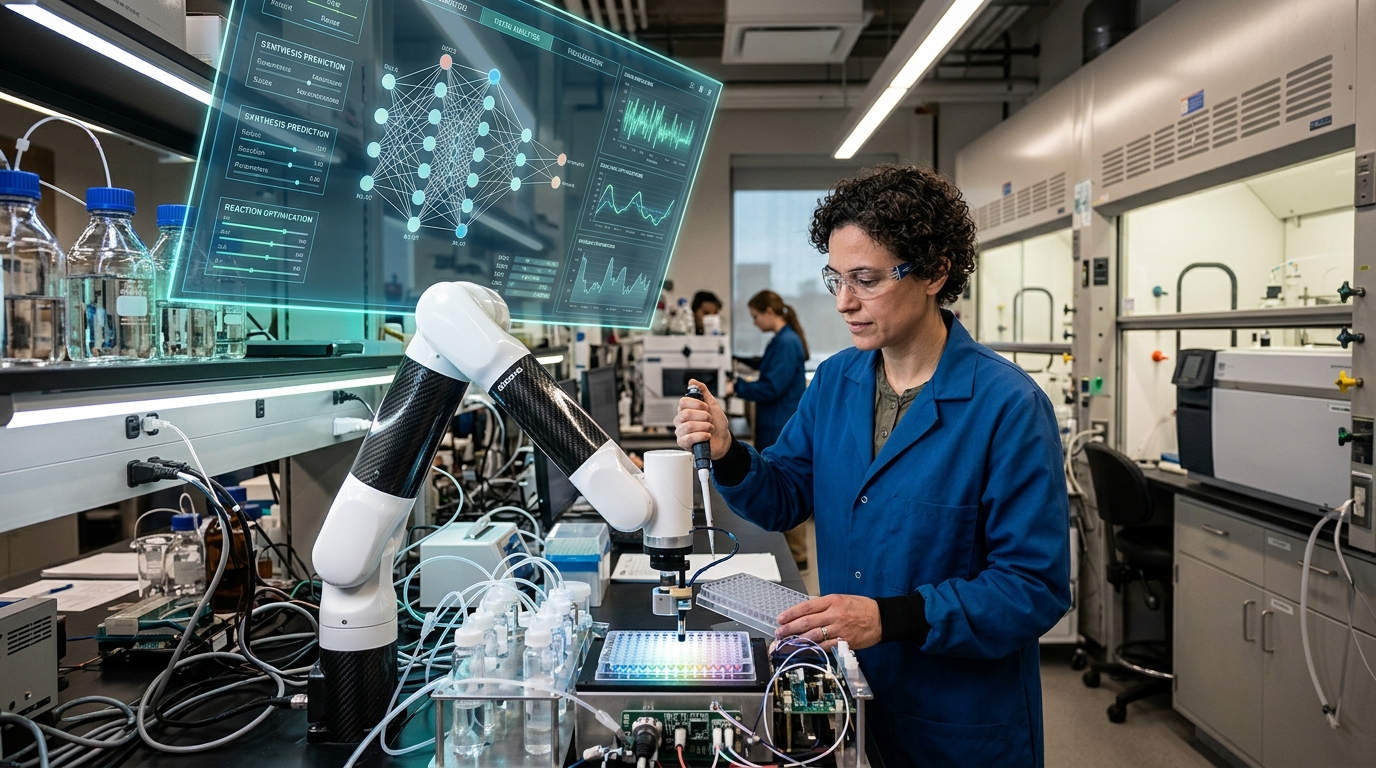
The study, recently highlighted by PsyPost, would have been impossible without machine learning. Researchers analyzed massive datasets from hundreds of brain donors, merging genetic information, proteomic analysis, and clinical histories. The challenge for the human mind was the sheer scale of variables: how do you identify the unique molecular footprint that protects one brain among billions of possible gene and protein combinations?
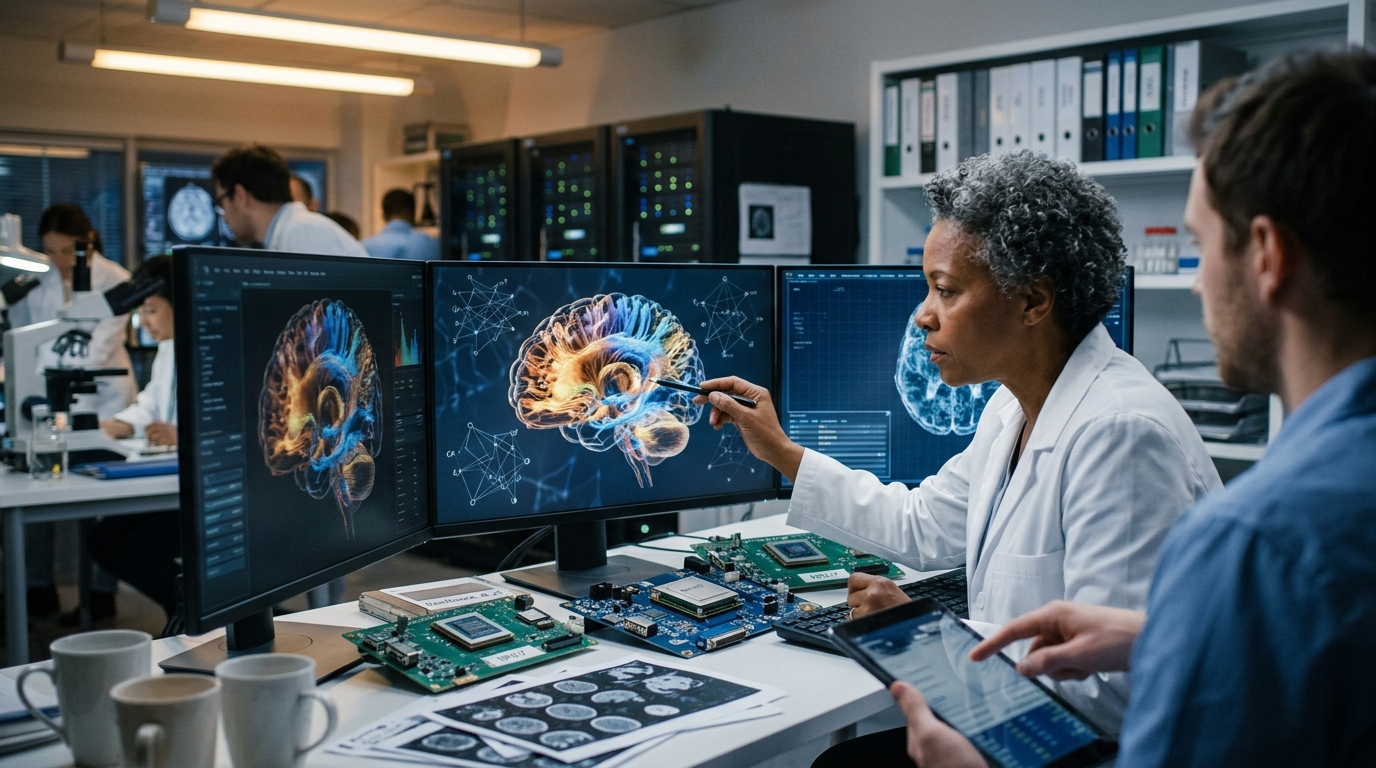
This is where AI steps in. Using deep learning algorithms, the research team managed to identify specific gene networks that act as a "shield." These networks do not necessarily prevent the formation of plaques; instead, they allow the brain to function normally despite their presence. AI acted as a sophisticated tracker, recognizing patterns that traditional statistical methods were unable to discern within the biological noise.
The Mechanisms of Resilience: Synapses and Energy
The findings suggest that cognitive resilience is not a random stroke of luck but an active biological process. According to the AI analysis, "resilient" brains exhibit heightened activity in genes related to two critical areas: synaptic plasticity and mitochondrial energy metabolism.
- Synaptic Integrity: These brains appear to possess more robust connections between neurons. Even when part of the network collapses due to disease, the remaining synapses are flexible enough to shoulder the load, maintaining the flow of information and memory retrieval.
- Mitochondrial Health: AI identified that the cells' ability to produce energy is a decisive factor. If neurons have the "fuel" to resist the oxidative stress caused by Alzheimer's pathology, they can survive significantly longer.
This discovery fundamentally shifts the pharmaceutical strategy. Rather than focusing exclusively on clearing amyloid plaques—an approach that has met with numerous failures in clinical trials—the research suggests reinforcing the brain's natural defense mechanisms as a viable alternative.
Toward Personalized Prevention and Precision Medicine
The significance of this study extends far beyond the laboratory. If we can use AI to identify which individuals possess the genetic background for resilience, we can develop personalized therapeutic interventions. Furthermore, the research underscores the role of lifestyle. Factors such as lifelong learning, social engagement, and nutrition appear to "train" resilience genes, activating the pathways that AI has identified as protective.
"We are no longer just looking at what goes wrong in the brain, but what goes right in the brains that survive," the researchers noted.
However, challenges remain. Access to such high-tech genomic and AI analysis is currently limited, and the costs remain prohibitive for widespread clinical use. Additionally, the ethical dimension of using AI on sensitive medical data from elderly populations requires rigorous protection frameworks. Despite these hurdles, the convergence of neuroscience and artificial intelligence brings us closer to an era where Alzheimer’s may no longer be an incurable fate, but a manageable challenge.