In a period where the global economy balances on a tightrope between persistent inflationary pressures and the need for rapid technological evolution, Meredith Whitney, CEO of Meredith Whitney Advisory Group, offers a compelling and analytical perspective. Speaking on Bloomberg’s "Open Interest" on June 1, 2026, Whitney—renowned for her prescient and often bold market calls—argued that the U.S. economy and, by extension, the global market are exhibiting remarkable resilience, largely driven by the integration of Artificial Intelligence (AI).
AI as a Productivity Catalyst in a High-Rate Environment
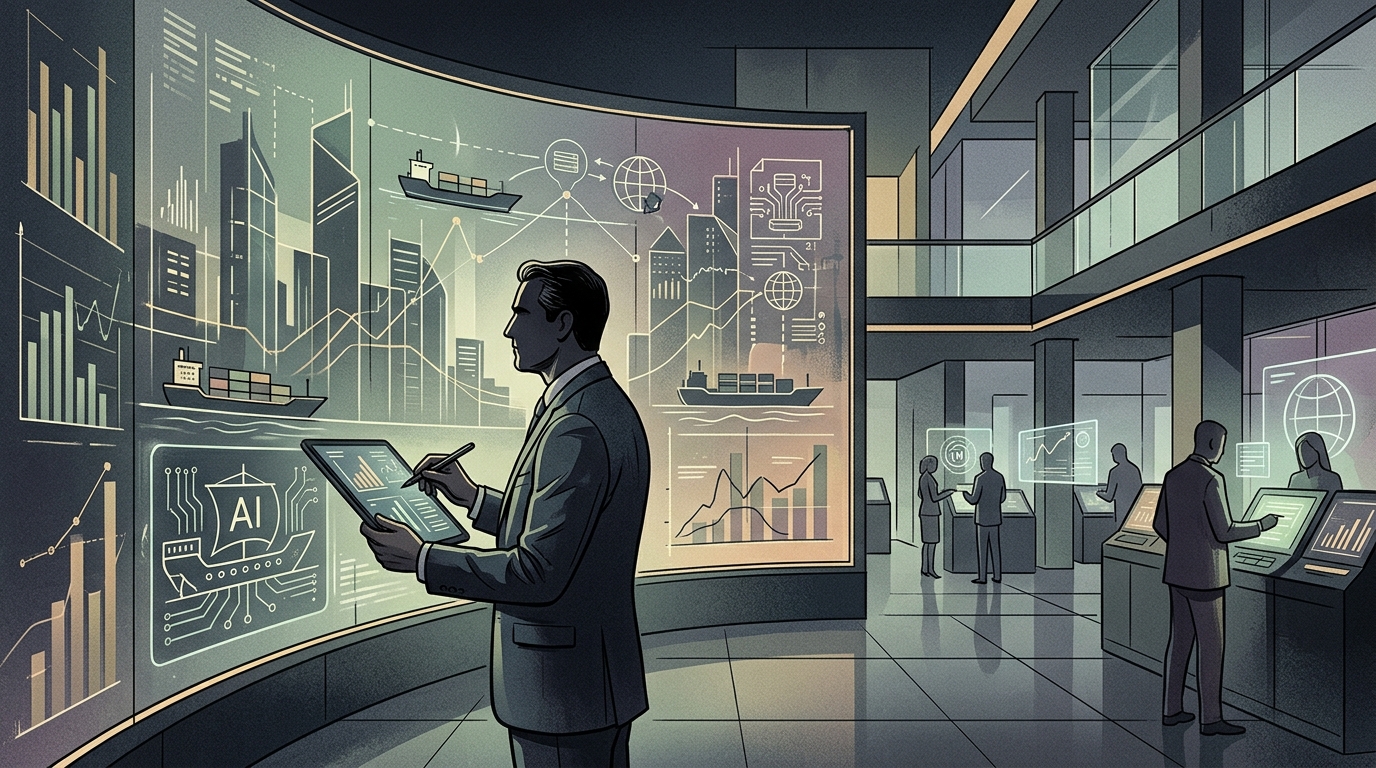
Whitney points out that despite concerns over "higher for longer" interest rates, the adoption of AI has begun to yield tangible results in operational efficiency. This is no longer a theoretical promise but a reality reflected in corporate balance sheets. AI's ability to automate complex processes and optimize supply chains acts as a deflationary force, counteracting increases in labor costs and raw materials.
According to her analysis, businesses that invested early in AI infrastructure during the 2024-2025 window are now seeing a significant expansion of their profit margins. This profitability "cushion" allows companies to absorb increased borrowing costs without resorting to mass layoffs or drastic investment cuts, thereby keeping the economy on a growth trajectory.
Debt Market Challenges and the Shifting Landscape
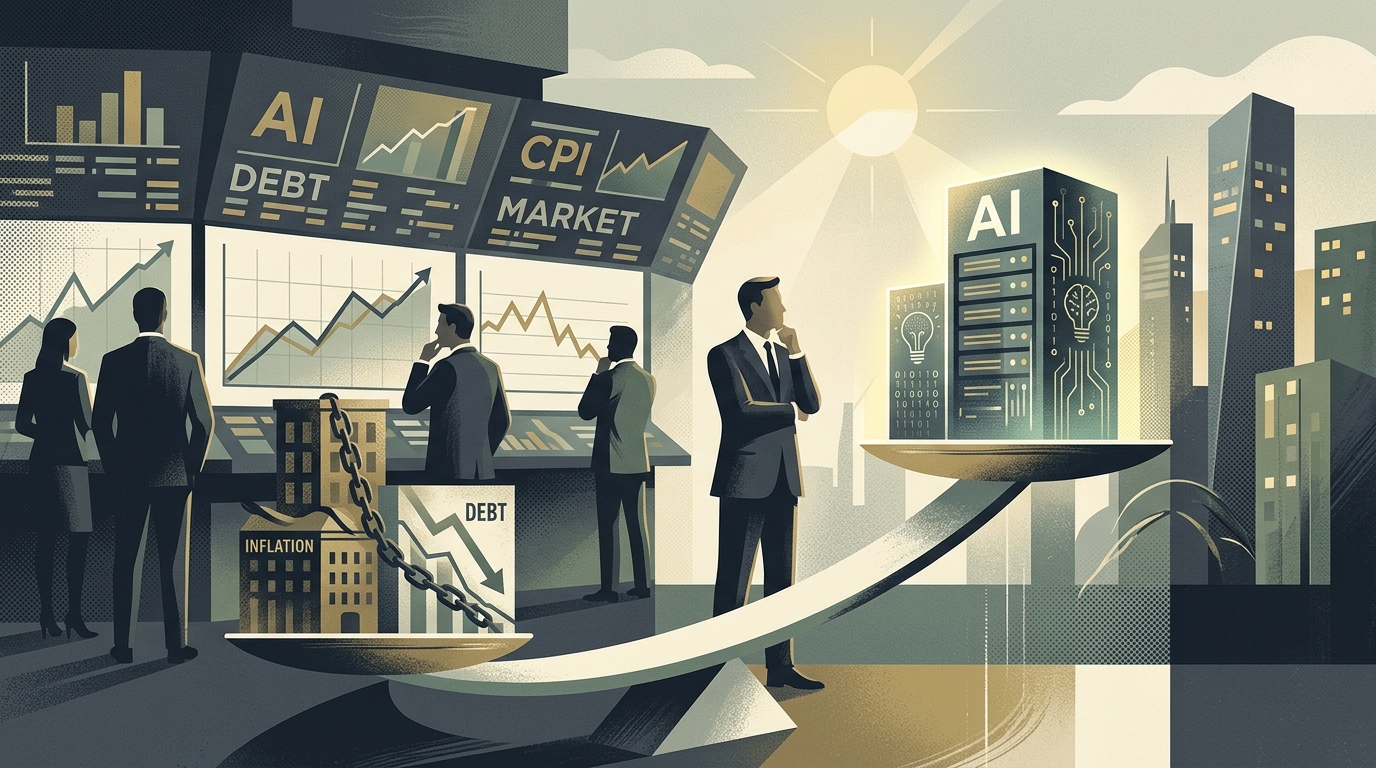
However, the picture is not rosy for everyone. Whitney focuses on the debt markets, where the distinction between the technological "haves" and "have-nots" is becoming increasingly stark. Highly leveraged companies that failed to modernize their operating models are facing a "maturity wall" of debt that is difficult to refinance under current market terms.
Whitney warns that traditional credit rating metrics may need revision. "Debt is no longer just a question of cash flows; it's a question of technological adaptability," she noted. Banks and institutional investors are becoming increasingly selective, prioritizing borrowers who can demonstrate that AI usage reduces their operational risk profile.
Inflation and the New Normal
Despite the optimism regarding productivity, Whitney does not overlook the threat of inflation. The increased demand for energy—essential for powering AI data centers—and geopolitical tensions are keeping prices at levels higher than central bank targets. Whitney argues that we are in a "new normal," where inflation will remain a structural element of the economy, but technological progress will be the only sustainable answer to maintaining living standards.
In her concluding remarks, Whitney emphasizes that the market is in a phase of "great clearing." AI is not just a sector of technology; it is the new operating system of capitalism. Those who understand this and adapt will thrive in the era of high interest rates. The rest will find themselves trapped in a legacy model that can no longer support the weight of its debt.
- AI serves as a recession buffer by increasing corporate profit margins.
- High interest rates persist, but technological efficiency mitigates the impact.
- Debt markets are becoming more selective, favoring tech-advanced firms.
- Inflation remains a challenge due to the massive energy needs of AI infrastructure.