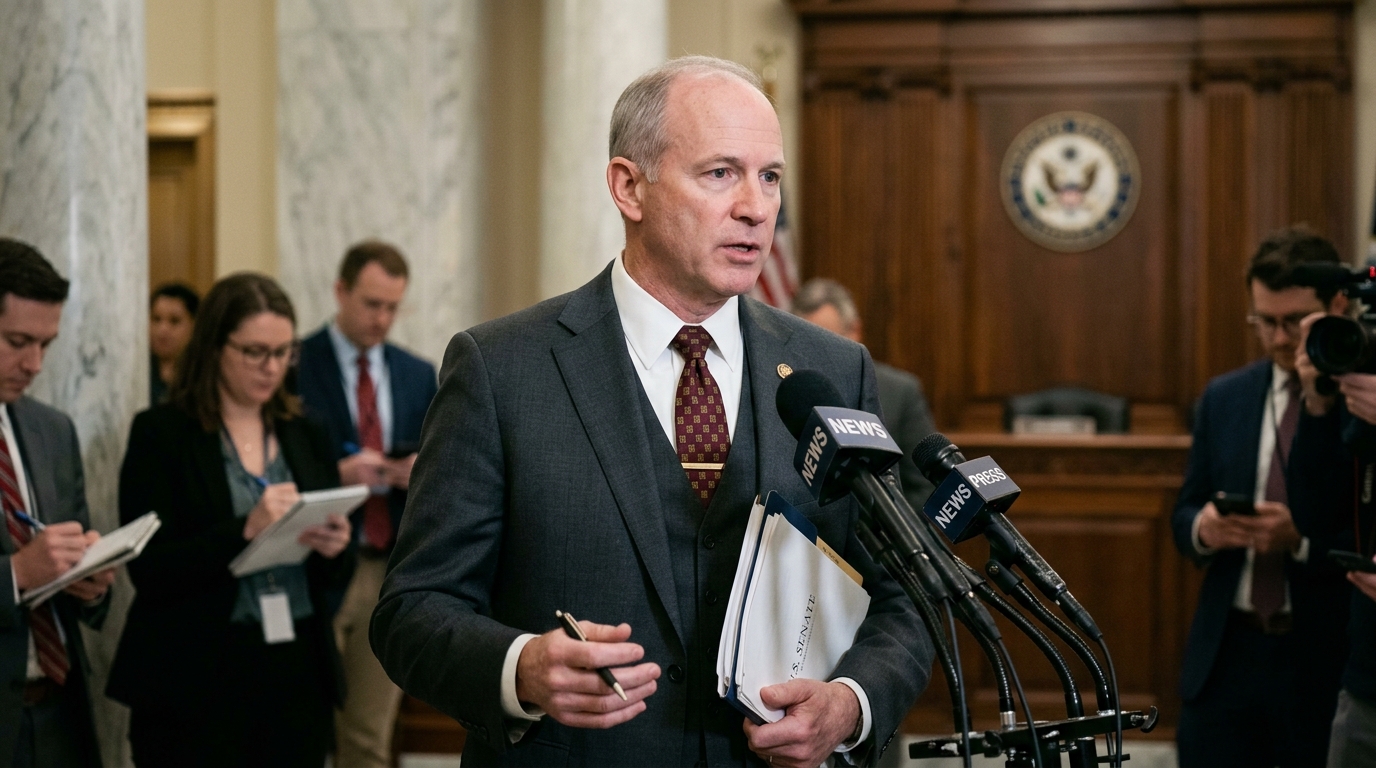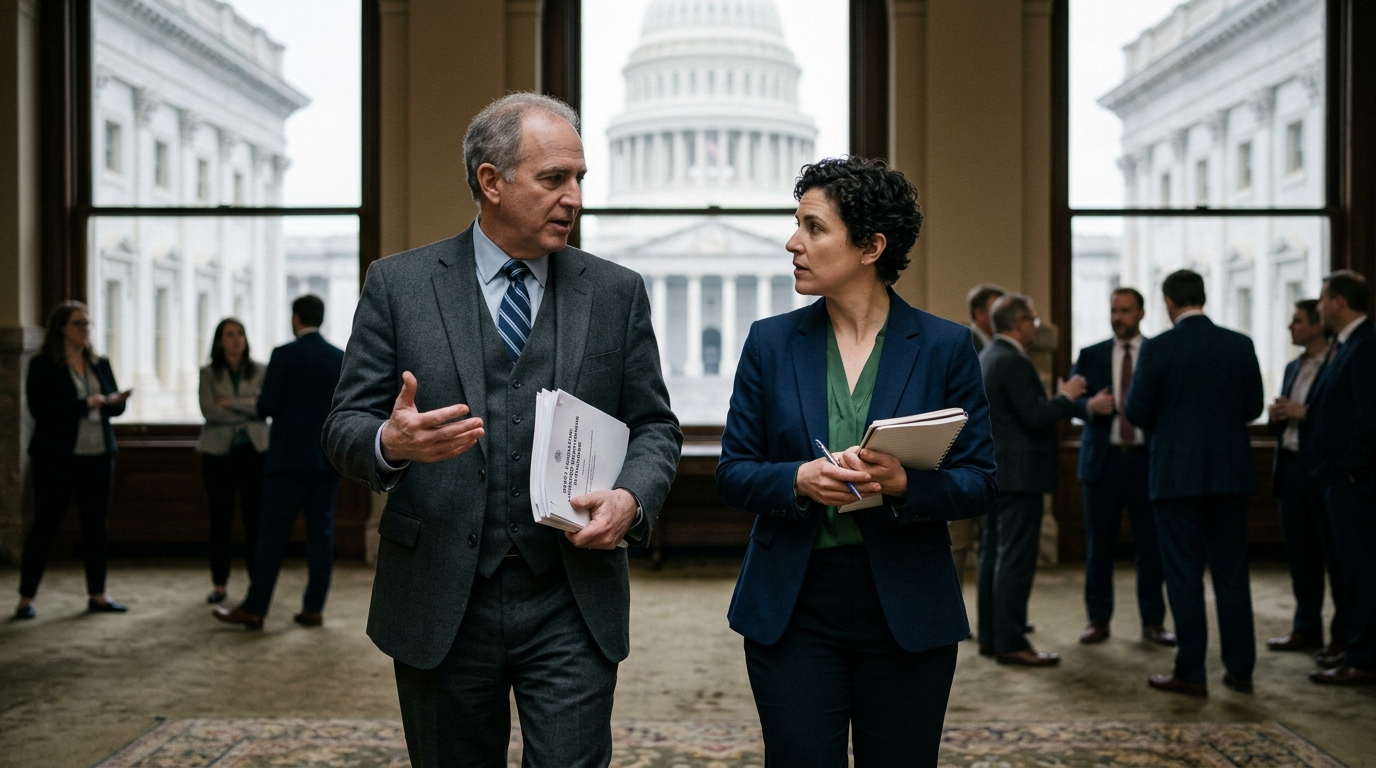
In the complex ecosystem of American healthcare, a quiet revolution is meeting a loud resistance. As health insurance giants increasingly deploy sophisticated Artificial Intelligence (AI) to process millions of claims, state legislators are beginning to erect regulatory barriers. The central concern has shifted from mere efficiency to the very survival of patients facing algorithms designed to maximize corporate margins through strategic denials.
The Era of the 'Algorithmic Adjudicator'
For decades, the approval of a medical procedure was the result of a dialogue between a treating physician and an insurance company’s medical reviewer. Today, this process has been automated to a staggering degree. Systems like nH Predict have become the focal point of high-stakes litigation, with allegations that they deny care for elderly patients at rates that make human oversight mathematically impossible. Reports currently under legislative review suggest some algorithms are tuned to terminate coverage once a patient hits a 'statistical ceiling' for recovery, regardless of their actual clinical condition.
The integration of AI in healthcare promises speed and consistency, but in practice, it has often manifested as a 'black box.' Physicians report that denials frequently arrive without substantive justification, forcing patients into a labyrinthine appeals process that can take months—time that many critically ill patients simply do not have. This 'denial-by-default' strategy is now under the microscope of state attorneys general and lawmakers alike.
Legislative Pushback: Mandating Human Judgment
Faced with growing public outcry and chilling anecdotes of denied life-saving treatments, states including California, Connecticut, and New York are introducing bills aimed at restoring human agency. The cornerstone of these regulations is the concept of 'meaningful human review.' Under these proposed laws, no denial of medical necessity can be based solely on an algorithmic recommendation. A qualified physician, with a specialty relevant to the patient’s condition, must sign off on the decision, assuming both legal and professional liability.
- Mandatory Disclosure: Insurers must explicitly inform policyholders when AI or automated decision systems are used to evaluate their claims.
- Algorithmic Audits: Regulatory bodies will gain the authority to inspect the code and training datasets of these algorithms to detect systemic biases against specific demographic groups.
- Prohibition of Quotas: New laws seek to ban the linking of employee bonuses or performance metrics to the volume of denials generated by AI systems.
As noted by the National Law Review, these initiatives represent more than just technical adjustments; they are a fundamental realignment of accountability. By mandating human sign-off, states are effectively stripping away the 'algorithmic shield' that companies use to deflect liability for controversial decisions.
The Conflict of Interest and the Future of Care
Insurers defend these tools as essential for managing the sheer volume of modern medical data and controlling costs—savings they claim are passed down to consumers. They argue that AI helps identify redundant tests and ensures that resources are allocated based on evidence-based protocols. However, critics argue that the 'rationality' of an insurance algorithm is inherently biased toward the company’s bottom line rather than the patient's wellbeing.
"We cannot allow a software script to practice medicine without a license," a California State Senator remarked during a recent hearing. "Technology must be a tool in the doctor's hand, not a replacement for their heart and mind."
This legislative movement in the U.S. is being closely watched by international regulators. While the EU AI Act provides a broad framework for 'high-risk' AI applications, the specific application to health insurance claims is a nuanced battlefield. The global trend toward healthcare digitization makes patients everywhere vulnerable to invisible, automated decisions. The American state-level response could serve as a blueprint for global standards.
In conclusion, the struggle currently unfolding in state capitals will define the future of the 'Algorithmic Patient.' If legislatures successfully impose rigorous oversight, they will establish a critical precedent: while technology can automate the administrative burden of healthcare, the value of a human life cannot be reduced to a line of code in an optimization script.