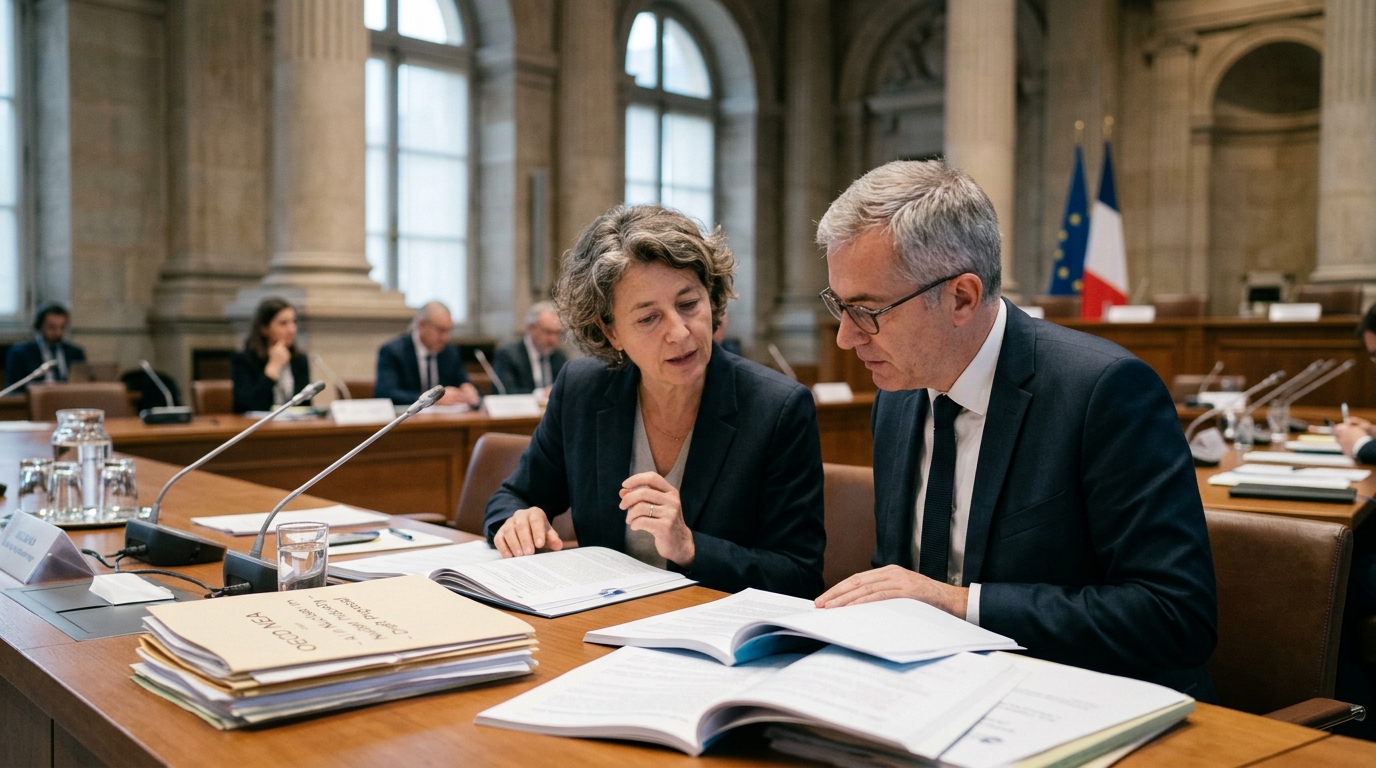
Nuclear energy, a sector traditionally defined by its conservatism and stringent regulatory protocols, is standing at a pivotal crossroads. The integration of Artificial Intelligence (AI) promises to transform everything from reactor design to waste management. In this context, the OECD Nuclear Energy Agency (NEA) is taking a leading role, launching projects aimed at proactive regulation and the safe adoption of these technologies.
The Challenge of Digital Convergence
For decades, the nuclear industry relied on analog systems and deterministic safety models. The introduction of AI, which is based on probabilistic models and often operates as a 'black box,' evokes both awe and skepticism. The NEA's project focuses on how regulators worldwide can trust algorithms to make decisions concerning nuclear safety.
The applications are manifold. Predictive maintenance can identify material fatigue before it becomes visible through traditional methods, drastically reducing plant downtime. Furthermore, optimizing the fuel cycle via AI can lead to significant resource savings and a reduction in the volume of radioactive waste.
Regulatory Innovation and International Cooperation
The NEA's endeavor is not just about technology, but primarily about governance. As noted in the agency's recent reports, the lack of unified standards is the greatest obstacle. 'Nuclear safety knows no borders' is the motto driving efforts to create a common framework for assessing AI reliability.
- Development of 'Digital Twins' to simulate extreme scenarios without risk.
- Establishing criteria for 'Explainable AI' (XAI), so operators understand the reasoning behind every system recommendation.
- Strengthening cybersecurity, as increased connectivity exposes infrastructure to new threats.
Collaboration among OECD member states is vital. Countries like France, the US, and South Korea, which possess advanced nuclear programs, are exchanging data and best practices under the NEA umbrella. This 'ecosystem of trust' is essential to convince societies that AI is not a risk, but a tool for enhancing their protection.
The Human Element and the Ethics of Automation
One of the most interesting aspects of the initiative is maintaining the 'Human-in-the-loop' principle. The NEA emphasizes that AI should not replace human judgment but augment it. In the nuclear industry, responsibility remains both individual and institutional. Ethical questions regarding the autonomy of systems during a crisis are at the heart of the discussions.
"Artificial Intelligence can process data at speeds humans cannot grasp, but the wisdom of the final decision remains a human prerogative and duty," note industry analysts.
In conclusion, the NEA's move to get ahead of the curve demonstrates a new maturity. Instead of waiting for technology to impose itself de facto, the nuclear community seeks to shape it according to its own unwavering safety values. The stakes are high: if successful, nuclear energy could become the cleanest, safest, and most efficient pillar of the global energy transition.