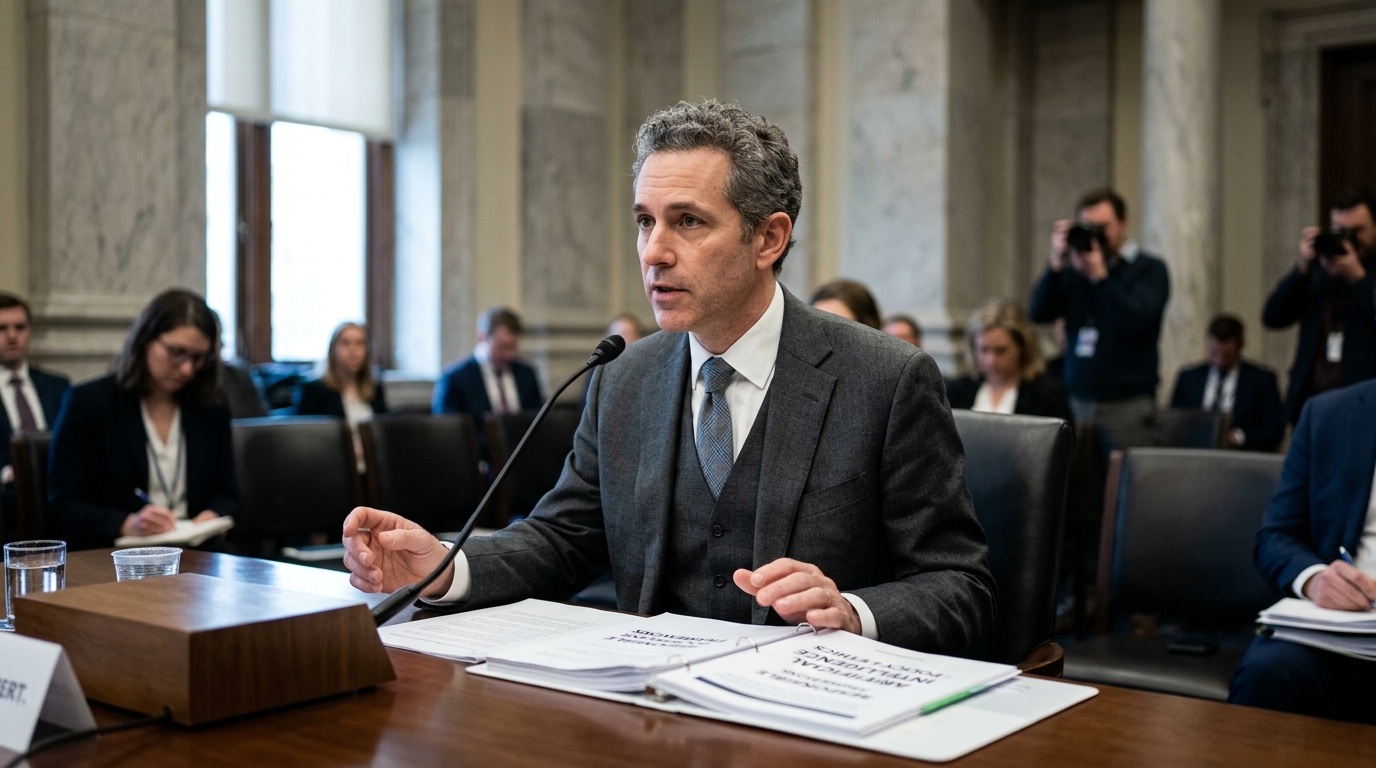
In a move that promises to redefine the landscape of AI corporate responsibility, the State of Florida has filed a first-of-its-kind lawsuit against OpenAI. Florida Attorney General Ashley Moody alleges that the creator of ChatGPT violated consumer protection laws by failing to implement adequate safeguards to protect minors from inappropriate, sexual, or dangerous content. This legal action is not merely a regional dispute; it represents the first major state-level effort to impose strict accountability on generative AI algorithms.
The Allegations: Beyond Safety Filters
Florida's lawsuit focuses on the ease with which users, including children, can bypass OpenAI's safety filters. According to the court filing, ChatGPT has been used to generate self-harm instructions, sexually explicit content, and other material deemed harmful to the mental health of young people. The state argues that OpenAI marketed its product as safe for educational use while knowing—or having reason to know—that its systems were prone to "hallucinations" and the production of toxic content.
The legal argument is anchored in the Florida Deceptive and Unfair Trade Practices Act (FDUTPA). Prosecutors claim that OpenAI concealed risks and failed to provide clear warnings to parents regarding the tool's capabilities. This approach mirrors recent legal battles against Meta and TikTok, but with a critical distinction: here, the content is not merely "hosted" but "generated" by the company's own technology.
A New Frontier for AI Liability
To date, tech companies in the U.S. have been largely protected by Section 230 of the Communications Decency Act, which shields them from liability for content posted by third parties on their platforms. However, the OpenAI case complicates this dynamic. Because ChatGPT generates its own responses, many legal analysts argue that Section 230 may not offer the same immunity. Florida's lawsuit targets this exact vulnerability, asserting that OpenAI is the "publisher" and "creator" of the harmful material.
This move reflects a growing distrust of Silicon Valley from conservative states, as well as a broader societal concern about the speed at which AI is integrated into children's daily lives without prior vetting. Florida is seeking not only monetary penalties but also permanent injunctions that would prevent minors from accessing specific model features without rigorous age verification.
Political and Social Implications
Ashley Moody's move is not without political symbolism. Florida has been at the forefront of legislation limiting the power of Big Tech, often in the name of "protecting children" or "fighting censorship." In the case of OpenAI, the conflict centers on whether a private company can release powerful tools into the market without bearing full legal responsibility for their outputs.
- Age Verification: The lawsuit may force OpenAI to implement biometric age verification for all users.
- Algorithmic Transparency: Discovery during the trial could reveal internal documents on how OpenAI trains its models for safety.
- Legal Precedent: If Florida prevails, a wave of similar lawsuits from other states is expected.
OpenAI, for its part, defends its practices, stating that safety is core to its mission. The company has introduced parental control tools and collaborates with experts to minimize risks. However, the criticism persists: are these measures enough when the very nature of Large Language Models (LLMs) is inherently unpredictable?
Conclusion: The Future of Innovation Under Judicial Scrutiny
The case of "Florida vs. OpenAI" will be a landmark for 2026 and beyond. It poses the fundamental question: How much responsibility does the creator of a tool bear when that tool acts in ways the creator cannot fully predict? While OpenAI pursues Artificial General Intelligence (AGI), the reality of Florida's courtrooms brings it back to the earthly obligations of consumer protection. The outcome of this battle will determine whether AI continues to develop in a "free market" regime or is forced into a strict regulatory framework, similar to that of pharmaceuticals or automobiles.