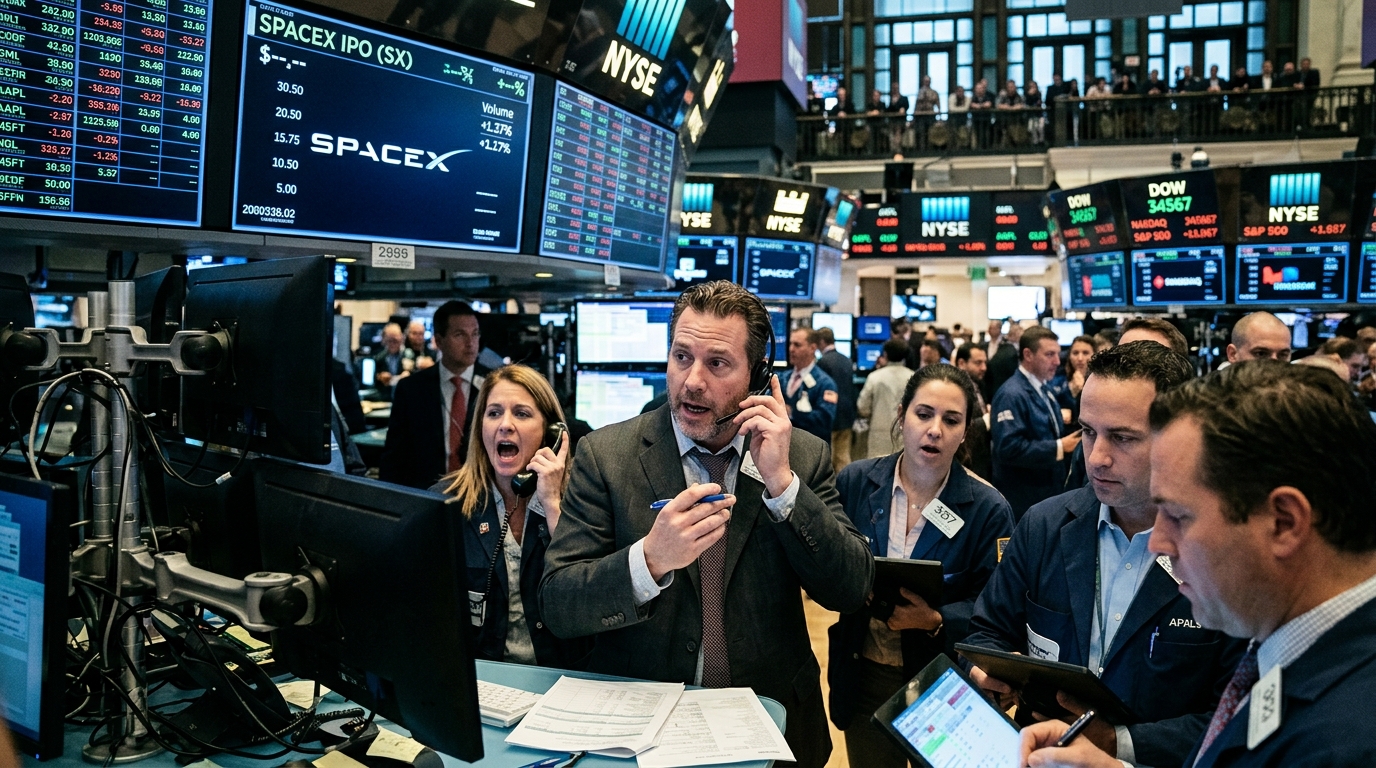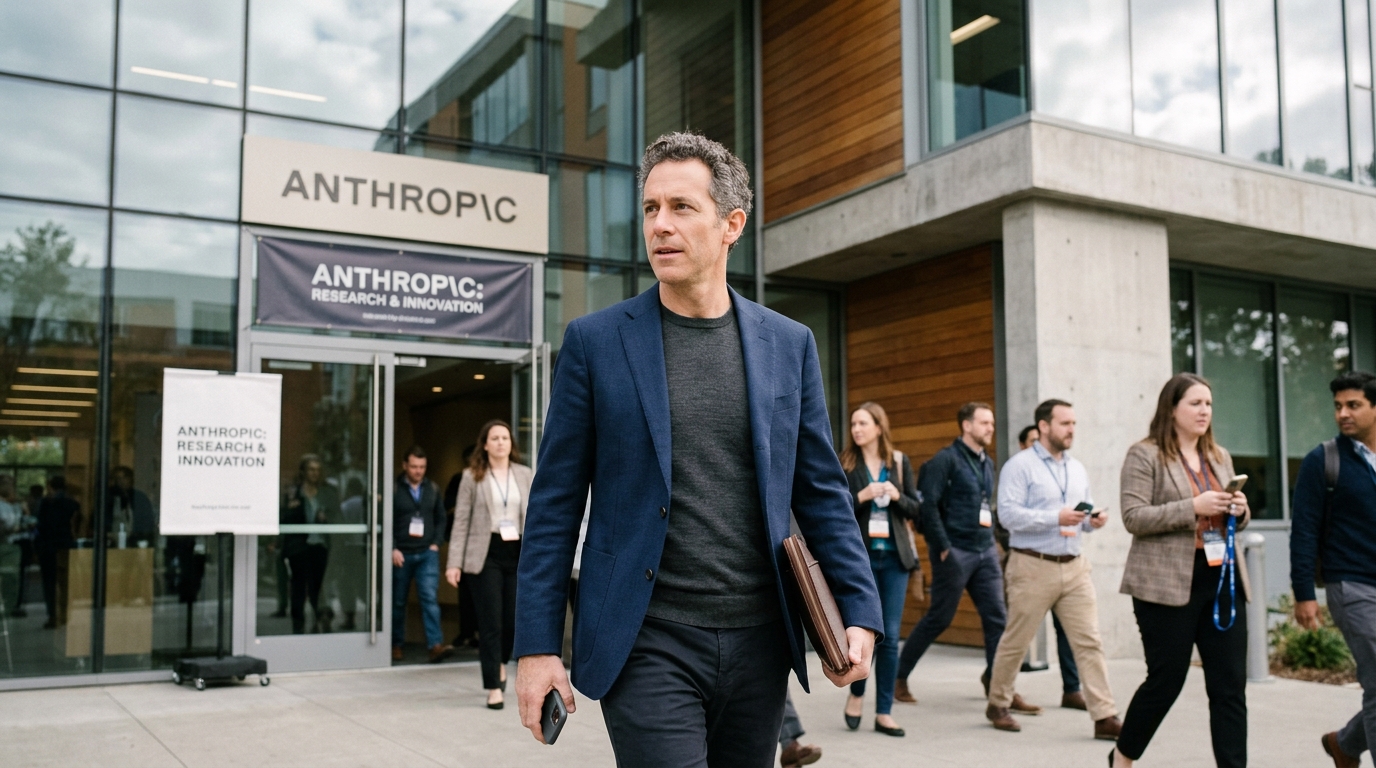
In a move poised to redefine the global technological landscape, Anthropic, the powerhouse behind the Claude AI models, has filed confidential paperwork with the U.S. Securities and Exchange Commission (SEC) for its initial public offering (IPO). The news, first brought to light by the Pittsburgh Post-Gazette, confirms months of speculation that the company is seeking to capitalize on the insatiable demand for generative AI at a time when investors are desperate for new blue-chip opportunities in the sector.
Founded by former OpenAI executives with a core focus on AI safety and ethics, Anthropic stands at a historic crossroads. The decision to go public is not merely a financial maneuver; it is a strategic declaration of intent to compete head-to-head with titans like Microsoft and Google while maintaining its unique identity as a Public Benefit Corporation (PBC).
The Strategy of Confidential Filing and Market Timing
Utilizing the confidential filing process allows Anthropic to keep its detailed financial metrics, growth rates, and burn patterns hidden from public view and competitors until just weeks before the actual listing. In a market where compute costs are skyrocketing and access to advanced semiconductors is the "new oil," Anthropic requires massive capital injections to sustain its model development roadmap.
- Access to lower-cost capital through public equity markets.
- Enhanced credibility with enterprise clients seeking long-term stability.
- The ability to use stock as currency for strategic acquisitions and talent retention.
The timing of this move, in mid-2026, suggests that the company believes it has achieved a level of revenue maturity capable of satisfying rigorous Wall Street analysis. With rumored annual recurring revenue (ARR) surpassing $2 billion, Anthropic is no longer just a research lab; it is a formidable commercial engine.
The Collision of Ethics and Profit: The Shareholder Challenge
The most profound question raised by this IPO is whether Anthropic can maintain its commitment to "Constitutional AI" under the relentless pressure of quarterly earnings reports. As a Public Benefit Corporation, the board is legally mandated to balance shareholder interests with societal well-being. However, Wall Street historically lacks patience for ethical guardrails that might impede rapid scaling or monetization.
"Anthropic is attempting to prove that AI safety isn't just a constraint, but a premium product that enterprises are willing to pay for," notes a senior market analyst.
The company’s intricate relationships with Amazon and Google, who have collectively invested billions, will also face intense scrutiny. A public listing provides these tech giants with a potential exit path or an opportunity to consolidate influence, a scenario that is likely to draw the attention of antitrust regulators in both the U.S. and the European Union.
The Future of the Industry and the OpenAI Shadow
Anthropic’s push toward Wall Street exerts significant pressure on OpenAI. While Sam Altman’s firm remains private, Anthropic’s public trading will provide a clear valuation benchmark for the entire industry. If the IPO is successful, it could trigger a wave of AI listings, from Perplexity to Mistral, as venture capitalists look to realize gains from the AI boom.
In conclusion, Wall Street is preparing for the most significant tech IPO in years. Its success will be measured not just by the first-day pop in share price, but by Anthropic’s ability to demonstrate that artificial intelligence can be simultaneously profitable, safe, and accountable to the public at large.