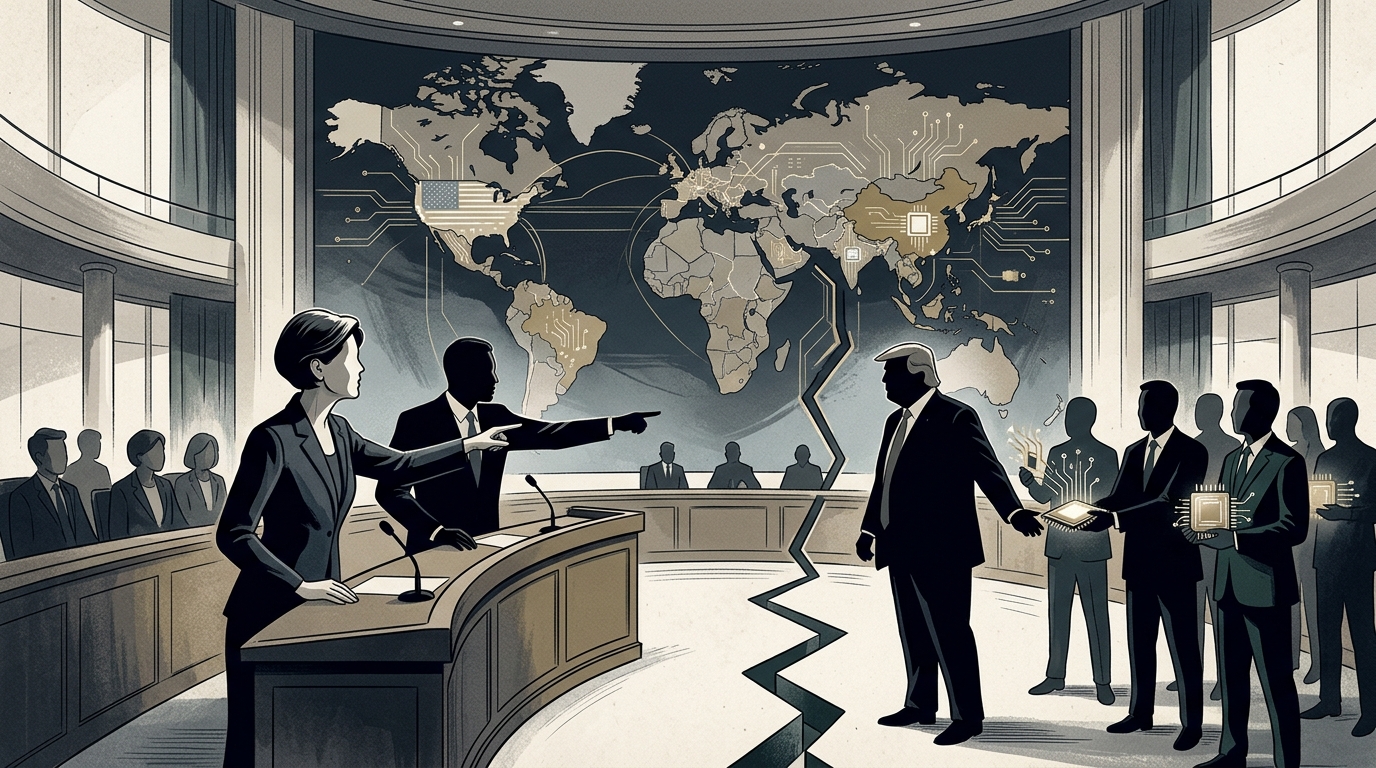
In the heart of a mounting geopolitical storm, Washington finds itself once again grappling with the thorny issue of technological supremacy. Senators Elizabeth Warren and Andy Kim have launched a scathing attack on the Trump administration, accusing it of catastrophic negligence regarding the export control of artificial intelligence semiconductors. According to their official letter, current policies allow Chinese firms to bypass U.S. sanctions by utilizing subsidiaries based in third countries, thereby gaining access to the technology that forms the backbone of future military and economic power.
The Overseas Subsidiary Loophole
The core of the complaint lies in how Chinese tech giants have adapted to the restrictive environment. While direct exports to mainland China are subject to rigorous oversight, the subsidiaries of these companies operating in Southeast Asia, the Middle East, and Europe appear to be moving in a "gray zone." Warren and Kim argue that the Trump administration has failed to close these backdoors, permitting advanced chips from Nvidia and other American firms to end up in hands that Washington itself deems a threat to national security.
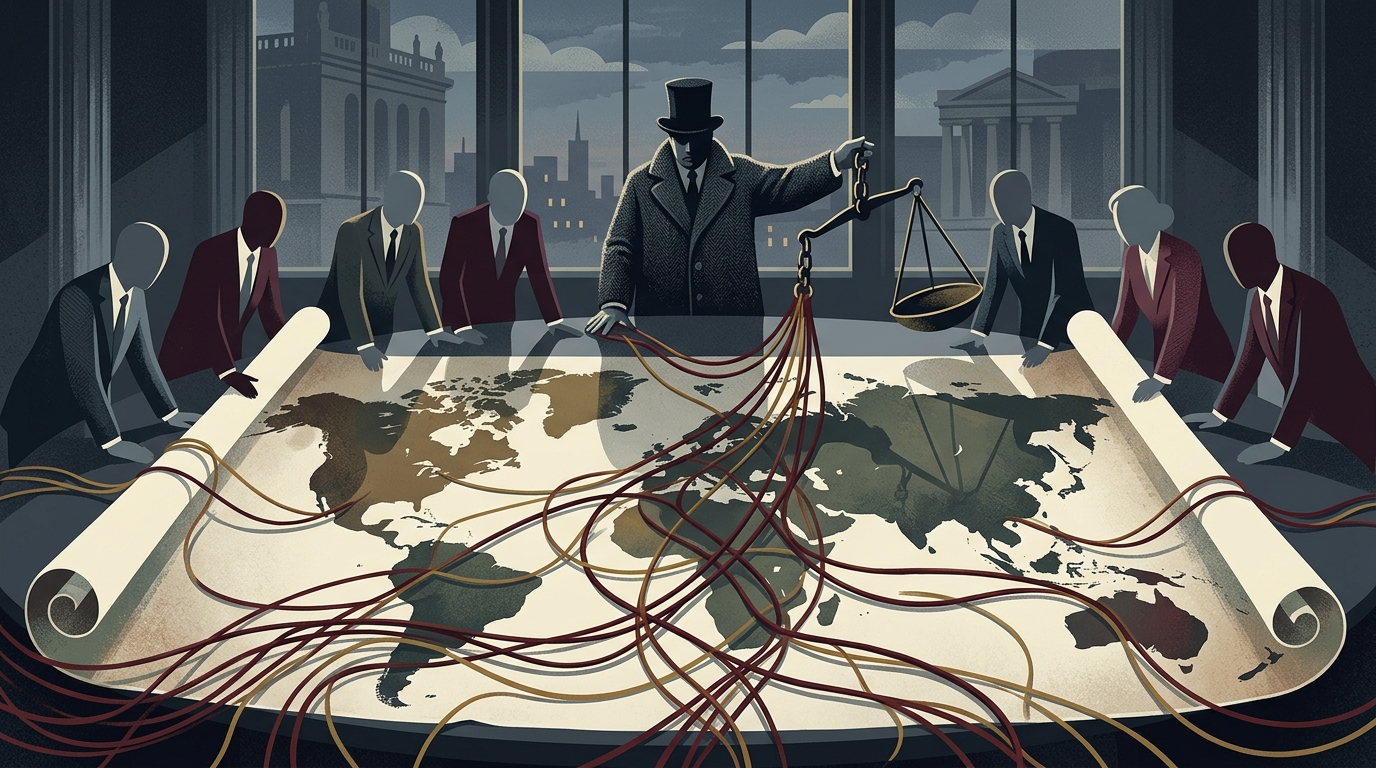
This situation creates a paradox: while the White House rhetoric focuses on "economic nationalism" and the protection of American interests, the reality shows a leak of technology that could accelerate China's military AI programs. Critics point out that the lack of stringent oversight in third-country supply chains renders existing restrictions almost decorative. The ability of a firm to purchase hardware through a Singaporean or Emirati unit and then funnel the computational power or the hardware itself back to Beijing is a gap that the Senators insist must be plugged immediately.
Political Hypocrisy and National Security
The intervention of the two senators is not merely technocratic but deeply political. Elizabeth Warren, known for her hardline stance on corporate power, and Andy Kim, with his background in foreign policy, are targeting the administration's credibility directly. They accuse Trump of prioritizing the short-term profits of American semiconductor companies over long-term national security. "You cannot claim to be tough on China while allowing our most sophisticated tools to be sold through the back doors of Chinese state-owned enterprises," the letter states emphatically.
For its part, the administration maintains that the controls currently in place are the strictest in history and that completely severing global supply chains would irreparably harm American innovation. However, intelligence reports cited by the senators paint a different picture: a steady stream of hardware being used to train AI models capable of being deployed in cyberattacks, surveillance systems, and autonomous weaponry. The debate highlights a fundamental tension between the libertarian impulses of some economic advisors and the hawkish requirements of the national security apparatus.
The Global Semiconductor Chessboard
The issue extends far beyond U.S. borders. Allies in Europe and Asia are watching these developments closely, as they are often pressured to align with American sanctions. If Washington cannot enforce its own rules on its own companies through their foreign subsidiaries, then the pressure on Tokyo or The Hague to limit exports from ASML or Tokyo Electron loses its moral and political standing. The global community is questioning whether the U.S. is serious about a unified front or if it is merely using security as a pretext for trade advantages.
- The urgent need for a unified End-User Verification system.
- Strengthening cooperation with authorities in countries hosting these subsidiaries.
- The imposition of secondary sanctions on entities facilitating technology transfers.
The battle for chips is the "Cold War" of the 21st century. As analysts point out, whoever controls computational power controls the future. The critique by Warren and Kim highlights the complexity of enforcing sanctions in a globalized world where capital and products can change identity with a simple accounting entry in a subsidiary in Singapore or Dubai. The Trump administration is now under pressure to prove that "America First" does not translate to "Profits Over Security." The outcome of this legislative push could redefine the boundaries of global tech trade for the next decade.