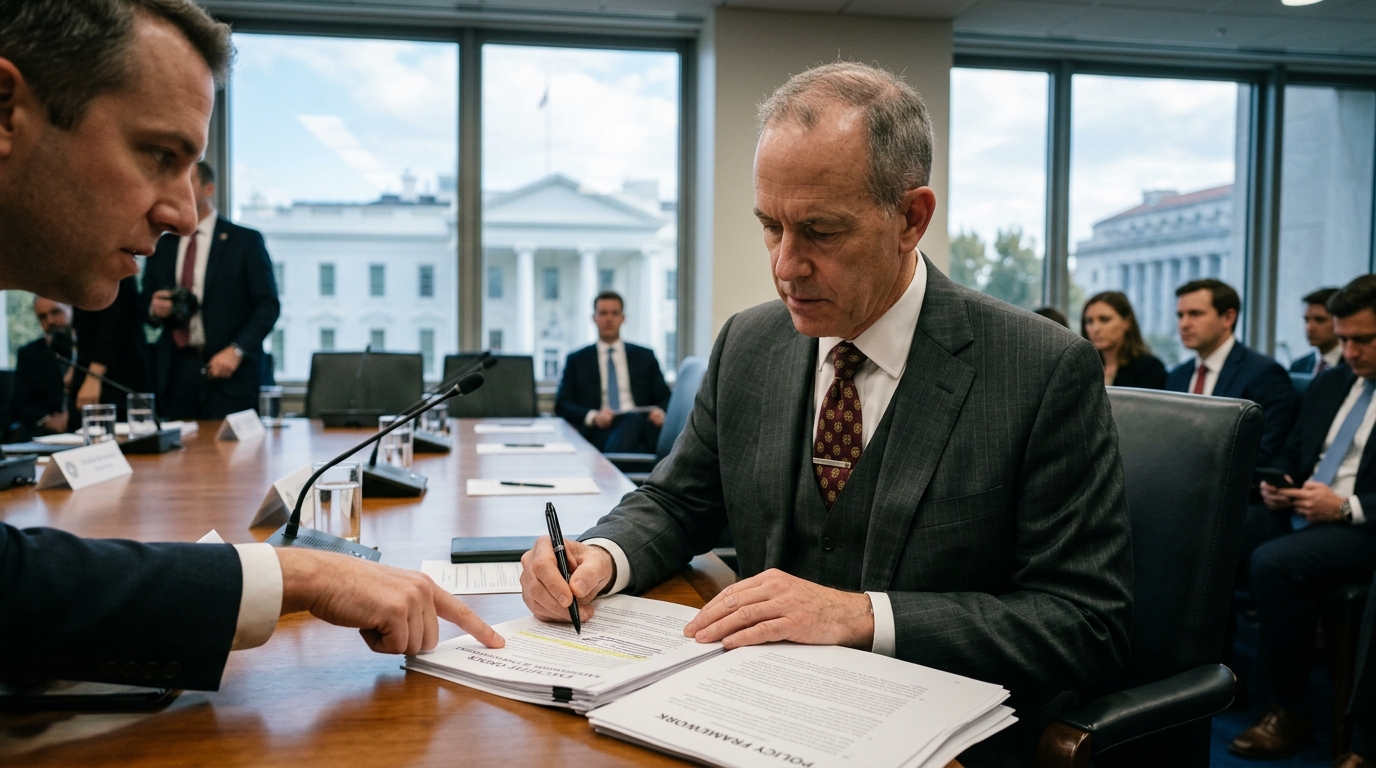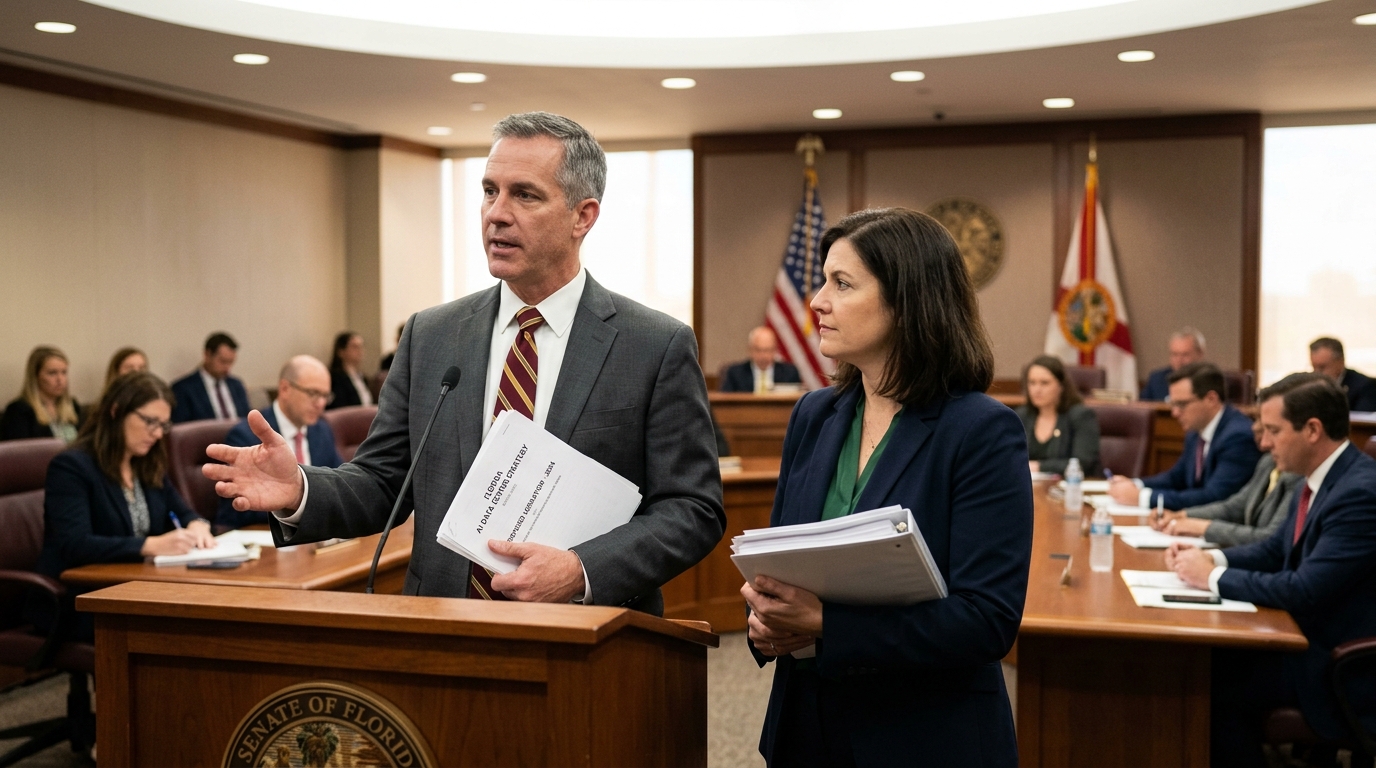
In an era where digital infrastructure is considered as vital as highways and power grids, the state of Florida has moved forward with the signing of landmark legislation aimed at regulating and bolstering Artificial Intelligence (AI) data centers. As the demand for computational power skyrockets due to the global race for AI supremacy, Florida seeks to position itself as a sanctuary for tech giants while ensuring its energy infrastructure does not buckle under the weight of these new demands.
The Energy Challenge and Grid Stability
The central issue addressed by the new law is the unprecedented energy consumption required by next-generation data centers. Unlike traditional data centers, facilities housing Graphics Processing Units (GPUs) for training large language models consume up to ten times more energy per square foot. Florida's legislation introduces stricter protocols for coordination between technology companies and public utility providers.
The law requires investors to submit long-term energy consumption plans before construction permits are approved. This is not merely a bureaucratic hurdle but a strategic move to avoid the blackouts that have plagued other states with high data center concentrations, such as Virginia. Florida, with its unique climate and the constant need for air conditioning, faces a double challenge: power supply and effective cooling.
Economic Incentives and Competition
Beyond restrictions, the law offers a suite of tax breaks and incentives designed to make the state attractive to companies like Microsoft, Google, and Meta. Florida is attempting to capitalize on the trend of businesses fleeing California and New York by offering a more friendly business environment. Tax exemptions on server equipment and electricity consumption for the first decades of operation serve as the 'bait' for multi-billion dollar investments.
However, critics of the bill point out that these incentives may burden ordinary taxpayers. There is a fear that while corporations enjoy cheap electricity, prices for households will rise due to the need for grid upgrades. The DeSantis administration argues that the creation of high-skilled jobs and the boost to local GDP will more than offset the infrastructure costs.
Environmental Footprint and Sustainability
Another critical aspect of the legislation is the management of water resources. Data centers require millions of gallons of water for their cooling systems. The new law sets strict limits on the use of potable water for industrial purposes, encouraging the use of reclaimed water or dry-cooling technologies. This provision is particularly significant for Florida, where the preservation of aquifers is a matter of survival.
"We are not just building warehouses for computers; we are building the engines of the future economy. But those engines must not run at the expense of our natural resources," stated a spokesperson for the Florida Department of Economic Opportunity.
Key Strategic Pillars
- Mandating the use of low-water consumption technologies.
- Prioritizing renewable energy sources for facility power.
- Mandatory recycling of electronic waste (e-waste) within the state.
Ultimately, Florida's move to legislate specifically for AI data centers shows that political leadership perceives AI not as a passing trend, but as the new heavy industry of the 21st century. The success of this venture will be judged by the state's ability to maintain the balance between technological leadership and social and environmental responsibility.