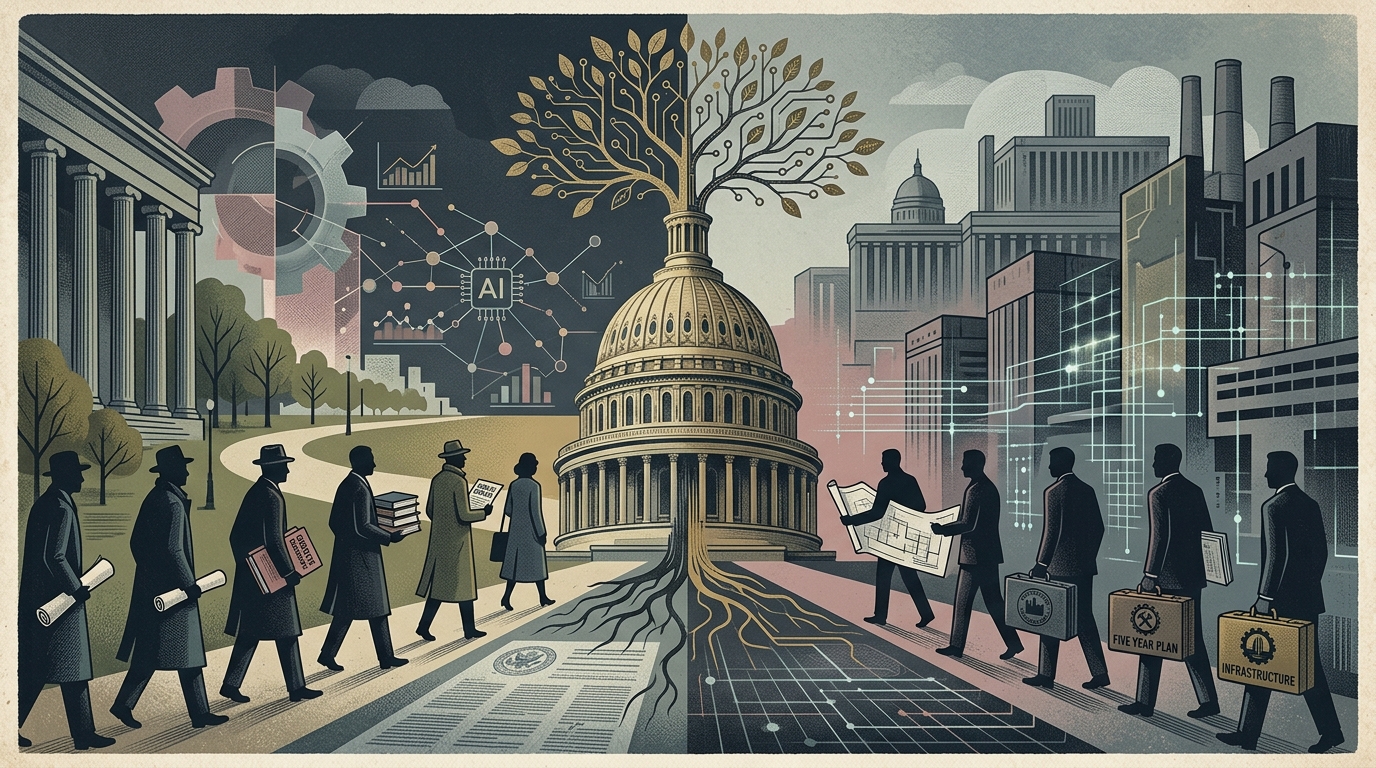
In the quiet corridors of the Colorado State Capitol, a seismic shift is occurring that could define the trajectory of artificial intelligence governance in the United States. As lawmakers attempt to bridge the gap between consumer protection and technological innovation, a pivotal compromise has emerged: the removal of the requirement for companies to explain exactly how their AI systems reach specific decisions.
The Retreat from the 'Black Box'
The original bill, SB24-205, aimed to be among the most comprehensive in the nation, specifically targeting algorithmic discrimination in high-stakes areas such as housing, employment, and banking. A cornerstone of this legislative effort was 'explainability'—the principle that if an algorithm denies you a loan or a job, the entity using it must be able to explain the 'why' in human-intelligible terms.
However, following intense lobbying from tech giants and industry trade groups, legislators have stripped this provision. The industry's argument was twofold: first, that disclosing the internal logic of proprietary models constitutes a violation of trade secrets and intellectual property. Second, that in the era of Large Language Models (LLMs), the very nature of the technology makes full explainability technically unfeasible, even for the developers themselves.
The Civil Rights Implications
Civil rights advocacy groups are sounding the alarm, warning that this compromise leaves citizens vulnerable. Without a mandate for explainability, proving discrimination becomes a near-impossible legal feat.
"If you don't know how a decision was made, how can you possibly challenge its fairness?"critics argue. The lack of transparency reinforces the 'black box' phenomenon, where biases embedded in training data remain hidden, perpetuating social inequities under the guise of mathematical objectivity.
In Colorado, proponents of the bill argue that the compromise was a political necessity to ensure any form of regulation passed at all. There was a palpable fear that an overly stringent bill would face a veto from Governor Jared Polis, who has maintained a tech-friendly stance. Consequently, lawmakers opted for a 'watered-down' bill over no bill at all, hoping that future sessions might close the transparency gap.
A National Trend and the Global Context
Colorado's retreat is not an isolated incident. It reflects a broader trend in the U.S. where, in the absence of federal oversight, states have become the primary battlegrounds between Silicon Valley interests and regulatory ambitions. While the European Union’s AI Act has established a much higher bar for transparency in high-risk systems, the U.S. appears to be leaning toward a model that prioritizes corporate autonomy and intellectual property protection.
- Intellectual property rights are being prioritized over user transparency.
- Regulators are struggling to keep pace with the velocity of AI evolution.
- The risk of a 'patchwork' of state laws creates compliance headaches for businesses.
As the bill nears finalization, the central question remains: Can we trust a technology that refuses to explain its logic? Colorado’s decision suggests that, for now, the political answer is 'yes,' provided that innovation remains unencumbered. However, history suggests that when technology outpaces ethics, the societal cost is often paid in arrears, with significant interest.