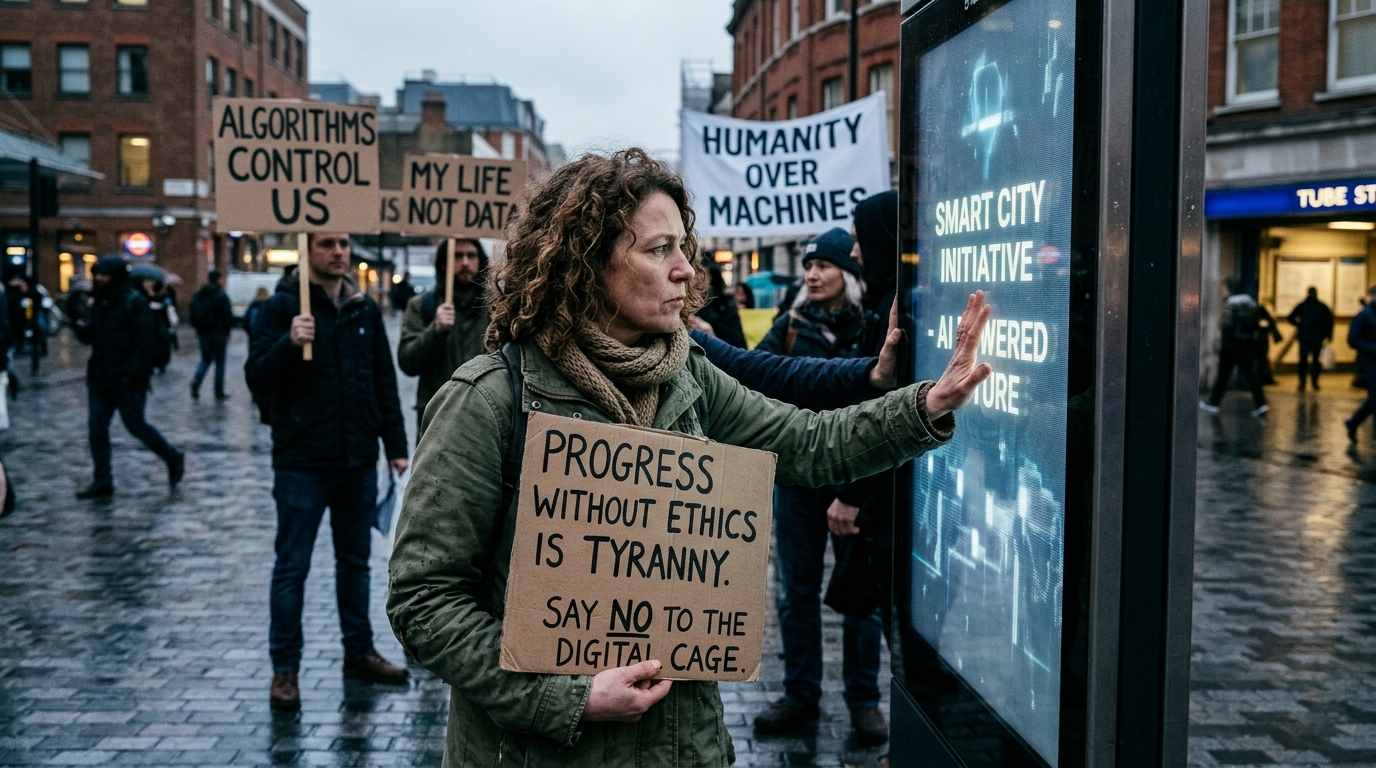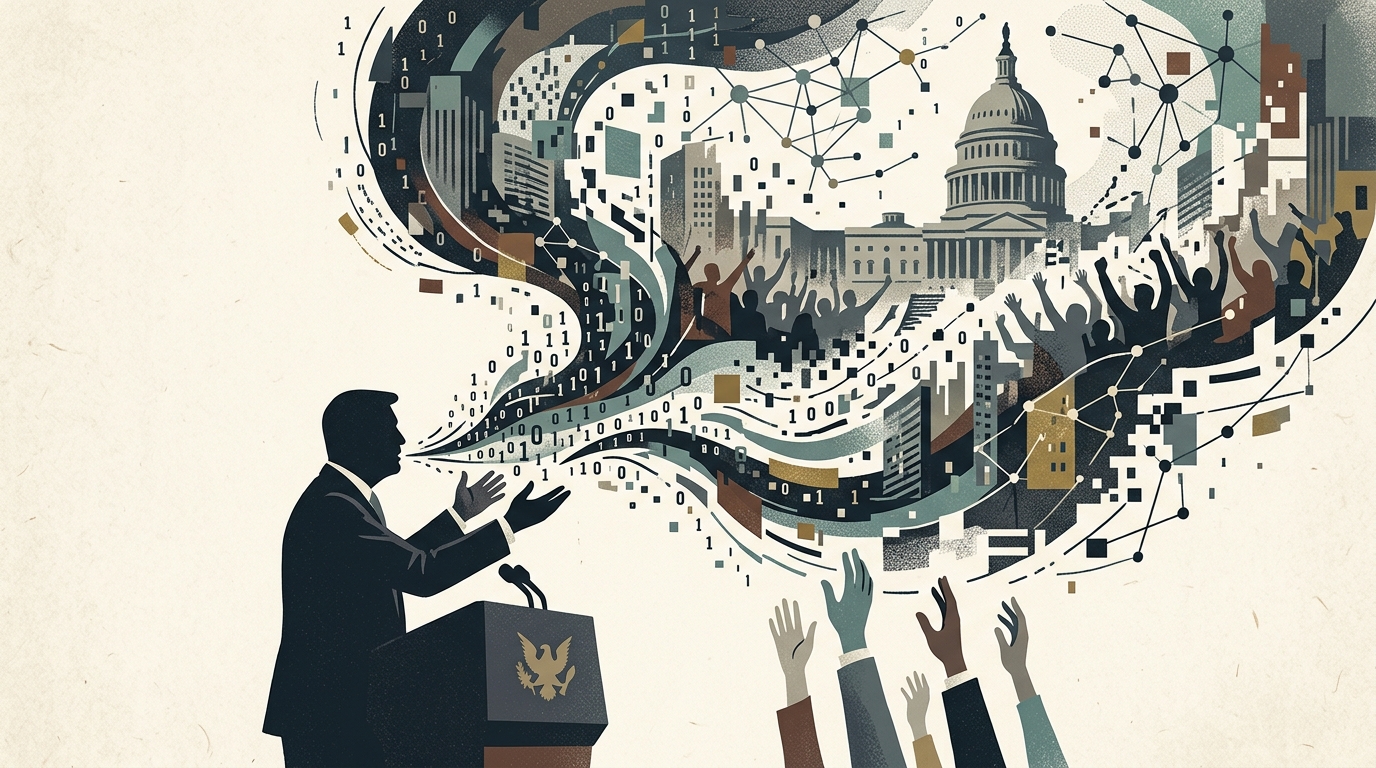
It is May 2026, and the promise of an "open and free internet" now feels like a distant, romantic memory. The rapid expansion of Generative Artificial Intelligence (AI) models has transformed the World Wide Web into a vast field for data mining. From personal social media posts to specialized scientific articles and artworks, no digital footprint is considered "safe" from the voracious appetite of Large Language Models (LLMs). A recent analysis by Eurasia Review highlights a harsh truth: privacy and intellectual property are under siege by a technology that recognizes neither borders nor rights.
The Digital Enclosure of the Commons
The process we are witnessing is reminiscent of the historical "enclosures" of land in 18th-century England, where common lands were converted into private property. Today, tech giants are "enclosing" collective human knowledge and creativity. Web crawlers no longer merely seek information to index it, but to "digest" and reproduce it in the form of synthetic content. This creates a paradox: content creators are unwittingly funding the very mechanism that threatens to render them obsolete.
The ethical dimension is profound. When an artist uploads their work to the internet, there is a tacit social contract that the work is intended for human consumption and appreciation. AI violates this contract, treating art as mere statistical patterns. The loss of control over our digital footprint is not just an economic issue, but also a matter of identity and autonomy.
Legal Gaps and the Failure of Protection
Despite the efforts of regulatory bodies, such as the European Union with the AI Act, technology is moving at speeds that the law struggles to follow. "Opt-out" systems, where a creator must explicitly state they do not wish their content to be used, are proving inadequate. Firstly, because scraping has often already occurred before the creator can react, and secondly, because proving that a model was "trained" on specific data is technically extremely difficult.
- The difficulty of tracing sources in AI-generated outputs.
- The use of "shadow" datasets collected from pirated websites.
- The legal gray zone of "fair use" in the United States.
Furthermore, the emergence of "data poisoning" techniques, such as Nightshade, which aim to ruin AI models that attempt to scrape images without permission, represents a form of digital guerrilla warfare. However, these solutions are temporary and often lead to an arms race between creators and AI developers.
The Geopolitics of Information and the Future
The debate over digital content security is not limited to copyright. It has serious geopolitical implications. The dominance of American and Chinese companies in training AI models means that the cultural heritage and current information production of smaller nations and linguistic groups are being absorbed and reframed by foreign interests. What we call "digital sovereignty" is at risk of turning into a new type of informational colonialism.
"They are not just stealing our data; they are stealing our ability to define what is real and what is ours," notes an analyst from Eurasia Review.
In conclusion, the realization that no digital content is safe must serve as the catalyst for a radical rethinking of our relationship with technology. We need new licensing models, stronger cryptographic protection of intellectual property, and, above all, a global consensus on the limits of algorithmic processing of human expression. The stake is not just the protection of a photo or a text, but the preservation of the value of human creativity in a world overwhelmed by synthetic imitations.