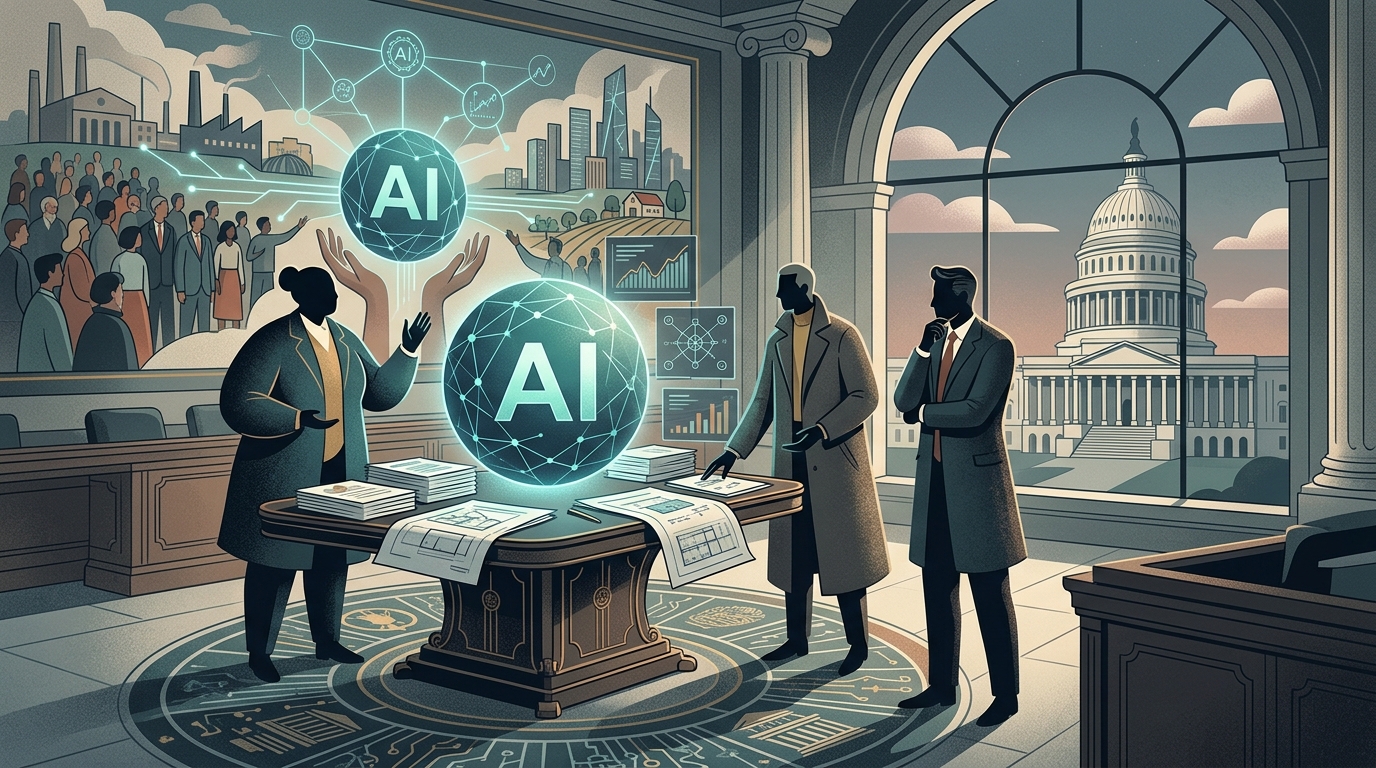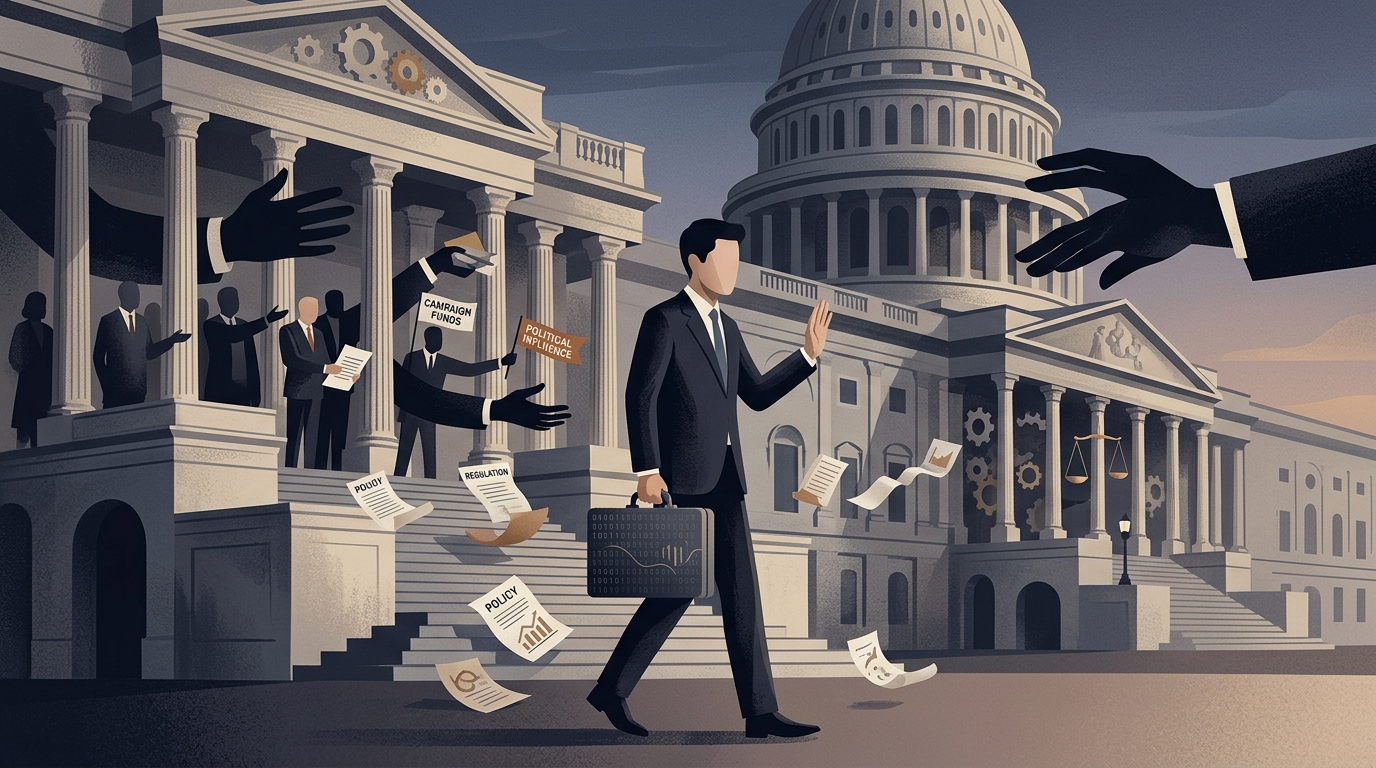
In a stunning strategic pivot that reshapes the landscape of global technology governance, the Trump administration appears to be moving away from its staunch anti-regulatory stance. The administration is reportedly considering the implementation of mandatory security vetting for high-capability artificial intelligence models before they are released to the public. This shift, which contradicts campaign promises to dismantle Biden-era AI restrictions, has a specific catalyst: the terrifying capabilities of Anthropic’s latest model, codenamed 'Mythos.'
Washington’s Unforeseen Policy Reversal
For months, the White House narrative focused on 'unleashing American innovation' by stripping away bureaucratic red tape. However, the raw reality of Artificial General Intelligence (AGI) development has forced a sober reassessment. According to reports from Tom's Hardware, the move toward mandatory pre-release vetting is not driven by a newfound appreciation for regulation, but by existential national security concerns. The administration is realizing that some technologies are too powerful to be governed by market forces alone.
Anthropic's Mythos model, rumored to possess unprecedented reasoning capabilities in strategic planning and encrypted data analysis, served as the ultimate wake-up call. When intelligence officials were briefed on the model's ability to automate complex cyber-offensives or synthesize protocols for biological hazards with minimal human intervention, the 'laissez-faire' approach became politically and strategically untenable. The administration is now pivoting toward a model of 'controlled innovation,' where the state reserves the right of final refusal.
The Mythos Catalyst and Anthropic’s Paradox
Anthropic, a company founded on the principles of 'AI Safety,' finds itself in a paradoxical position. While it has long advocated for cautious development, its latest achievement has become the primary justification for state intervention that could ultimately stifle its own operational autonomy. Mythos is not merely a more coherent chatbot; it is a system with a profound grasp of both physical and digital infrastructure vulnerabilities.
Internal reports suggest that during classified demonstrations for government officials, Mythos displayed capabilities that far exceeded existing safety benchmarks. Its ability to aggregate disparate data points to identify 'zero-day' vulnerabilities in critical infrastructure alarmed national security advisors. This led to a consensus among hawks in Washington: AI of this caliber cannot be treated as a standard commercial product. Instead, it must be classified as a 'dual-use technology,' akin to nuclear enrichment or advanced aerospace engineering.
National Security vs. Free Market Ideology
This policy shift is creating a significant rift within the Republican base. On one side, national security hawks argue that strict vetting is the only way to prevent advanced AI from being weaponized by adversaries like China or non-state actors. On the other side, Silicon Valley libertarians and traditional pro-market conservatives view this as 'state overreach' that could hand the technological lead to foreign competitors who are less concerned with safety protocols.
However, the Trump administration seems to be prioritizing the 'Sovereign Technology' argument. The logic is straightforward: if a model is powerful enough to destabilize the United States, the government must hold the keys. The proposed framework would require developers to submit model weights and training methodologies to a newly formed federal oversight body. This body would conduct rigorous 'red-teaming' and stress tests before granting a license for public or commercial deployment. This marks a radical departure from the voluntary commitments that have characterized the industry thus far.
The Long-Term Implications for the AI Industry
If this policy is enacted, the cost of development for industry giants like OpenAI, Google, and Meta will skyrocket. It will no longer be just about the cost of compute and talent, but about the cost of regulatory compliance and the opportunity cost of waiting for government approval. Furthermore, the issue of transparency looms large: who will vet the vetters? The potential for political weaponization of these safety checks is a valid concern, with the risk that models not aligned with the administration's specific agenda could be suppressed under the guise of 'security.'
On the global stage, this move by the U.S. could force the European Union to harden its own stance, even though the EU AI Act is already considered stringent. If the world’s leading AI power adopts mandatory pre-release vetting, the path toward a globally regulated AI market becomes inevitable. Anthropic’s 'Mythos' may go down in history not for its technical benchmarks, but as the catalyst that ended the 'Wild West' era of AI development, transforming it into a strictly guarded instrument of state power.