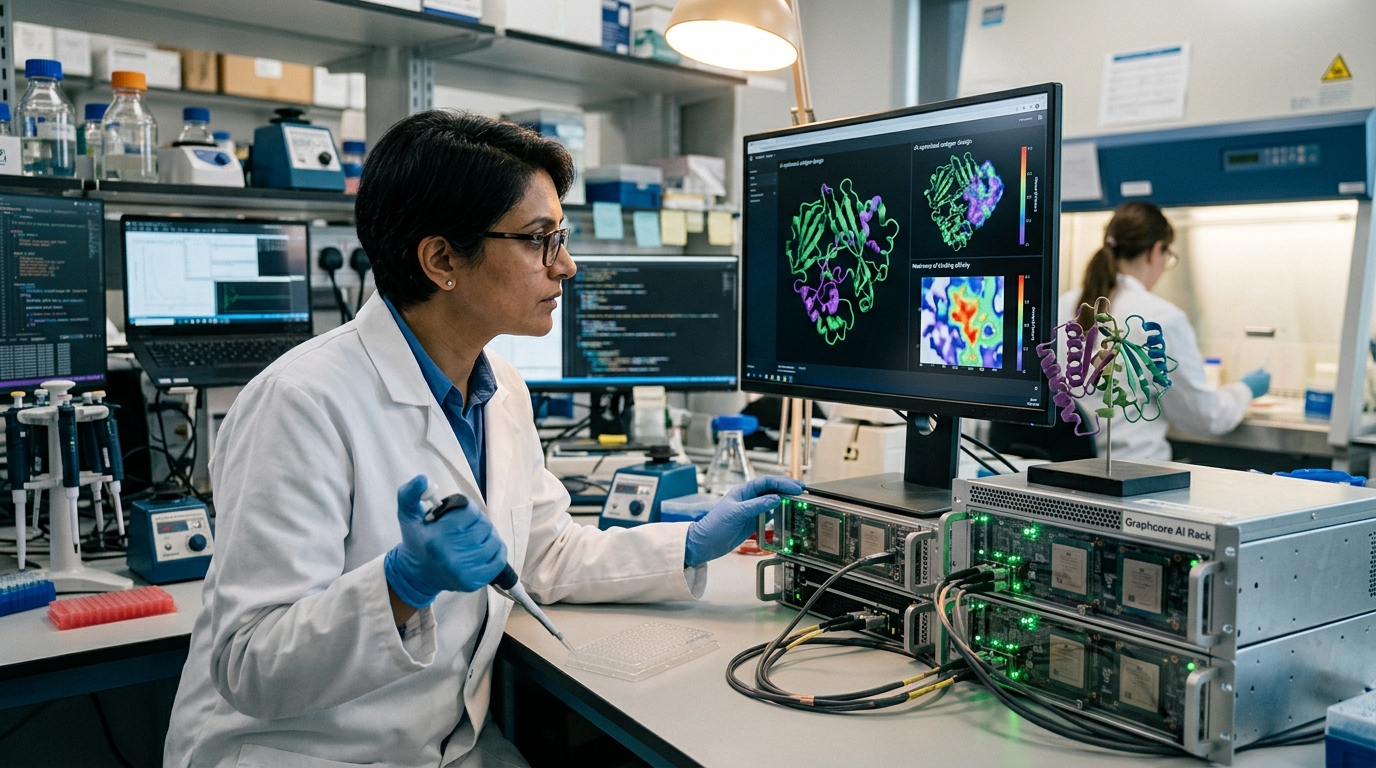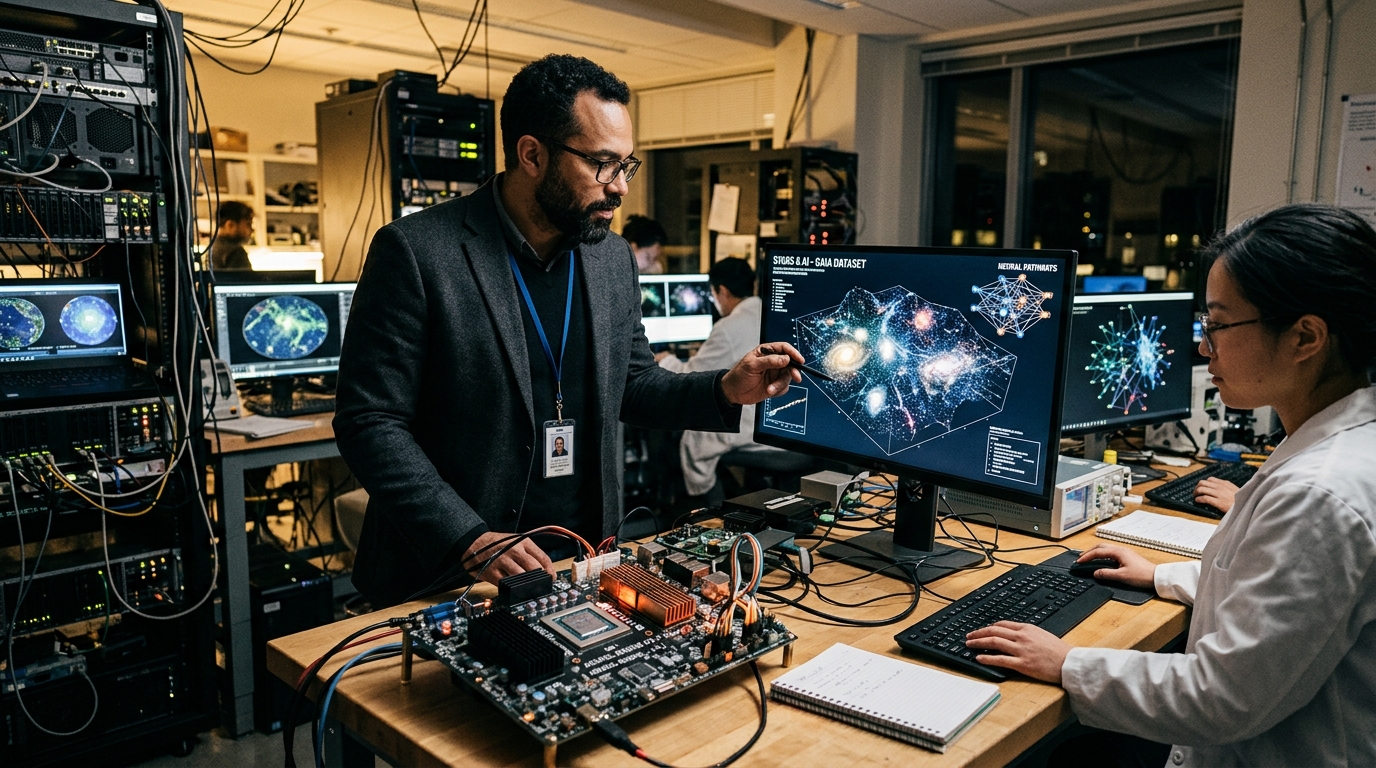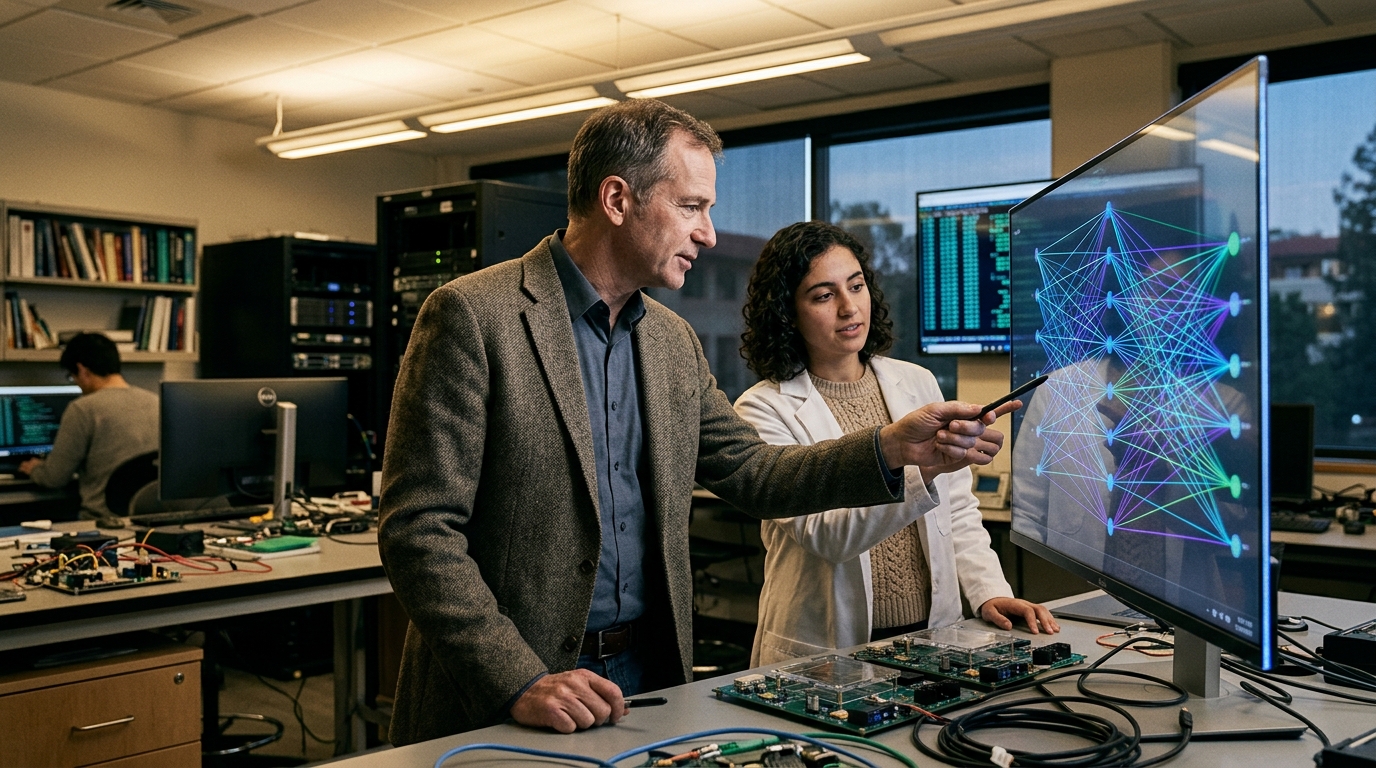
Stanford University, the intellectual cradle of Silicon Valley, has announced a sweeping restructuring of its research landscape. By establishing a new, unified institute to house both Artificial Intelligence (AI) and Data Science (DS), the institution aims to dissolve the traditional academic silos that often stifle breakthrough innovation. This decision is far more than an administrative reshuffle; it is a profound recognition that the future of technological advancement requires a holistic approach where data analysis and algorithmic intelligence function as an indivisible whole.
The End of Academic Silos
For decades, Computer Science and Statistics—the twin pillars of today’s technological revolution—have largely operated as distinct entities. AI focused on the development of intelligent agents and predictive systems, while Data Science concentrated on extracting meaningful insights from vast, often messy, datasets. However, the meteoric rise of Generative AI and Large Language Models (LLMs) has demonstrated that the quality, provenance, and structure of data are just as critical as the architecture of the neural networks themselves.
Stanford’s new institute is designed to bridge this gap. According to the university’s official report, the consolidation will enable researchers from diverse fields—ranging from medicine and law to sociology and mechanical engineering—to access shared resources, computational power, and cross-disciplinary expertise. This is particularly vital in an era where AI is tasked with solving "wicked problems" such as climate change mitigation and personalized oncology, which demand a deep understanding of both raw data signals and complex predictive modeling.
Ethics and Societal Responsibility at the Core
One of the most significant aspects of this merger is the intensified focus on the ethical dimensions of technology. Stanford has already been a pioneer through its Institute for Human-Centered AI (HAI), and the new structure is expected to bolster this mission. Integrating AI and Data Science allows researchers to scrutinize algorithmic bias from the very moment of data collection through to the final deployment phase.
"We can no longer afford to view technology in isolation from its social context. This merger allows us to build systems that are not only powerful but inherently fair, transparent, and accountable," the university report emphasizes.
This move also sends a potent signal to the tech industry. While corporate giants like Google, Meta, and Microsoft often prioritize speed and commercial scale, Stanford is doubling down on research integrity and long-term societal impact. This shift could cultivate a new generation of scientists who are not merely proficient coders but critical thinkers capable of navigating the nuances of statistical validity and algorithmic governance.
Educational Reform and the Future of Work
Beyond the laboratories, the merger will catalyze significant changes in the university’s curricula. Stanford students will now engage with programs that blend these two disciplines organically. This paves the way for the emergence of a new professional archetype: the "AI-Data Scientist," an individual equally comfortable with probability theory and deep learning architectures.
- Development of joint research initiatives focusing on global health and environmental sustainability.
- Creation of new degree programs that synthesize AI engineering with advanced statistical analysis.
- Strengthening partnerships with the public sector to inform data-driven policymaking.
In a world increasingly saturated with information, the ability to distinguish signal from noise is the ultimate form of power. Stanford, through this historic consolidation, is positioning itself at the vanguard of this effort, ensuring that technological progress is underpinned by rigorous scientific methodology and a commitment to the public good. As other elite institutions watch closely, the "Stanford Model" may soon become the global standard for the 21st-century research university.