In an era where technological progress moves at speeds that often outpace the ability of legislative bodies to keep up, the state of Alabama is emerging as an unexpected pioneer in the debate over Artificial Intelligence (AI) governance. Daniel Urquhart, the state's Secretary of Information Technology and lead AI strategist, recently outlined a framework for a new approach: technological "guardrails" should not be permanent barriers, but dynamic mechanisms that evolve alongside algorithmic capabilities.
The Philosophy of Continuous Adaptation
Urquhart’s core thesis, as analyzed via StateScoop, is based on the premise that AI is not a static tool, like word processing software, but an ecosystem that mutates daily. "If we set rules today and leave them untouched for the next two years, we will end up either stifling innovation or leaving our citizens exposed to risks we hadn't even imagined," he notes. This approach requires a shift from the traditional bureaucratic mindset toward a model of "agile governance."
In practice, this means Alabama is not seeking to create an exhaustive list of prohibitions. Instead, it is establishing a risk assessment framework that is reviewed at regular intervals. This model allows state agencies to experiment with Generative AI in controlled environments (sandboxes), adjusting restrictions as new knowledge about data security and output accuracy is acquired.
The Balancing Act
The challenge for any public administration is twofold: on one hand, there is the promise of massive efficiency gains—from automating document processing to personalized citizen services—and on the other, the fear of bias, misinformation, and privacy violations. Urquhart argues that dynamic guardrails allow the state to "fail fast and safe," learning from mistakes on a small scale before the broad deployment of any technology.
"AI governance is not a destination, but a journey. We must be ready to turn the wheel as soon as the road changes shape," the state's technology leadership characteristically states.
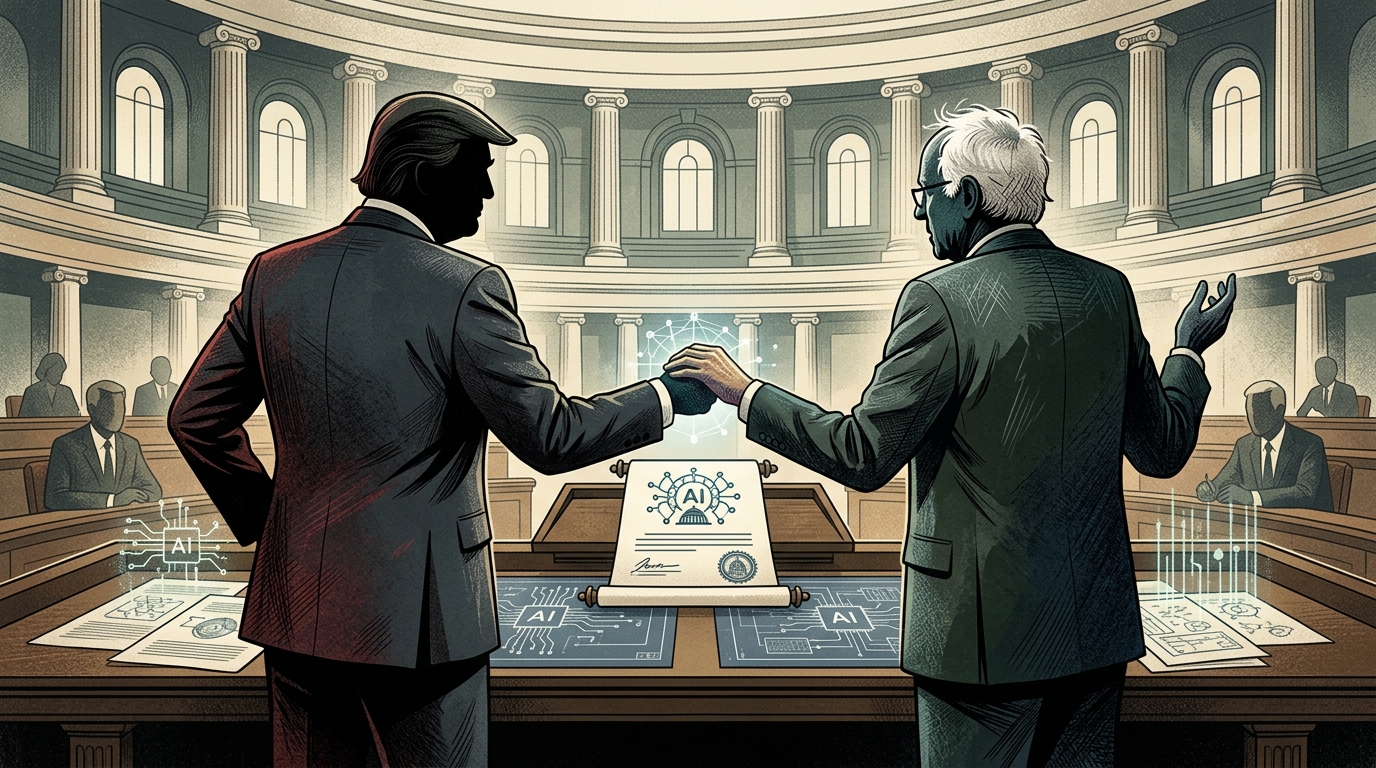
This stance reflects a broader trend in the United States, where states are taking on the role of "laboratories of democracy," experimenting with legislation that may later serve as models for federal action. While the Biden administration has issued executive orders on AI safety, implementation at the local level remains the key to the citizen's daily contact with the state.
Education and Transparency
A critical pillar of Alabama's strategy is workforce education. Dynamic guardrails aren't just about algorithms; they’re about the people who operate them. The state is investing in training programs that teach employees not only how to use AI, but how to recognize when a system deviates from ethical standards.
Furthermore, transparency is an integral part of this evolution. Alabama aims to create a public registry of AI systems used by the state, explaining to citizens what data is being used and the purpose of each application. In this way, the "dynamic" nature of the rules does not translate into ambiguity, but into a continuous commitment to accountability.
Conclusions for the Future
Alabama's approach poses a critical question for the future of digital policy: Can the law remain relevant in a world changing at exponential rates? The answer Daniel Urquhart provides is a resounding "yes," provided that legislation stops being treated as a static text and begins to function as living software. As we move through 2026, the success of this model will determine whether public administration can lead the digital revolution or whether it will remain a mere observer, vainly trying to control the forces of the future with tools of the past.