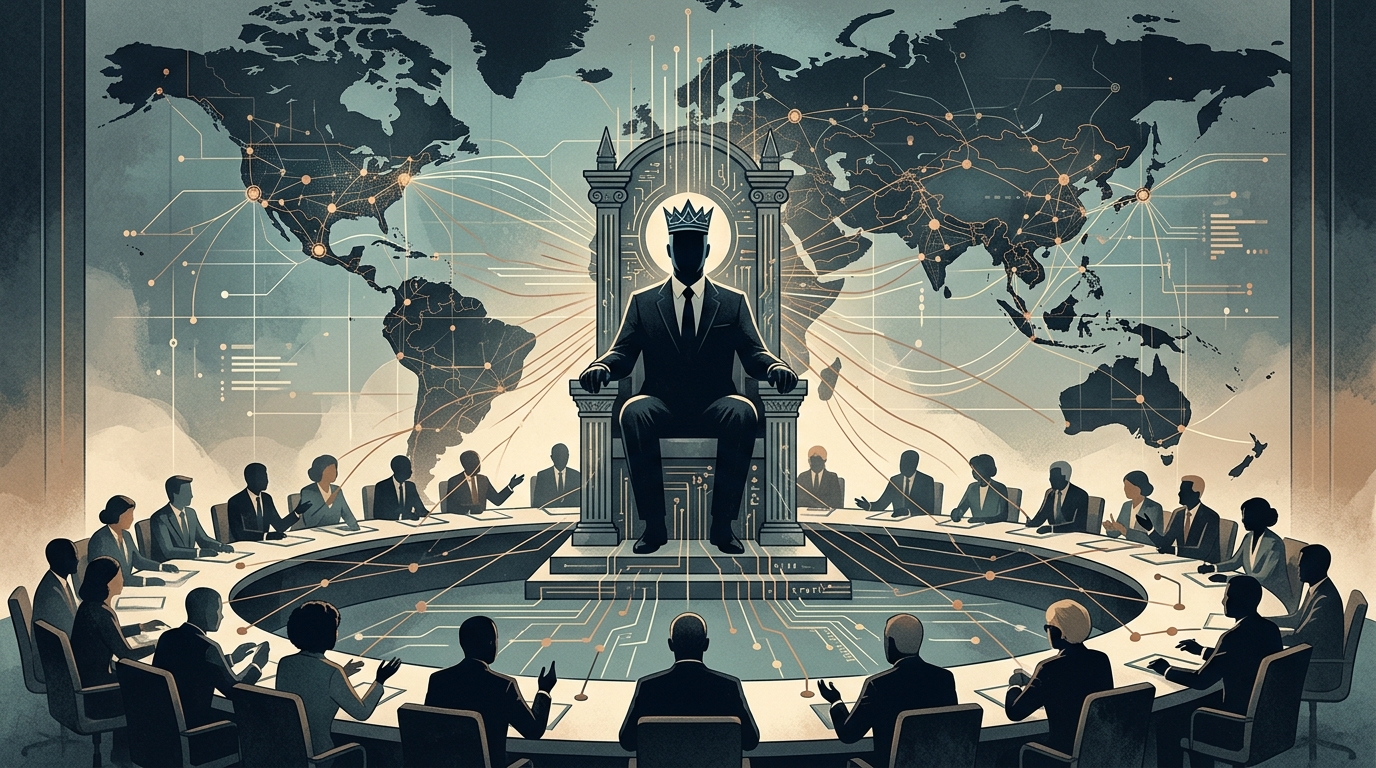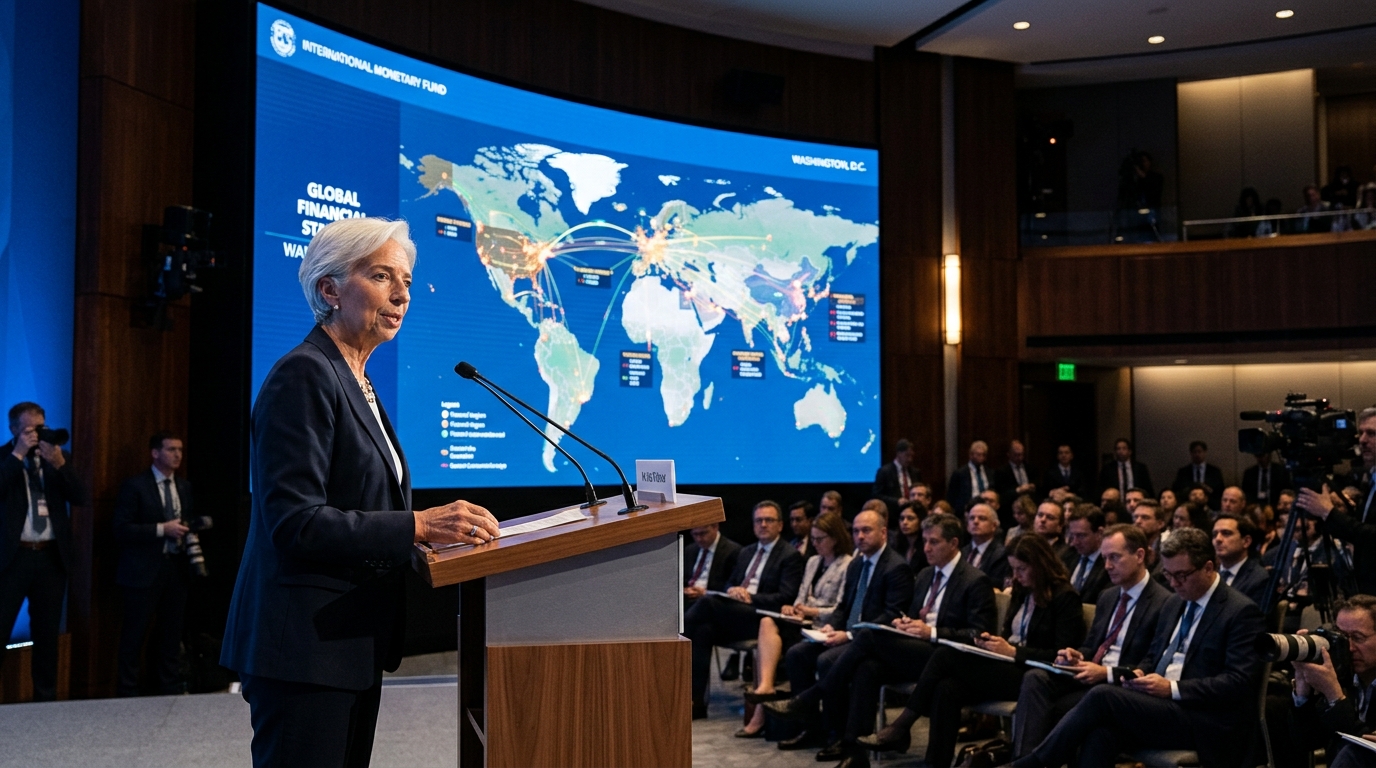
The recent report from the International Monetary Fund (IMF) is far more than a technical analysis; it is a klaxon of concern regarding the velocity at which Artificial Intelligence (AI) is reshaping the threat landscape within the financial sector. As we navigate 2026, the convergence of geopolitical instability and technological dominance is creating a volatile cocktail that, according to the IMF, could precipitate a "systemic crisis of confidence."
The Automation of Malice: How AI Rewrites the Rules
Historically, cyberattacks were labor-intensive, requiring significant time, specialized personnel, and substantial resources. Today, Generative AI enables malicious actors—ranging from lone-wolf hackers to state-sponsored entities—to automate the creation of hyper-persuasive phishing campaigns, discover vulnerabilities in banking code within seconds, and generate deepfakes capable of bypassing sophisticated biometric authentication.
The IMF highlights that the asymmetry between attacker and defender is widening. While financial institutions utilize AI to detect fraud, adversaries are employing it to "train" malware to remain undetectable.
"The speed at which AI can execute attacks exceeds the traditional response capabilities of financial institutions,"the report notes, emphasizing that a coordinated strike on a systemically important financial institution could trigger a domino effect across the global economy.
Systemic Risk and the "Herd Behavior" Phenomenon
Beyond direct cyberattacks, the IMF is profoundly concerned with the structural integrity of the markets themselves. The increasing reliance on a narrow set of AI algorithms for trading decisions can lead to "herd behavior." If multiple models, trained on similar datasets, react simultaneously to a negative market signal, liquidity could evaporate in milliseconds, causing "flash crashes" that central banks would be powerless to mitigate in real-time.
Furthermore, there is the issue of concentration risk. Most global banks rely on a handful of cloud providers and AI model developers (such as Microsoft, Google, or OpenAI). This concentration creates a "single point of failure." A breach or technical failure in the infrastructure of one of these providers would not merely disable a single bank, but potentially the entire global financial lattice.
The Geopolitical Chessboard and Regulatory Lag
The IMF underscores that AI is not just a technological tool but a geopolitical weapon. In an increasingly fragmented world, using AI to destabilize a rival’s economy is an attractive, low-cost option. The absence of a unified international framework for AI governance in finance leaves gaping holes that attackers are eager to exploit.
Developing economies are particularly vulnerable. While major Western banks invest billions in "AI-defense," smaller nations remain exposed, creating weak links in the global chain. The IMF is calling for a "Global Cyber-Resilience Architecture," which would include real-time intelligence sharing and standardized resilience protocols across borders.
Conclusion: Fortifying the Future
The IMF’s warning should not be interpreted as a call to retreat to analog methods, but as an urgent demand for vigilance. Financial stability in the 21st century depends on our ability to govern the technology we have unleashed. AI can be a bank's greatest ally, but in the wrong hands, it is the ultimate weapon of economic mass destruction. The time for international cooperation is not tomorrow; it is now.