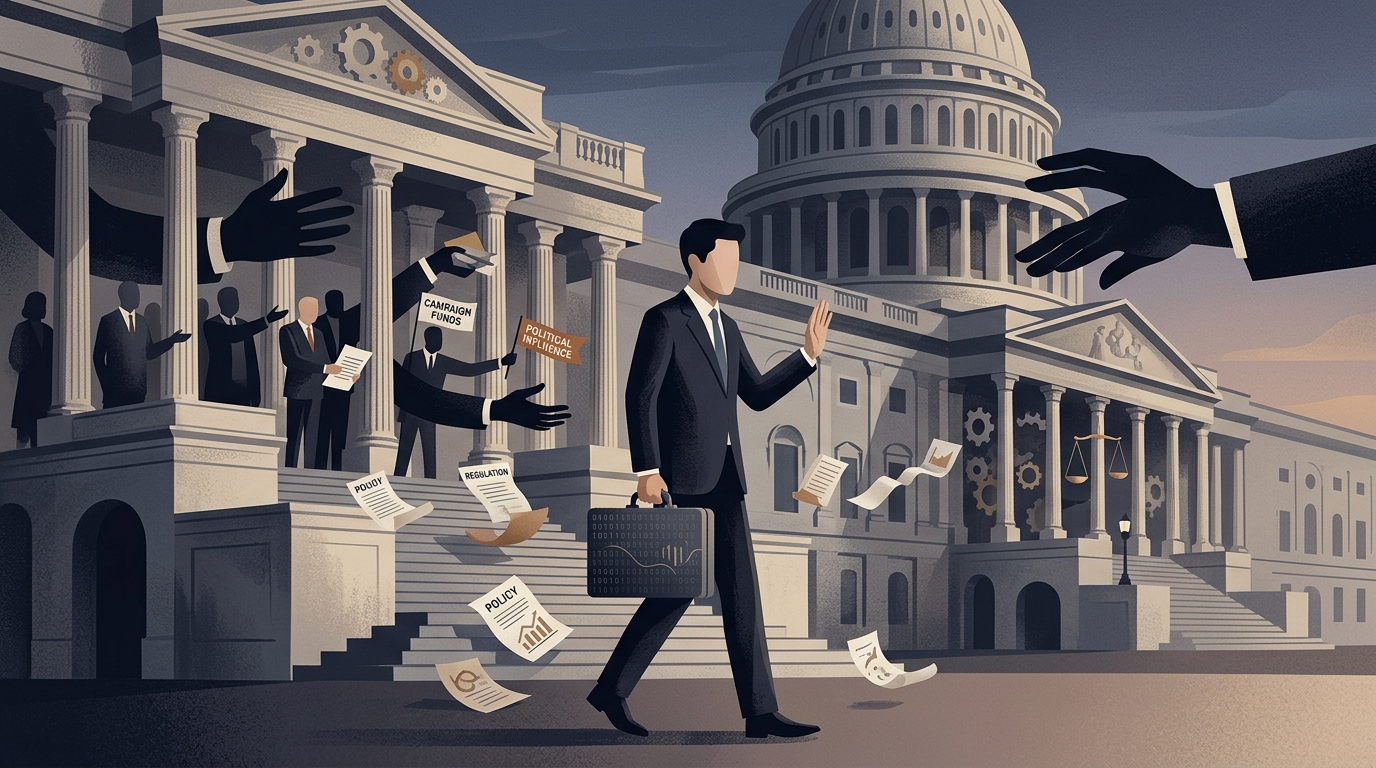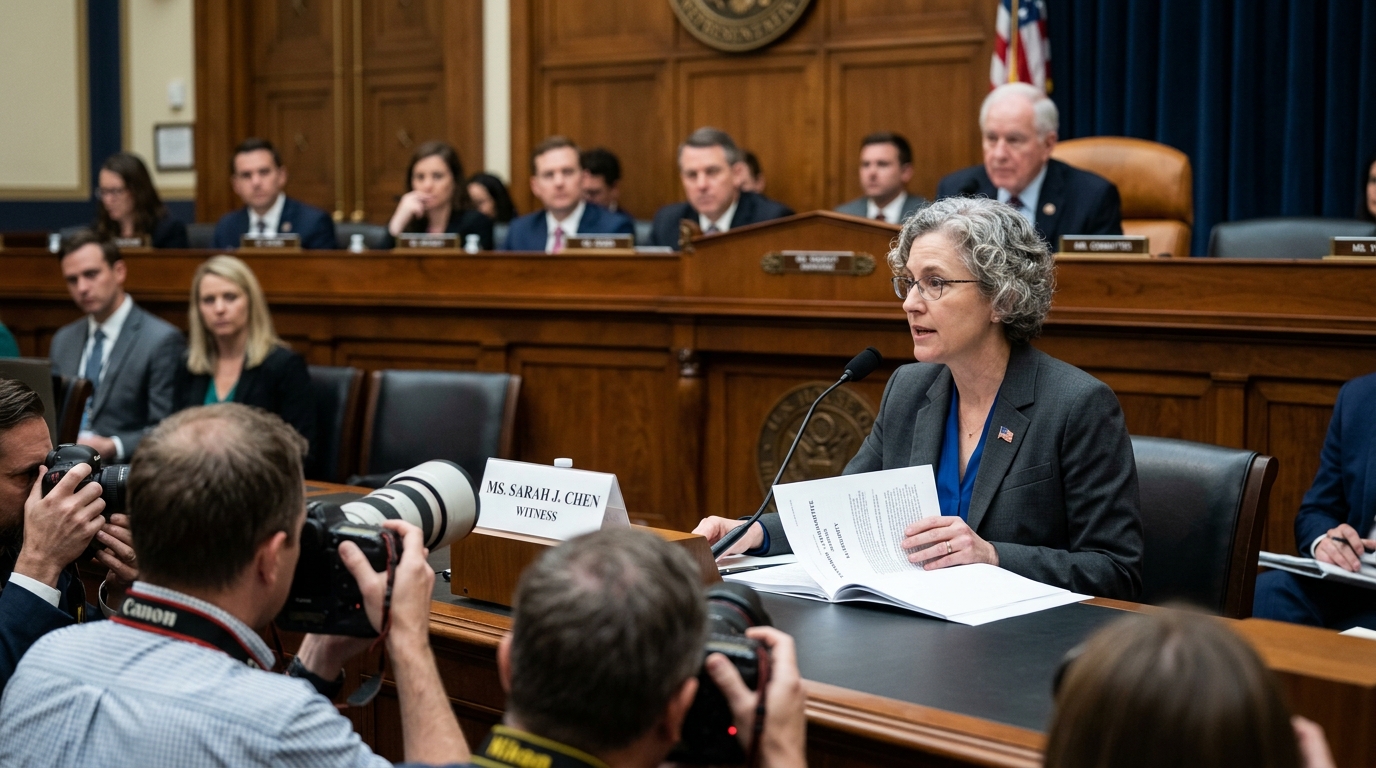
In the heart of the Rocky Mountains, a legislative revolution is unfolding that threatens—or promises—to fundamentally reshape how technology companies build and deploy Artificial Intelligence (AI). The Colorado legislature has introduced a series of ambitious bills targeting the most sensitive applications of AI: healthcare, therapy, and everyday chatbot interactions. This move is not merely a local initiative but a signal to the entire U.S. federal government, which remains largely stagnant regarding tech regulation.
Shielding Healthcare from 'Algorithmic Bias'
The centerpiece of the legislation focuses on the use of AI in "high-stakes" decision-making sectors. In healthcare, this means algorithms that determine who receives treatment, how hospital resources are allocated, or what premiums a patient should pay. Colorado seeks to impose a "duty of care" on developers, requiring them to prove that their systems do not incorporate racial, gender, or socioeconomic discrimination.
Historically, there have been documented cases where healthcare algorithms restricted access to care for minority groups because the training data reflected pre-existing social inequalities. The new framework requires companies to conduct regular audits and provide detailed reports to regulators, ensuring that the "black box" of AI does not arbitrarily decide matters of life and death for citizens.
AI Therapy: An Ethical Minefield
Special emphasis is placed on mental health applications. With the rise of AI-therapists, many are turning to chatbots for support due to low costs. However, the risks are immense. Colorado's legislation mandates clear disclosures: the user must know at all times that they are not speaking to a human. Furthermore, these applications must meet strict safety criteria to prevent them from giving dangerous advice to individuals in crisis, as has happened in tragic incidents in the past.
- Mandatory disclosure of AI use in every interaction.
- Strict protection of personal health data collected by chatbots.
- The possibility of intervention by a human expert in high-risk cases.
Industry Pushback and the 'Brussels Effect'
Predictably, tech giants and startups are expressing concerns. They argue that over-regulation will stifle innovation and force companies to relocate to states with more relaxed frameworks. However, proponents of the bills counter that public trust is essential for AI adoption. If citizens fear that AI will wrong them or mislead them, the market will eventually collapse under its own weight.
"We cannot allow technology to run faster than our rights. Health is a fundamental good, and AI must be a tool, not an oppressor," stated a member of the legislative committee.
Analysts observe that Colorado seems to be adopting elements from the European Union's AI Act, tailoring them to the American legal system. This indicates a global trend toward regulation, where local governments take on the role of guardian in the absence of international standards.
Conclusion: A Blueprint for the Future
The battle in Colorado is just the beginning. While Washington remains mired in partisan bickering, states like Colorado and California are creating de facto national standards. The success or failure of these measures will determine whether Artificial Intelligence will evolve into a force for democratizing healthcare or a mechanism that widens the gap between the privileged and the marginalized.