As we navigate the spring of 2026, Europe stands at a pivotal crossroads. The energy crisis triggered by the geopolitical upheavals of previous years hasn't just altered how we heat our homes; it has fundamentally reshaped the continent's economic fabric. Recognizing that the half-measures of the past are no longer sufficient, the European Commission has unveiled the 'AccelerateEU' package. This ambitious set of measures aims to fast-track the green transition, bolster grid resilience, and, most importantly, drastically reduce costs for end consumers.
Grid Modernization and the AI Revolution
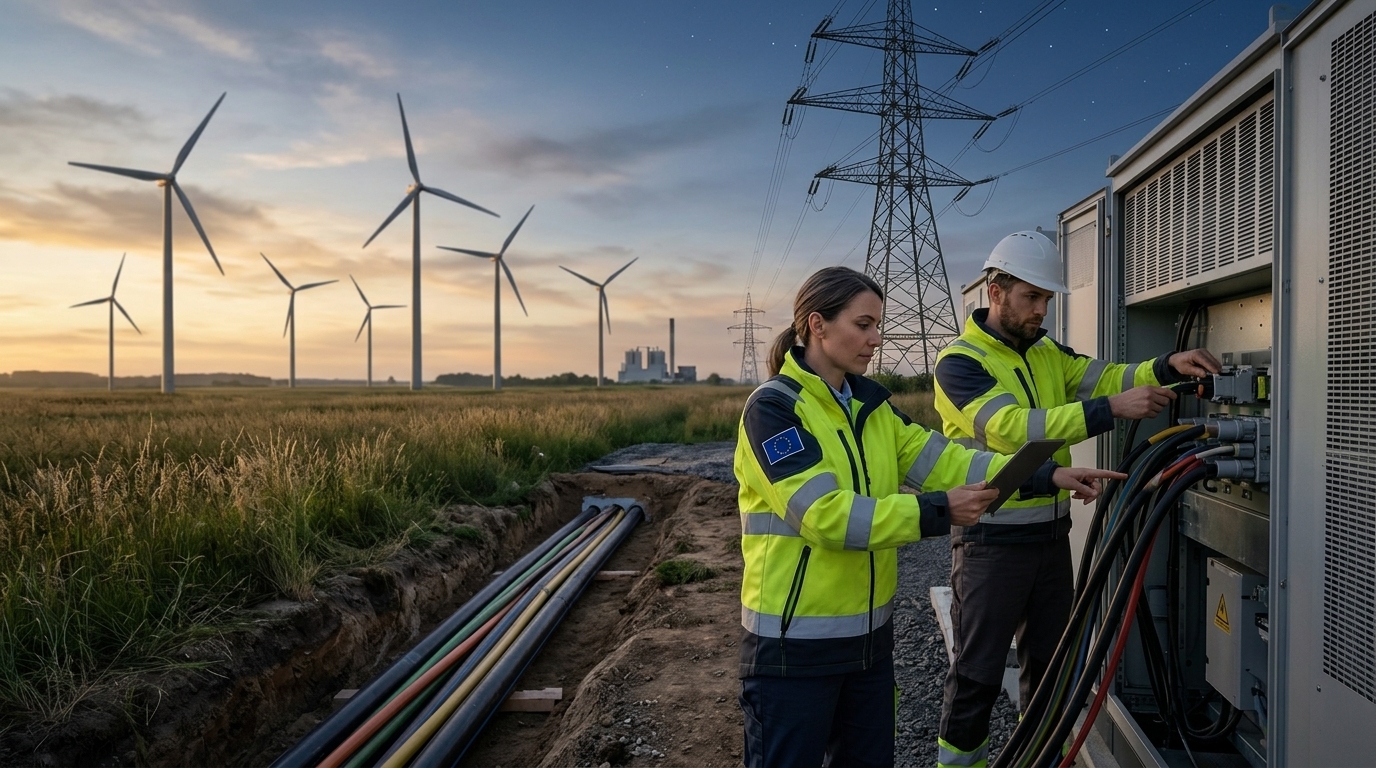
A central pillar of AccelerateEU is the comprehensive modernization of Europe's electrical grids. The Commission proposes investing over €584 billion by 2030 to upgrade transmission and distribution infrastructure. The innovation lies in the integration of advanced Artificial Intelligence (AI) systems to manage supply and demand in real-time.
Under this new framework, 'smart grids' will no longer be a theoretical concept. AI will predict demand peaks and direct renewable energy to where it is needed most, minimizing waste and preventing price volatility. For countries like Greece, this means surplus solar energy generated during the day can be stored or transmitted to industrial hubs in Central Europe with unprecedented efficiency, turning the Mediterranean nation into a true energy gateway.
Slashing Red Tape: The End of Bureaucracy
The greatest hurdle for renewable energy investments has historically been bureaucracy. AccelerateEU introduces the concept of 'Renewables Acceleration Areas.' Within these designated zones, permitting processes for wind and solar farms will be capped at six months, a stark contrast to the years-long delays previously experienced.
The Commission has clarified that the deployment of renewables constitutes an 'overriding public interest.' This means clean energy projects will take precedence over other land uses, provided they adhere to strict environmental standards. This move is expected to unlock billions in private capital that had been sidelined due to timeline uncertainty. Furthermore, the package includes incentives for 'agri-photovoltaics,' allowing farmers to generate energy without sacrificing arable land.
Consumer Protection and Energy Democracy
At the heart of AccelerateEU lies the citizen. The Commission is establishing a right to 'energy sharing.' Consumers will be able to jointly invest in renewable projects and share the energy produced, lowering their bills regardless of international natural gas prices. Additionally, a permanent protection mechanism against price spikes is being introduced, which will automatically activate during crises to cap producer profits and redirect revenues to vulnerable households.
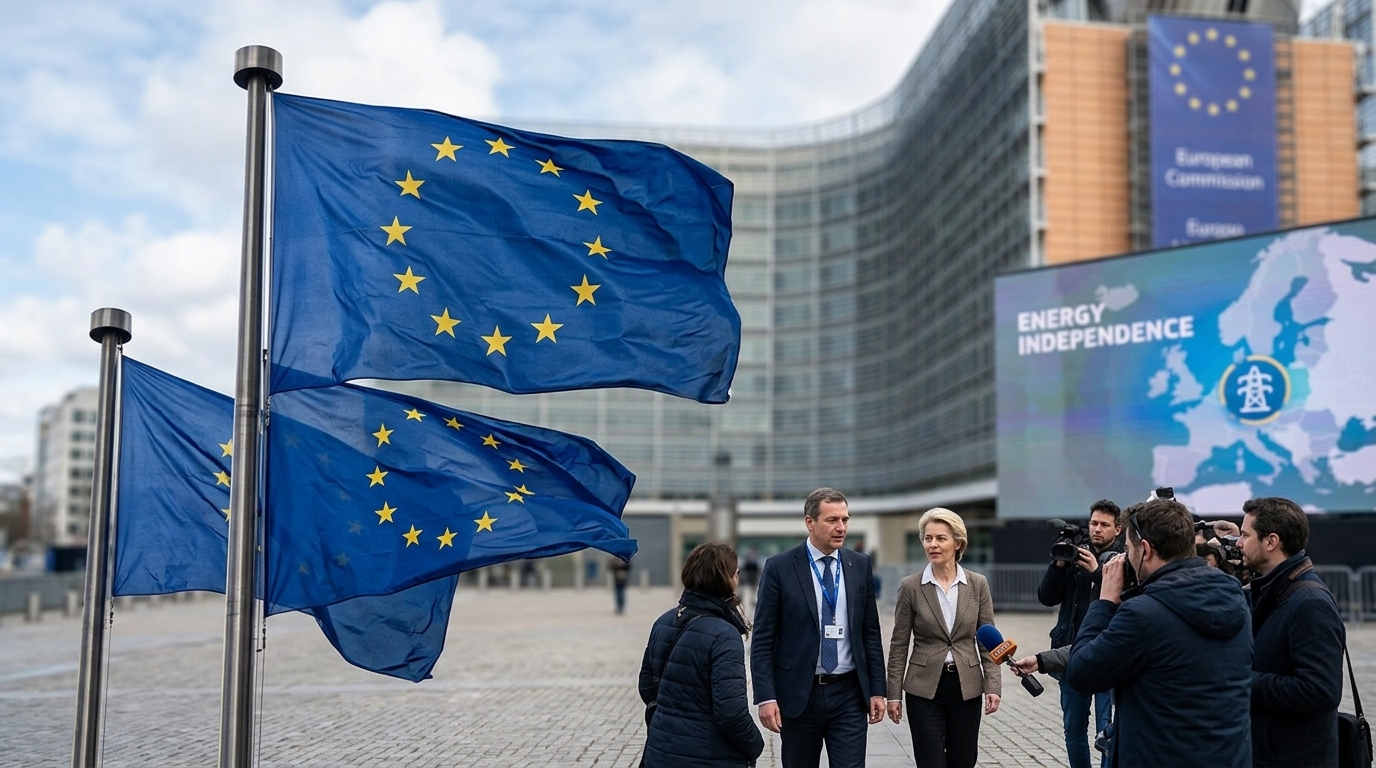
"Energy sovereignty is no longer an option; it is a matter of survival for the European project," stated the Commission President during the plan's unveiling.
The plan also emphasizes heat pumps and building energy upgrades. Through the 'Social Climate Fund,' millions of households will receive subsidies to replace oil and gas boilers, reducing dependence on imported fuels and improving urban quality of life.
The Hydrogen Bet and Industrial Competitiveness
For heavy industry, which cannot be easily electrified, AccelerateEU bets on green hydrogen. The creation of a 'European Hydrogen Bank' will guarantee the purchase of production at fixed prices, providing much-needed security for investors. The goal is for Europe to produce 10 million tons and import an equal amount by 2030. This strategy is not just about the climate; it's about competitiveness. By producing cheap, clean hydrogen, European steel and chemical industries can regain ground lost to the US and China.
In conclusion, AccelerateEU represents Europe's boldest response yet to energy insecurity. While implementation challenges remain immense—particularly regarding funding and member-state cooperation—the message is clear: the era of fossil fuels is ending, and Europe intends to lead the new age.