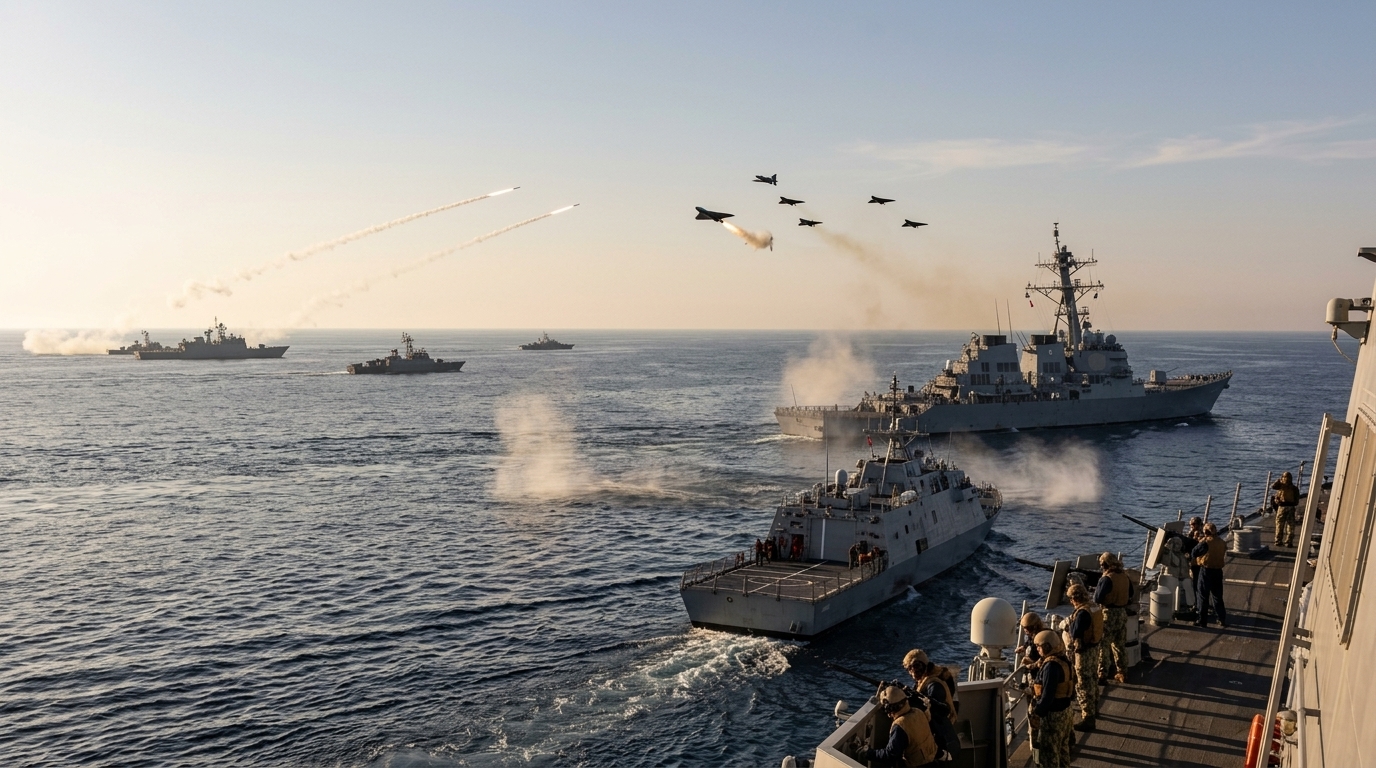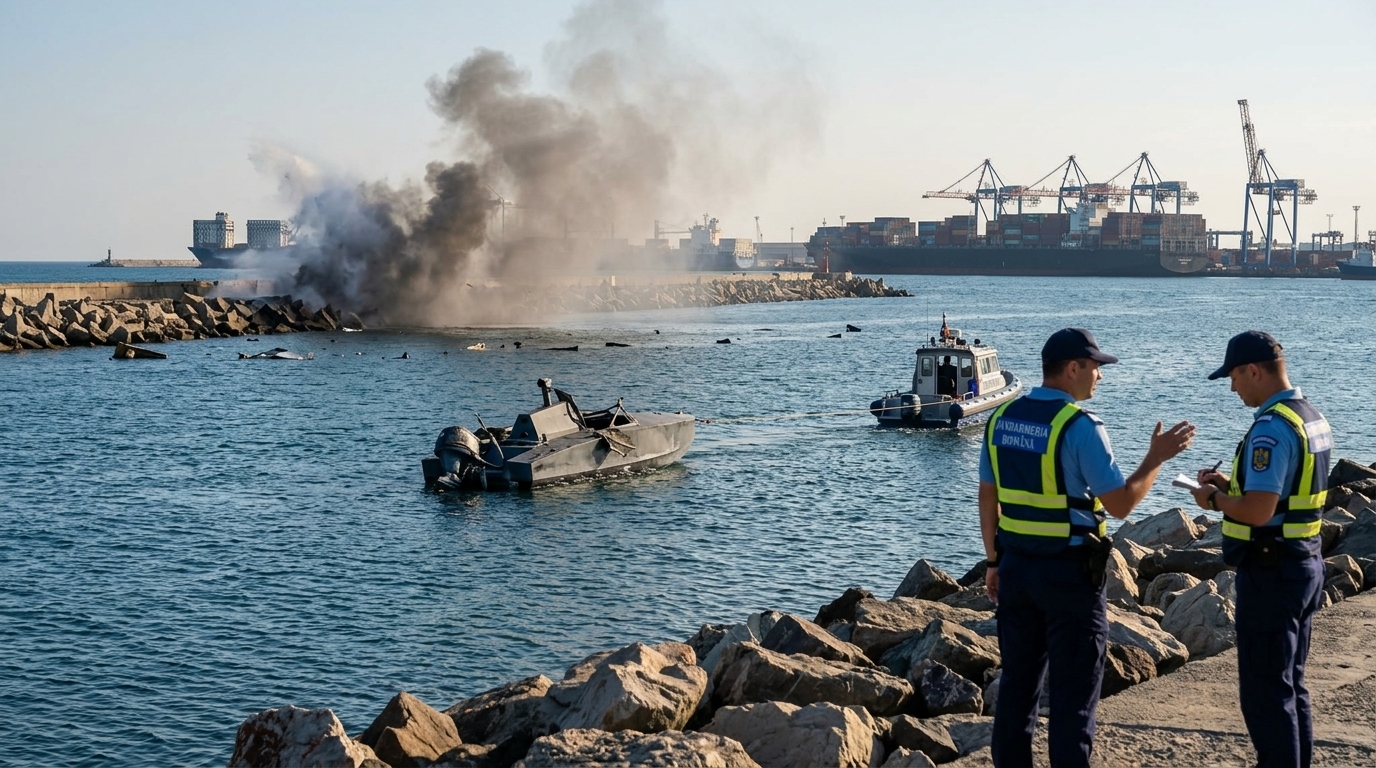
The geopolitical chessboard of the Middle East appears to be entering a new, unexpected phase of stabilization, as recent reports from Washington and Tehran point toward a "solid framework" for an agreement. At the heart of this diplomatic push are two of the most volatile issues on the global agenda: maritime security in the Strait of Hormuz and the oversight of Iran's nuclear program. Senator Marco Rubio’s remarks regarding a structured negotiation framework are not merely routine news; they signal that Realpolitik is beginning to outweigh the ideological confrontation that has defined the last decade.
The Strategic Significance of the Strait of Hormuz
The Strait of Hormuz is perhaps the most critical maritime artery on the planet. Through this narrow passage, which measures just 21 miles wide at its tightest point, flows approximately 20% of the world’s total oil consumption. Any tension in the region translates immediately into a spike in energy prices, triggering inflationary waves across Western economies. Pursuing an agreement that guarantees "free and unhindered navigation" is a priority not only for the United States but also for China and the European Union.
The deal under discussion reportedly involves a reduction in the presence of Iranian Revolutionary Guard Corps (IRGC) fast-attack craft near commercial vessels in exchange for the easing of certain sanctions that hamper Iranian crude exports. For Tehran, the need for foreign currency inflow is urgent, as internal economic pressure has fueled social unrest. For Washington, stabilizing fuel prices ahead of major political cycles is of paramount strategic importance.
The Nuclear Enigma and Oversight
Beyond oil, the agreement touches upon the thorny issue of nuclear enrichment. Following the collapse of the JCPOA, Iran has moved toward enrichment levels nearing 60%—a level considered a "threshold" for potential military use. Reports suggest the new framework proposes a freeze on enrichment at current levels and increased access for International Atomic Energy Agency (IAEA) inspectors.
- Freezing uranium enrichment at the 60% threshold.
- Restoring surveillance cameras at critical facilities like Natanz and Fordow.
- Gradual release of frozen Iranian assets held in foreign banks.
- Commitments to refrain from targeting US forces in the region via Iranian proxies.
This "less for less" approach seems to be the only realistic path forward, as a full return to the 2015 nuclear deal is now considered politically impossible in both capitals. Marco Rubio’s involvement in these discussions suggests that even the more hawkish wings of the US establishment recognize the necessity of a functional communication channel with Iran to manage escalation.
Regional Reactions and Israel's Stance
Any agreement between the US and Iran cannot be viewed in isolation from the reactions of regional powers. Israel remains extremely skeptical, fearing that a partial deal will provide Iran with the economic breathing room it needs to continue funding Hezbollah and Hamas without eliminating the nuclear threat. Conversely, Gulf nations, led by Saudi Arabia, appear to be adopting a more pragmatic stance, seeking a reduction in tensions to safeguard their own massive economic development projects.
"Diplomacy is not the end of conflict, but the management of it through means that do not lead to mutual destruction," noted senior analysts in Washington.
In conclusion, the emerging agreement regarding the Strait of Hormuz and nuclear constraints is a high-wire balancing act. If successful, it could usher in a period of relative calm in energy markets and avert a catastrophic war in the Middle East. If it fails, the risk of a generalized conflict will return with renewed intensity, carrying unpredictable consequences for the global economy.