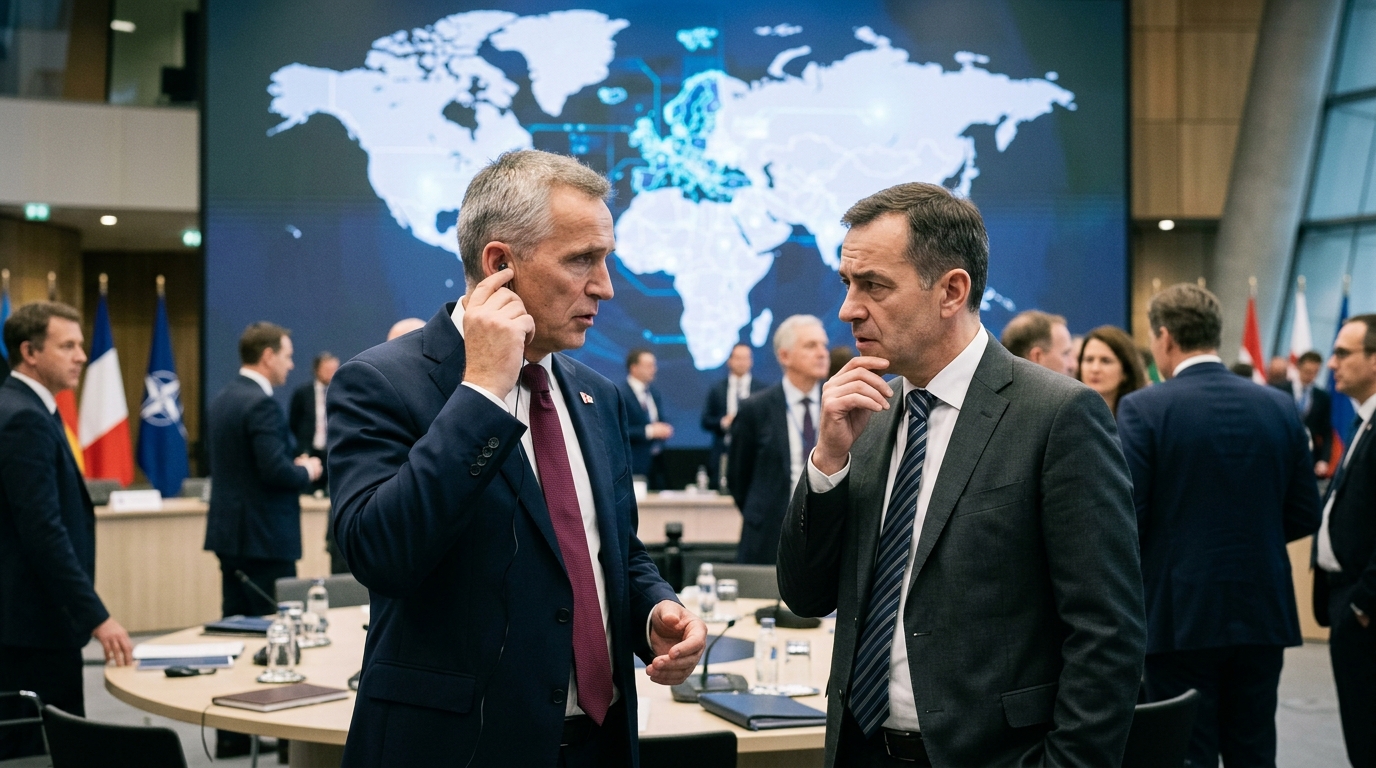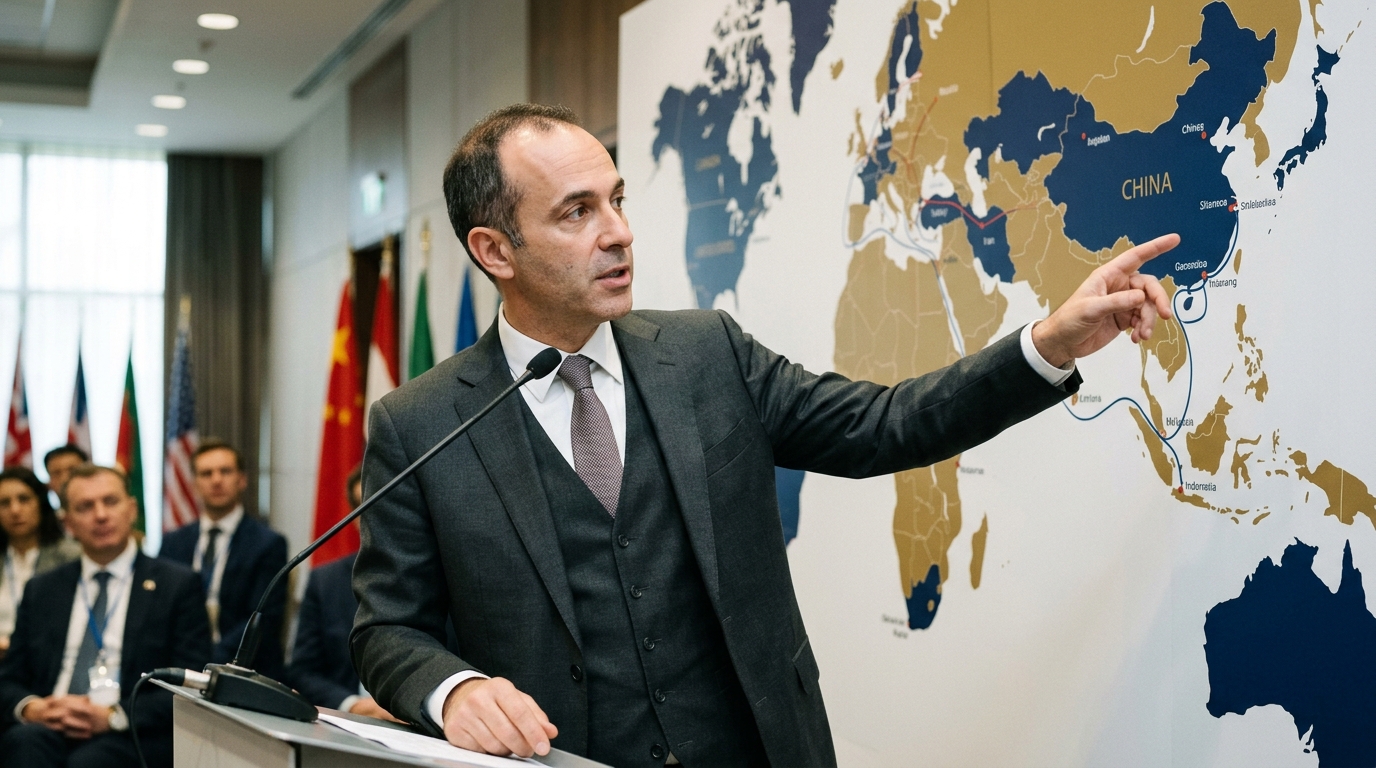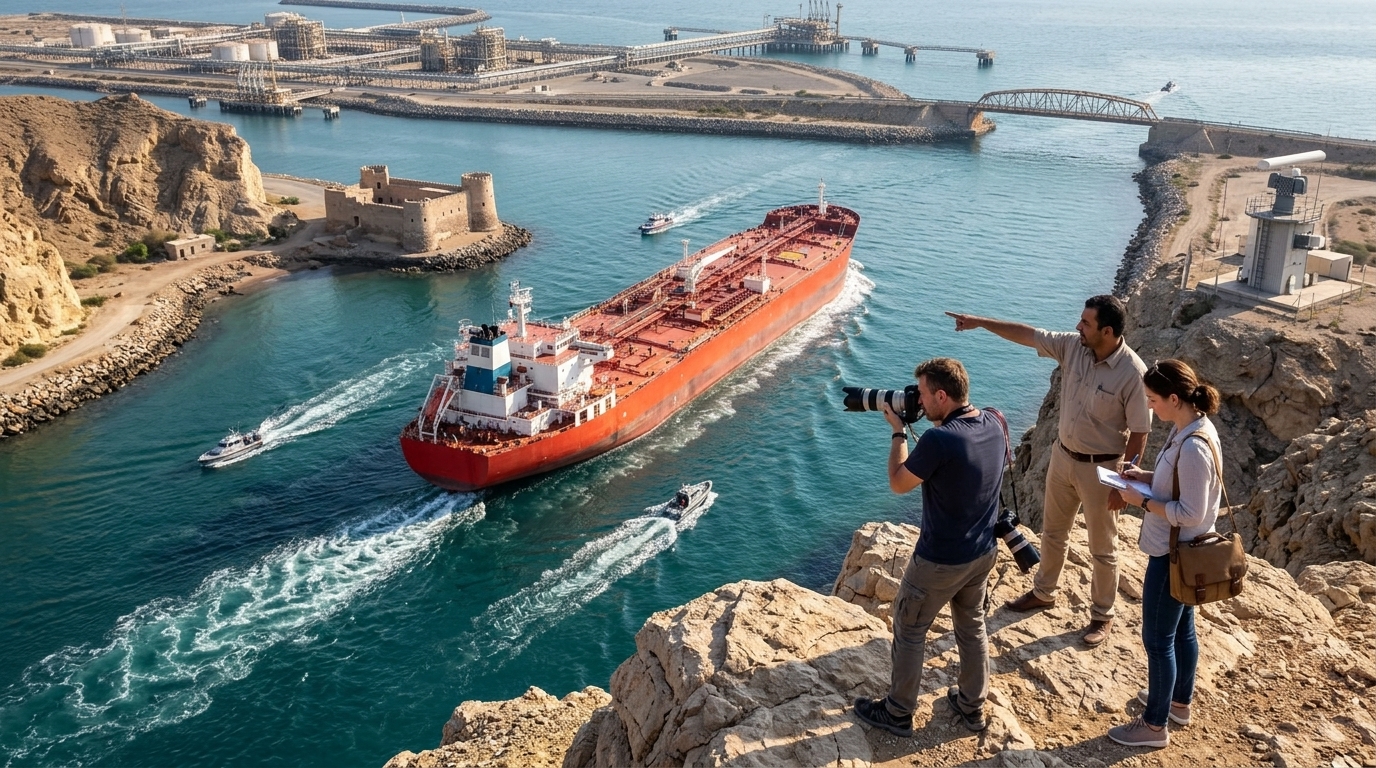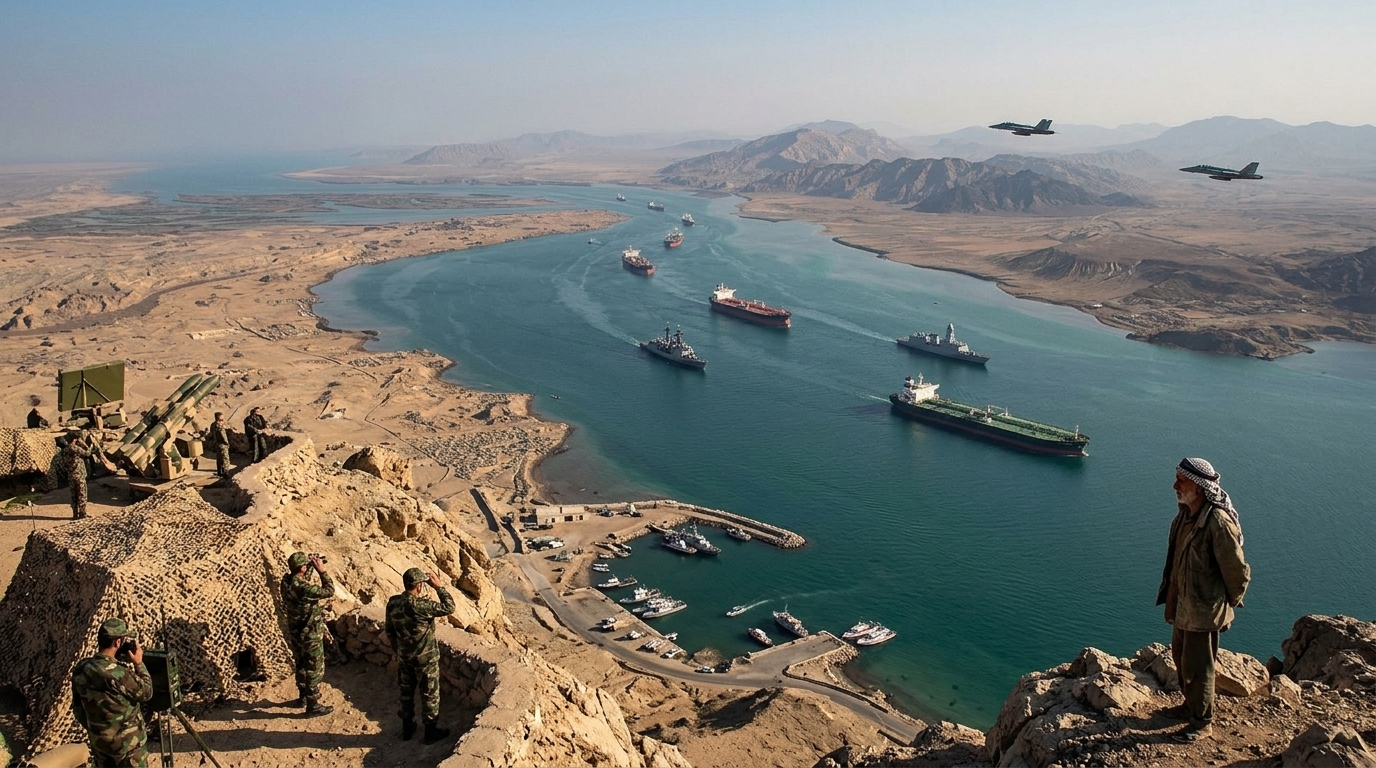
The announcement by the Speaker of the Iranian Parliament on Wednesday, April 22, 2026, is not merely a diplomatic friction; it is an escalation that threatens to upend the fragile balance of global energy. The declaration that the Islamic Republic will not restore freedom of navigation in the Strait of Hormuz as long as the U.S. naval blockade remains in effect marks the beginning of a new, perilous phase in the confrontation between the West and Iran.
The Strategic Significance of the Gulf's 'Jugular'
The Strait of Hormuz is perhaps the most critical geographical chokepoint for the global economy. Measuring just 21 miles wide at its narrowest point, this passage facilitates the transit of approximately 20-30% of the world's total oil and liquefied natural gas (LNG). For decades, Tehran has used the threat of closing the Strait as its ultimate bargaining chip. Today, however, this threat has materialized into a harsh reality.
The naval blockade imposed by the United States, supported by select allies, aimed to restrict arms exports and exert economic pressure on the regime. Yet, Iran's response—to 'lock' the exit of the Persian Gulf—creates a security paradox: the attempt to contain a regional power has led to the strangulation of the global supply chain.
Tehran's Rhetoric and Internal Politics
The stance of the Iranian Parliament Speaker reflects the hardline position of the Revolutionary Guard. Domestically, the Iranian government frames the closure of the Strait as an act of 'legitimate defense' against what it terms U.S. 'economic terrorism.' This rhetoric aims to rally public opinion, as sanctions have caused severe hardships for ordinary Iranian citizens.
According to analysts, Tehran is betting on the endurance of the international community. It knows that as long as oil prices remain at staggering highs, pressure on Washington from Europe and Asia will mount. The question remains: who will blink first in this geopolitical 'game of chicken'?
Impact on International Shipping and Energy
For global shipping, and particularly for the Greek-owned fleet which holds a dominant position in the tanker market, the situation is nightmarish. War risk insurance premiums have skyrocketed, and many companies now refuse to send vessels into the region, fearing seizures or sabotage. Diverting cargo via alternative routes, where possible, increases transportation costs and delivery times, fueling a new cycle of global inflation.
- Brent crude prices surging past $120 per barrel.
- Uncertainty in natural gas markets, directly impacting power generation in Europe.
- Freight costs increasing by 400% within a fortnight.
Diplomatic Deadlocks and the Road Ahead
Despite mediation efforts by countries such as Oman and Qatar, the situation remains stalemated. The U.S. insists that the blockade is necessary for international security, while Iran clarifies that there will be no retreat without the full lifting of restrictions. The international community watches with bated breath, as any accidental incident in the Strait could trigger a generalized conflict with unpredictable consequences.
"Freedom of navigation cannot be selective. Either it applies to everyone, or it exists for no one," stated the Iranian official, outlining the core of Iran's strategy.
In conclusion, the Hormuz crisis is not just a regional dispute. It is a test of the resilience of the globalized economy and the ability of major powers to manage crises without resorting to total war. April 22, 2026, will likely be recorded as the day the planet's energy security was held hostage in the most severe manner in modern history.