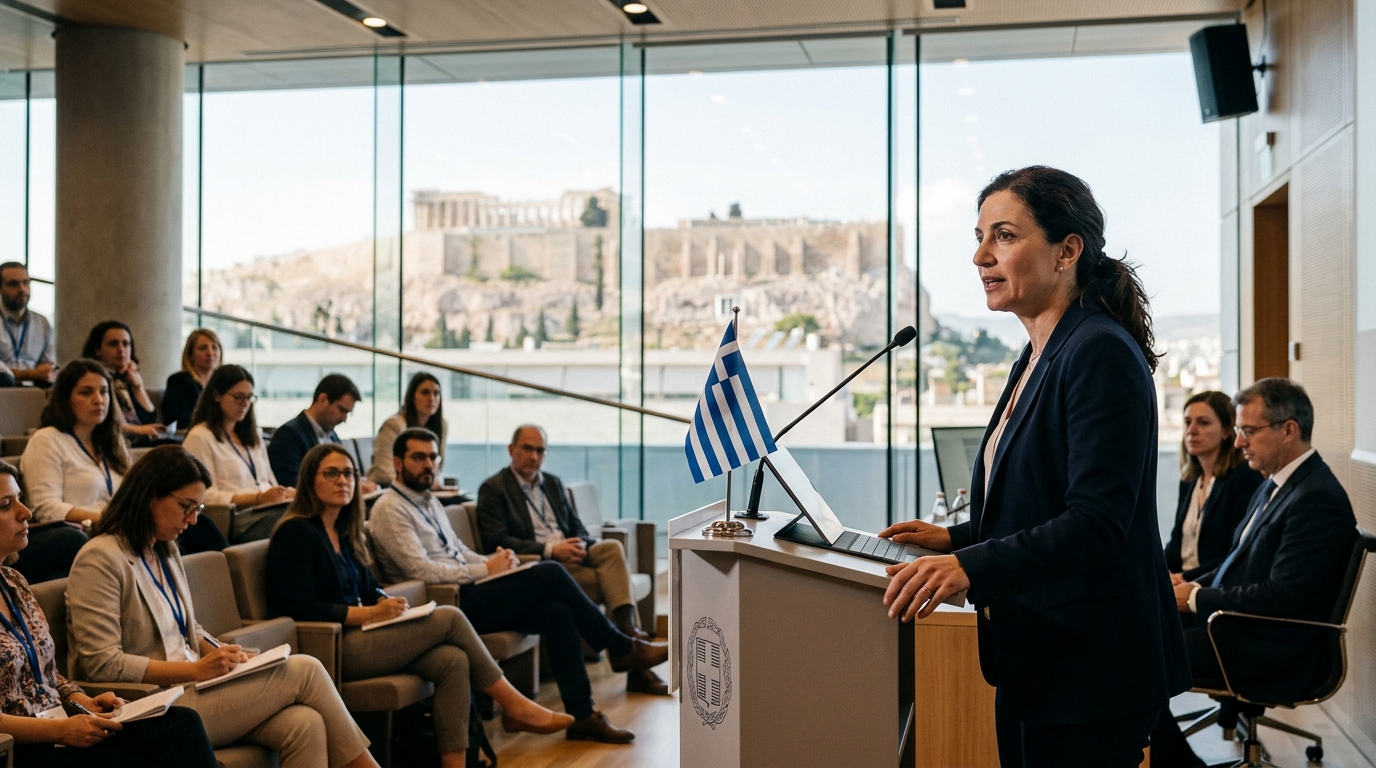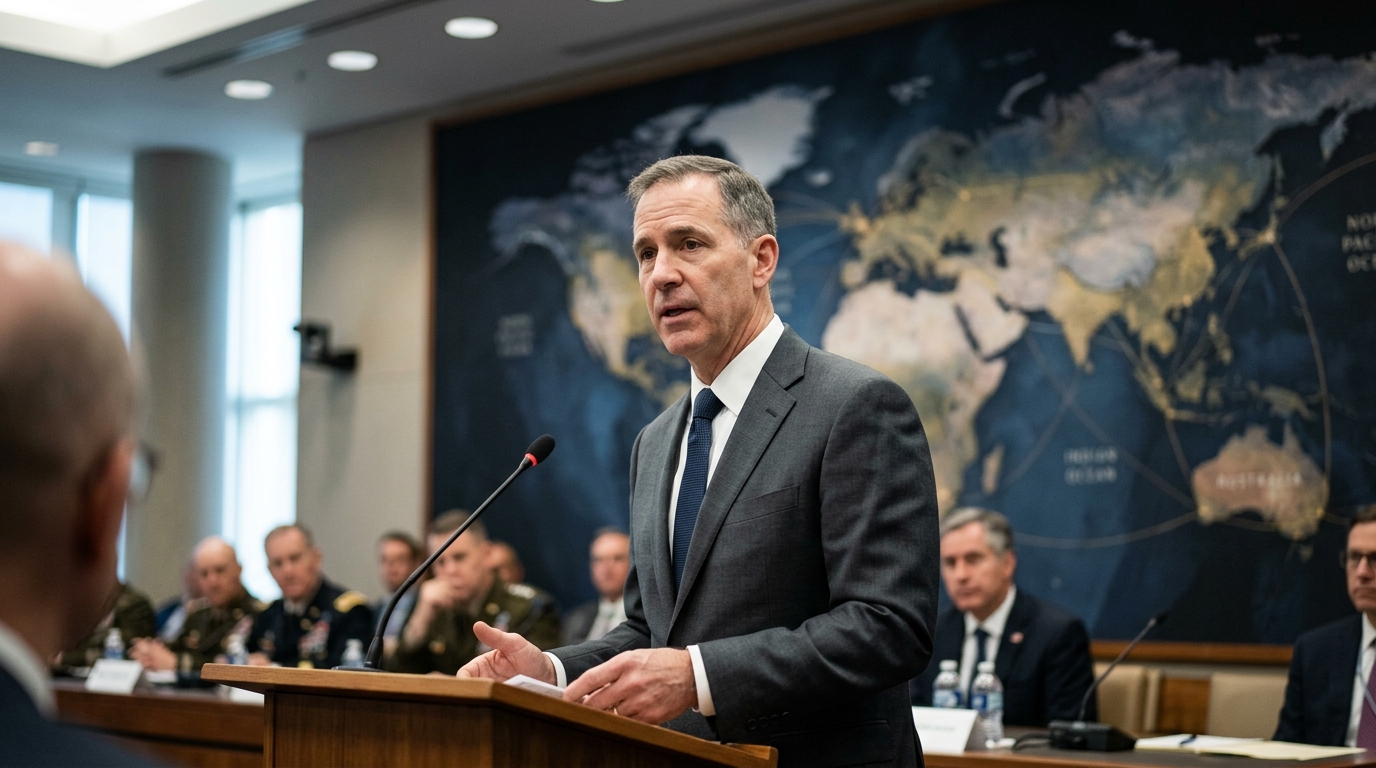
Kimberly Guilfoyle’s appearance at the Delphi Economic Forum was far more than a routine visit by a prominent figure in American politics. It was a clear statement of intent and a reminder that Greece, within the framework of Donald Trump’s geopolitical strategy, occupies a position that transcends mere diplomatic courtesy. Guilfoyle, an advisor and close associate of the former president, described a relationship built on mutual strategic necessity, energy security, and technological convergence.
At a time when the Eastern Mediterranean is embroiled in conflict and realignment, Greece is emerging as a "stable beacon" in a sea of uncertainty. Guilfoyle’s analysis focuses on the idea that for a potential future Trump administration, Athens is not just a NATO ally but a critical partner capable of guaranteeing stability in a region where American interests are tested daily.
Energy as a Catalyst for Alliance
One of the central points of Guilfoyle’s address was Greece’s role as an energy hub. The strategic importance of the port of Alexandroupoli and the development of LNG infrastructure are not merely economic ventures but tools for Europe’s geopolitical emancipation from Russian energy sources. According to her, Donald Trump recognizes that the energy independence of allies is a prerequisite for global security.
Guilfoyle emphasized that investments in energy infrastructure in Greece offer a dual opportunity: on one hand, they bolster the country’s economic growth, and on the other, they fortify the Alliance’s southeastern flank. The "America First" rhetoric does not signify isolationism but rather selective and powerful partnerships with countries that prove their reliability in practice. Greece, through its participation in frameworks like the 3+1 (Greece, Cyprus, Israel, and the US), demonstrates its capacity to fulfill this role.
Technology and the Investment Climate
Beyond defense and energy, Guilfoyle spoke extensively about the new face of the Greek economy. The entry of American giants such as Microsoft, Google, and Pfizer into the Greek market is not seen as coincidental. It is the result of a conscious shift toward extroversion and digital transition. For the Trump circle, Greece is now an attractive destination for American capital, combining high-quality human resources with a strategic geographical location.
Guilfoyle stressed that economic prosperity is inextricably linked to security. A robust Greece economically is a Greece that can invest in its defense and serve as a bulwark against revisionist forces. This reference takes on particular significance given the pressures exerted in the region by Turkey, although Guilfoyle avoided direct confrontations, preferring to focus on the positive agenda of Greek-American relations.
The Geopolitics of "Transactional" Diplomacy
Donald Trump’s approach to international politics is often characterized as transactional. However, in the case of Greece, Guilfoyle presented a more complex picture. It is not just about "give and take" but about a deep understanding that Greece is indispensable for controlling the trade and energy routes linking Europe with Asia and Africa.
In this context, Greece is called upon to balance Washington’s demands with the internal challenges of the European Union. Guilfoyle made it clear that a Trump administration would seek partners willing to shoulder their share of the responsibility (burden sharing), a requirement Greece has already met by exceeding the 2% GDP threshold for NATO defense spending.
"Greece is not just an ally on paper; it is a strategic partner that understands the challenges of the 21st century and acts proactively to address them," Guilfoyle stated.
In conclusion, Kimberly Guilfoyle’s statements at Delphi send a message of stability and continuity. Regardless of the political climate in the US, Greece’s geostrategic value remains non-negotiable. The challenge for Greek diplomacy is to capitalize on this momentum, turning geopolitical upgrading into long-term economic and national power.