As the world celebrates Earth Day 2026, Greece stands at a pivotal crossroads that once seemed unimaginable. Public Power Corporation (PPC), the historic pillar of the country's industrial development based on lignite, is completing one of the most radical corporate transformations in European history this year. The commitment to full coal phase-out by the end of 2026 is no longer a distant promise, but a reality reshaping the energy mix and economic identity of Greece and the broader Balkan region.
The Strategy of a 'Green' Superpower
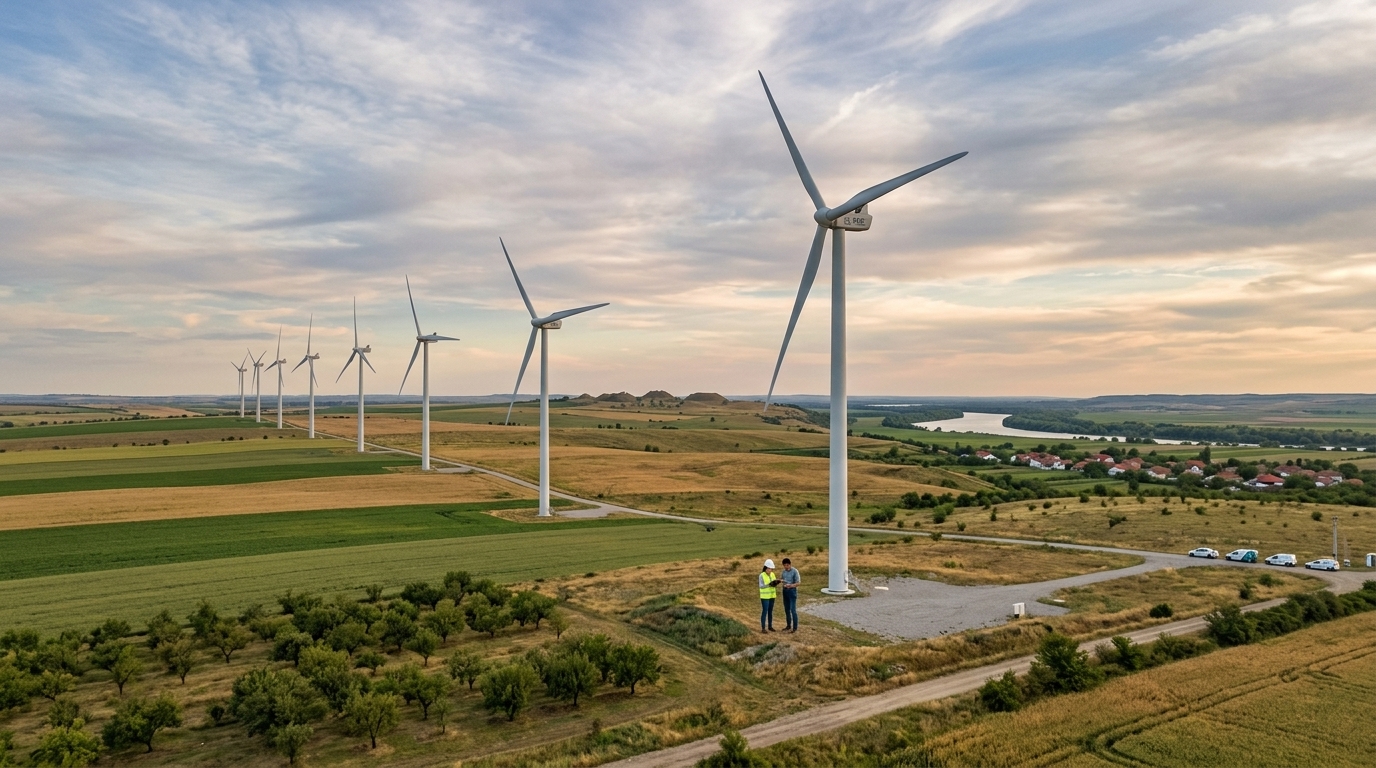
PPC management's vision for 2028, targeting an installed capacity of 12.7 GW from Renewable Energy Sources (RES), forms the backbone of a strategy that transcends national borders. The company is not merely seeking to be the domestic provider but a regional leader in Southeast Europe. The acquisition of Enel's operations in Romania was the first major step in this direction, creating an energy corridor that allows for optimized production and distribution in a market of over 30 million consumers.
This transition is not just about replacing lignite units with solar and wind farms. It involves a holistic approach integrating energy storage—essential for grid stability—and infrastructure digitalization. With investments reaching 9 billion euros for the 2024-2026 period, PPC is investing in smart meters, fiber optic networks via FiberGrid, and the expansion of e-mobility through PPC blue, which already boasts the largest charging network in the country.
Decarbonization: The End of an Era and the Just Transition
The retirement of lignite units, which for decades were the 'heart' of Greek power generation, brings immense challenges, especially for the regions of Western Macedonia and Megalopolis. PPC has taken on the burden of the 'Just Transition,' converting old mines into massive solar parks and promoting energy storage projects that will maintain jobs and breathe new life into local communities.
- Full lignite phase-out by the end of 2026.
- Development of 1.9 GW in energy storage systems by 2030.
- 75% reduction in CO2 emissions compared to 2019.
- Focus on flexible production with natural gas units as a transitional fuel.
This strategy aligns perfectly with the European Green Deal, which mandates strict targets for climate neutrality. PPC, once a 'polluter' of the past, is transforming into a model for how a state-owned enterprise can modernize and compete on equal terms in the private sector, attracting international capital and enhancing the country's energy security.
The Consumer at the Heart of the New Era
Beyond major infrastructure projects, the energy transition has a direct impact on citizens' daily lives. PPC is investing in service personalization, offering products that combine energy supply with energy upgrade solutions for homes and businesses. The use of artificial intelligence to predict demand and manage production is expected to lead to more rational pricing and reduced grid losses.
"The energy transition is not an option; it is a necessity for the planet's survival and the economic prosperity of future generations," company executives state.
In conclusion, Earth Day 2026 finds PPC in a position of strength, having proven that green growth and profitability can coexist. The challenge now is maintaining this momentum in an unstable geopolitical environment, ensuring that clean energy remains accessible and affordable for all.