In the heart of spring 2026, the artificial intelligence landscape is undergoing a tectonic shift. DeepSeek, the AI lab born from the Chinese quantitative trading firm High-Flyer Quant, has announced the release of DeepSeek V4. This is not merely a version upgrade; it is a geopolitical statement. At a time when the United States is tightening export controls on cutting-edge semiconductors, DeepSeek responds with a model that relies not on brute computing force, but on sophisticated mathematical architecture.
The Architecture of Efficiency: Defying Sanctions
DeepSeek V4 continues the tradition of its predecessors by utilizing Mixture-of-Experts (MoE) architecture at levels previously thought unfeasible. The core advantage of V4 is its ability to achieve performance benchmarks comparable to OpenAI’s GPT-5 and Anthropic’s Claude 4, while using only a fraction of active parameters during inference. This means the model is faster, cheaper to maintain, and, most importantly, can be trained effectively on older generations of hardware, such as H800 cards or even domestic Chinese chips.
The Multi-head Latent Attention (MLA) innovation, which first appeared in V3, has been perfected in V4, drastically reducing the memory footprint required for processing long context windows. This allows DeepSeek V4 to handle massive amounts of data—up to 1 million tokens—at a cost that makes Western models look economically unviable for enterprises. DeepSeek’s strategy is clear: if you cannot have the most chips, you must have the smartest mathematics.
Geopolitical Chess and the Fall of Silicon Valley’s Wall
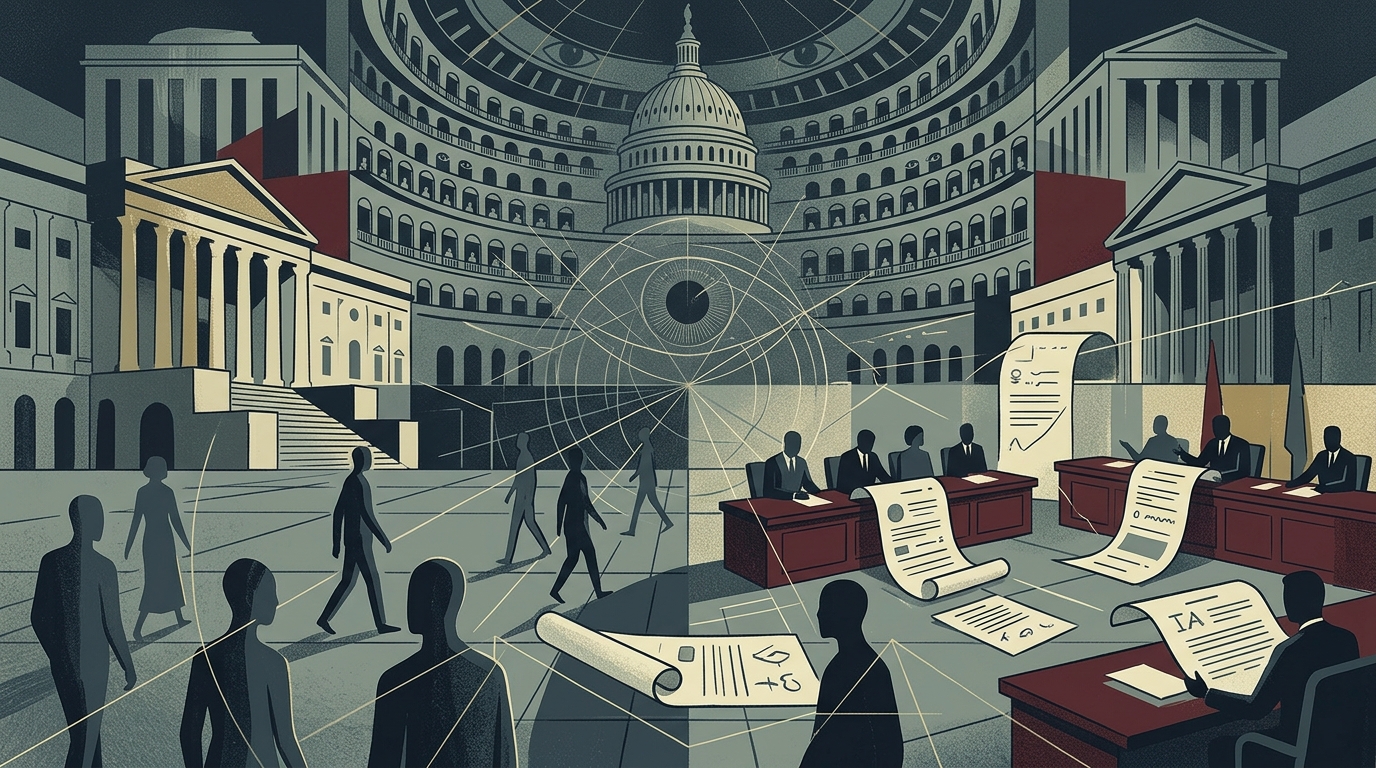
The release of V4 is not only a technical achievement but also a powerful blow to the narrative of American technological exceptionalism. For two years, Washington has bet on the belief that cutting China off from NVIDIA’s top-tier chips would "freeze" Chinese AI at the GPT-4 level. DeepSeek V4 shatters this illusion. Chinese researchers have proven that a lack of hardware can act as a catalyst for finding more efficient training methods.
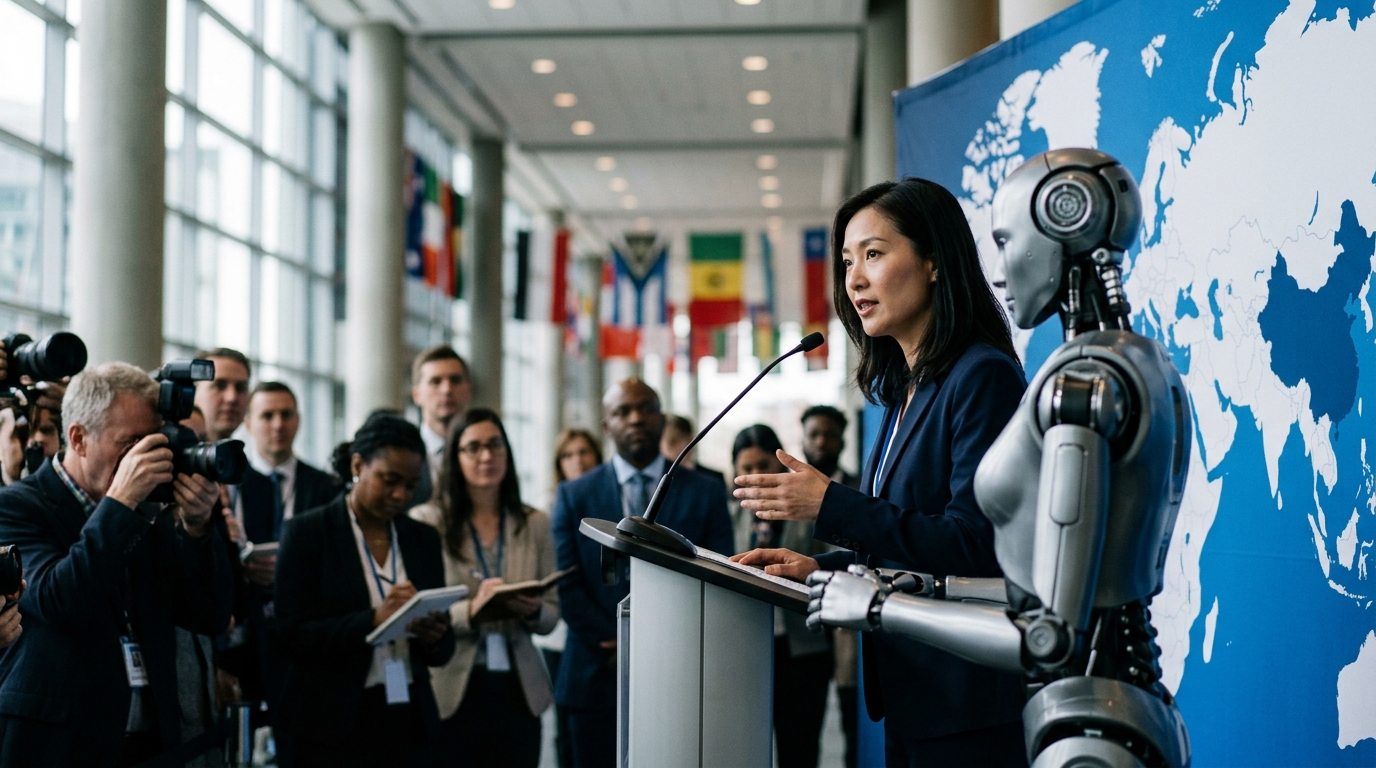
Furthermore, DeepSeek’s decision to release the model weights (open-weights) creates a new gravity well for the global developer community. While OpenAI and Google fortify themselves behind closed APIs, DeepSeek offers its technology freely, allowing companies in Europe and Southeast Asia to build on a world-class model without depending on US cloud infrastructure. This Chinese "soft power" in the software sector may prove more dangerous to US interests than any trade dispute.
Token Economics and Market Reaction
From an economic perspective, DeepSeek V4 is expected to trigger a "price war" in the AI market. With the cost per million tokens being up to 10 times lower than its competitors, V4 becomes the obvious choice for mass-scale applications, such as automated coding and legal document analysis. High-Flyer Quant, the parent company, seems to be using DeepSeek not as a direct profit product, but as a tool for ecosystem dominance.
Analysts point out that if DeepSeek continues at this pace, reliance on US platforms will decrease dramatically. Already, major European startups are considering migrating to DeepSeek V4 to slash operational costs, causing concern among shareholders of Microsoft and Amazon, who see their AI cloud service revenues threatened by a "free" and more powerful competitor.
Conclusion: The New Normal
DeepSeek V4 represents the milestone of a new era where AI innovation is now multipolar. The days when Silicon Valley alone defined the boundaries of the possible are over. China, despite the restrictions, has found its way to the top, not by copying, but by redefining the rules of the game. For the rest of the world, this means more choices and lower costs, but also an increasing need for awareness regarding the political and ethical implications of using models originating from a different regulatory environment.