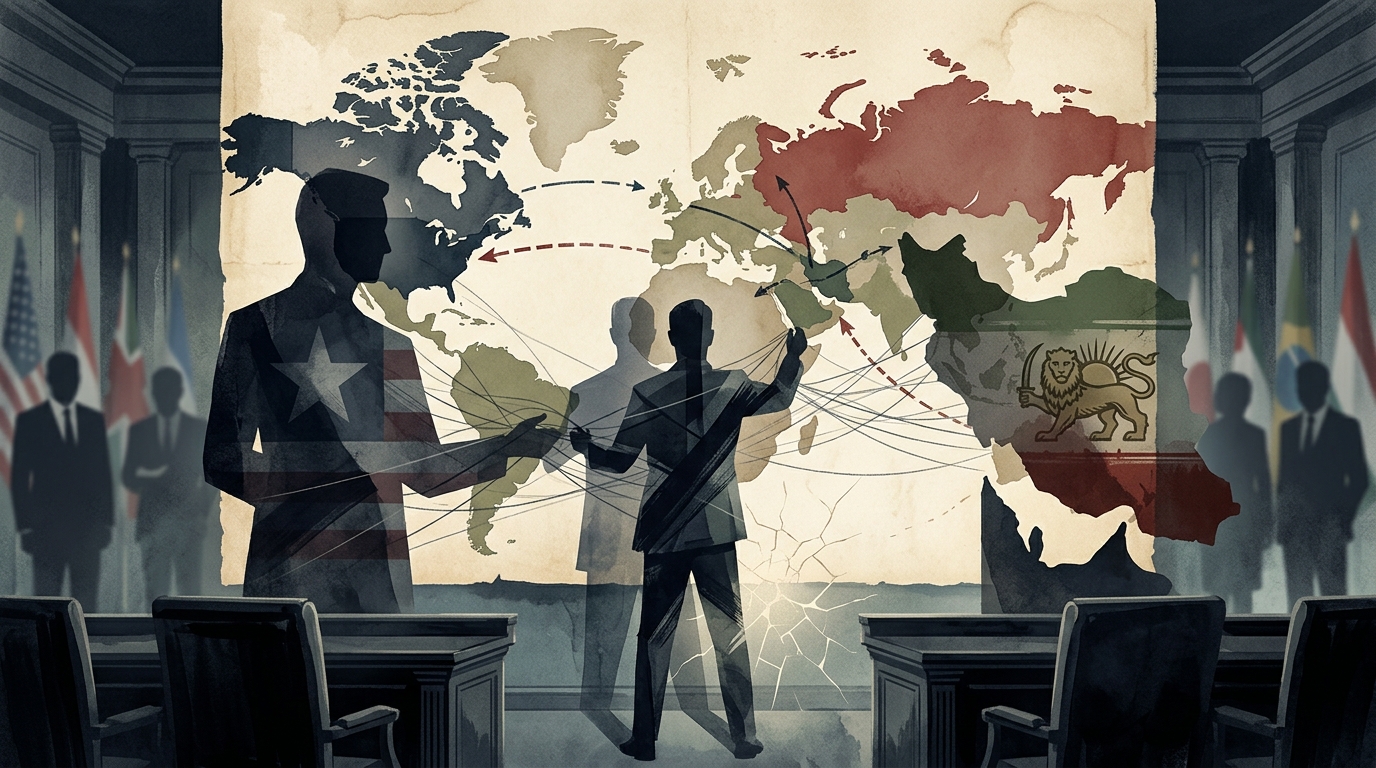
In an era where the Middle East resembles shifting sands, the statements by Iranian Foreign Minister Abbas Araghchi serve as a reminder that behind the inflammatory rhetoric and public confrontations, diplomatic channels—however subterranean—remain open. Araghchi, a veteran diplomat who played a pivotal role in the 2015 nuclear deal (JCPOA) negotiations, recently confirmed that dialogue with the United States continues, though he studiously avoided predicting any success. This stance reflects the delicate balance the government of President Masoud Pezeshkian is attempting to maintain, caught between the urgent need for sanctions relief and pressure from hardliners within Tehran.
The 'Oman Channel' and the Diplomacy of Messages
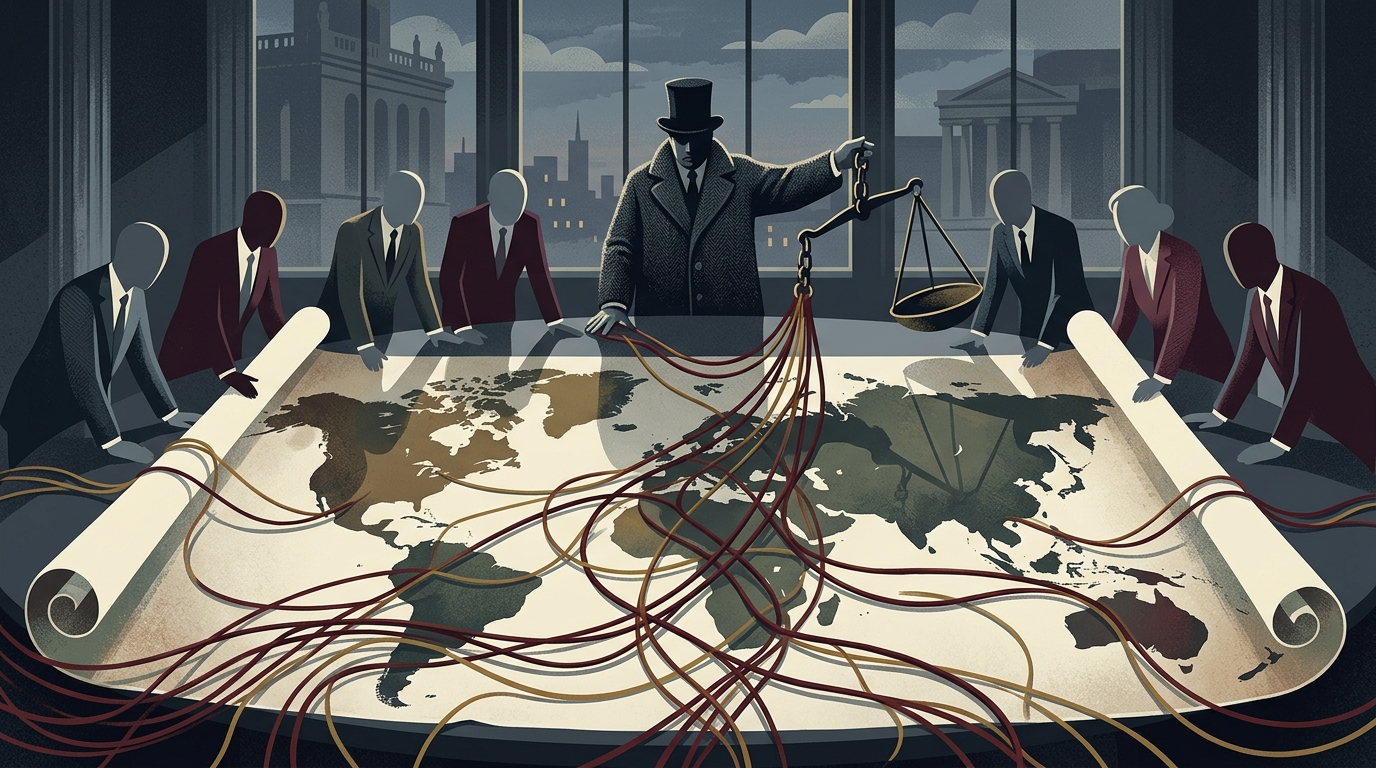
Contacts between Tehran and Washington are not conducted at direct negotiating tables but through third parties, with the Sultanate of Oman traditionally playing the role of mediator. Araghchi clarified that the exchange of messages is an ongoing process, which, however, has yet to yield results capable of altering the status quo. This 'messaging diplomacy' focuses primarily on tension management, preventing a generalized conflict in the region, and, of course, the future of Iran's nuclear program.
According to analysts, Araghchi's choice to speak publicly about these contacts is a signal to the international community that Iran remains a rational actor seeking solutions. However, his refusal to 'judge' the talks until there is a result demonstrates a profound trust deficit. Tehran feels betrayed by the US withdrawal from the deal in 2018, and every new approach is met with suspicion. The process is excruciatingly slow, as every word in these messages is weighed with geopolitical precision.
Domestic Pressures and the Shadow of Sanctions
For the Pezeshkian administration, the success of these talks is not just a matter of foreign policy, but of survival. The Iranian economy is groaning under the weight of US sanctions, with inflation skyrocketing and the national currency devaluing. Araghchi knows that without a meaningful easing of restrictions on oil exports and the banking system, social discontent in Iran will continue to mount.
Nonetheless, the path to an agreement is strewn with thorns. Hardliners in the Iranian parliament (Majlis) and the Revolutionary Guard closely monitor every move by the Foreign Ministry, ready to accuse the government of appeasement. Araghchi must convince the domestic front that diplomacy is a tool of strength, not weakness. "We should not pay attention to rumors," he stated characteristically, attempting to silence voices alleging 'secret deals' that undermine national sovereignty.
The Geopolitical Chessboard: From Ukraine to Gaza
The complexity of the talks is intensified by regional and international developments. The US is pressuring Iran to cease providing military equipment to Russia for the war in Ukraine—an issue Tehran officially denies, but which remains a 'red line' for the West. Concurrently, Iran's role in the 'Axis of Resistance'—from Hezbollah in Lebanon to the Houthis in Yemen—further complicates the situation.
Araghchi is tasked with negotiating in an environment where Washington demands 'more for more,' while Tehran insists on the fulfillment of previous commitments. The situation in Gaza and the ongoing tensions with Israel act as crisis accelerators, making US-Iran dialogue necessary to avoid total war, yet also extremely politically toxic for both sides. The question remains: can diplomacy produce results when trust is at an all-time low?
Conclusion: Waiting for the Tangible
In conclusion, Abbas Araghchi opts for a strategy of 'strategic patience.' His statement that he cannot judge the talks until a clear result is achieved is a sign of realism. In the world of high diplomacy, intentions matter little if they do not translate into signed texts and the lifting of restrictions. For Iran, the stake is a return to international legitimacy and economic breathing room. For the US, it is the containment of the nuclear ambitions of a regional power. Until a middle ground is found, the dialogue will continue in the shadows, away from the spotlight, in the hope that reason will prevail over arms.