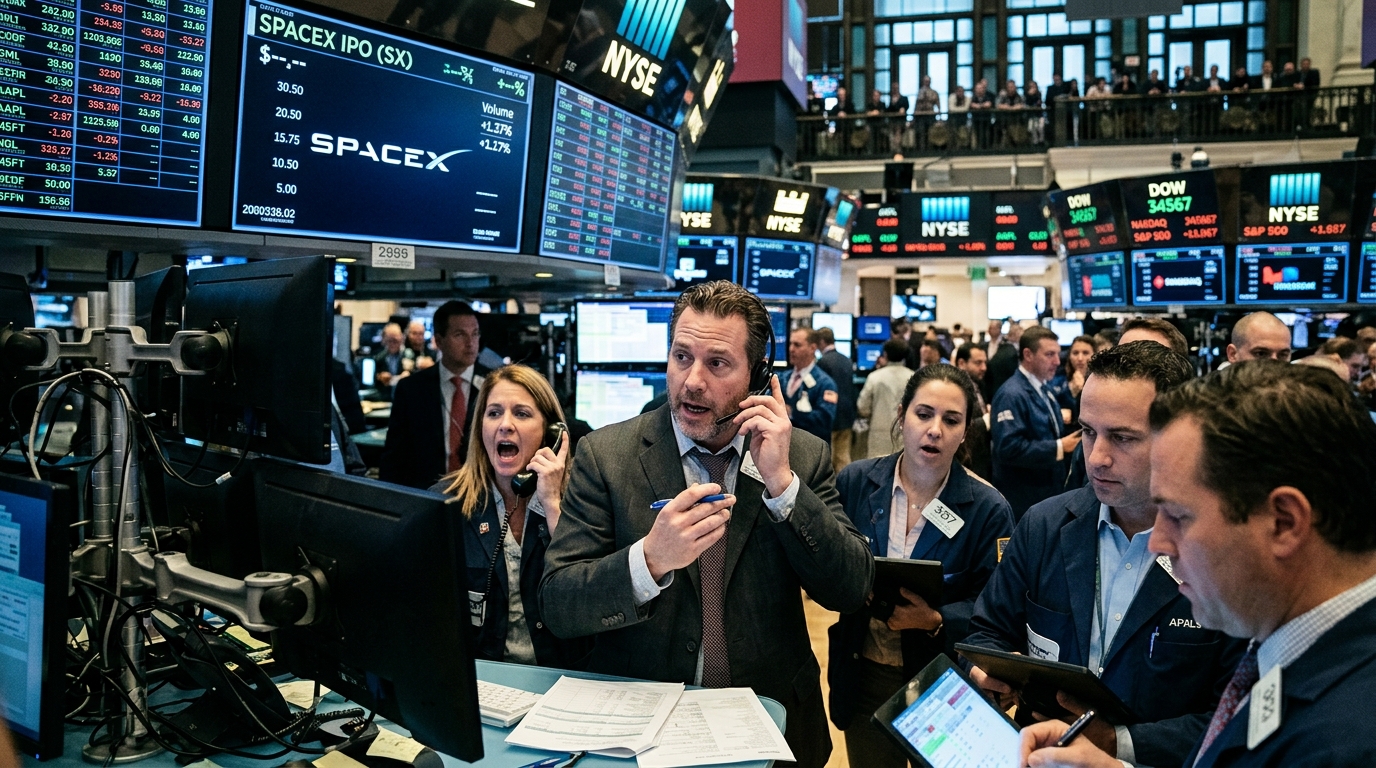
May 28, 2026, marks a pivotal moment in financial history as the boundaries between the terrestrial economy and our celestial future begin to dissolve. The long-anticipated SpaceX Initial Public Offering (IPO) is far more than a corporate milestone; it is a tectonic shift redefining technology, global connectivity, and geopolitical leverage. With a valuation nearing $2 trillion, Elon Musk’s aerospace giant is no longer measured against traditional defense contractors, but alongside the titans of Silicon Valley like Apple and Nvidia.
The King of Connectivity: Starlink’s Global Hegemony
The true crown jewel of SpaceX, justifying the lion's share of its astronomical valuation, is not its fleet of Falcon 9 rockets, but the Starlink satellite constellation. As of mid-2026, Starlink has successfully delivered high-speed broadband to every corner of the globe—from the depths of the Amazon rainforest to the frontlines of global conflicts. The profitability of this division has surged, as SpaceX now operates as a global telecommunications provider unburdened by the geographical and political constraints of terrestrial infrastructure.
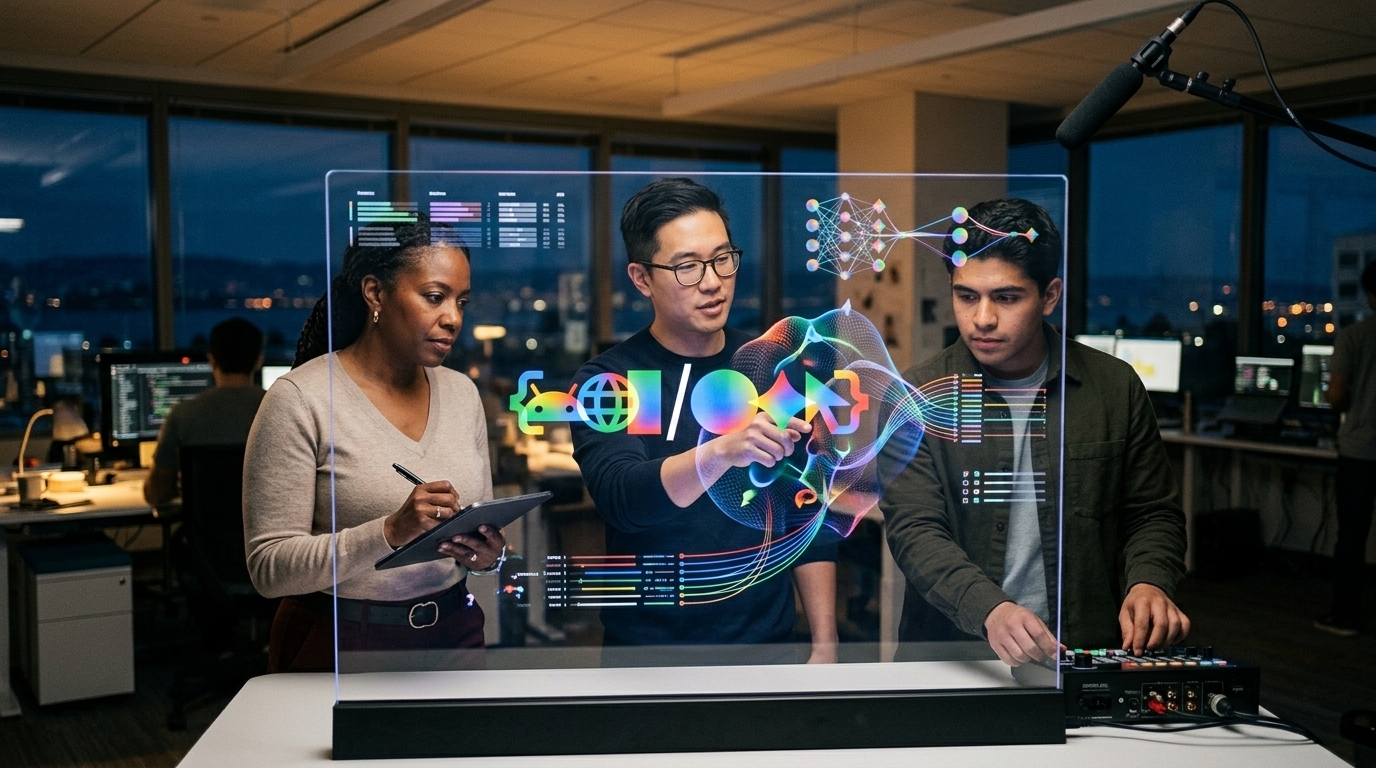
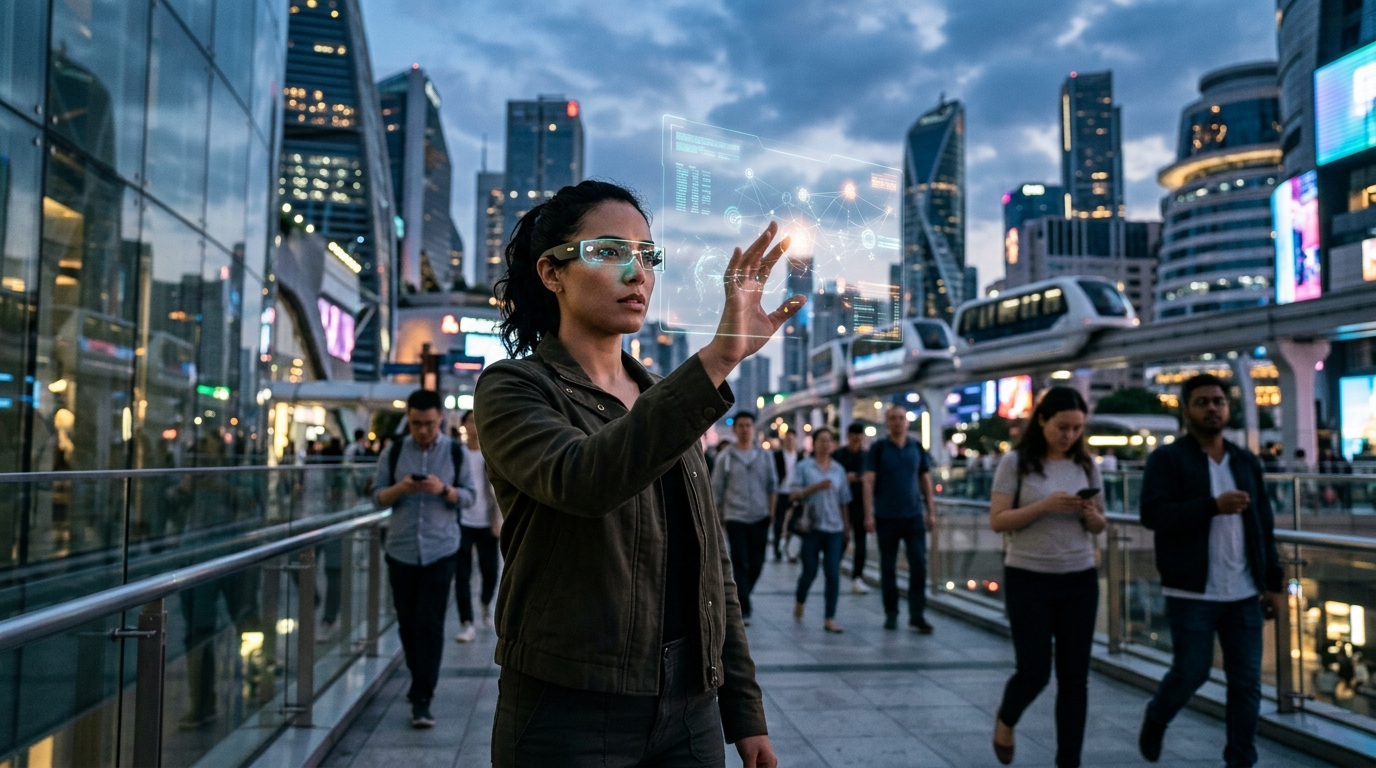
Wall Street analysts emphasize that Starlink is not merely an internet service provider. It is the backbone of a new digital era. By integrating advanced edge computing, SpaceX satellites now serve as orbital data processing nodes, drastically reducing latency for critical AI applications, autonomous systems, and high-frequency trading. This convergence of space and Artificial Intelligence is what makes the IPO both irresistible to investors and intimidating to competitors.
Starship: Redefining the Logistics of Tomorrow
While Starlink generates the cash flow, Starship represents the vision. The largest and most powerful launch system ever built has now proven its full reusability, a feat once deemed impossible. This technological breakthrough has slashed the cost of transporting mass into orbit by over 90% compared to the previous decade. SpaceX’s ability to ferry immense payloads to the Moon—and eventually Mars—positions it as the sole architect of a market it effectively created.
The company’s integral role in NASA’s Artemis program ensures a steady stream of government contracts, yet the real value of Starship lies in its commercial potential. From constructing next-generation orbital habitats to the theoretical mining of near-Earth asteroids, SpaceX holds the keys to resources that could fuel the global economy for centuries. It is not just a rocket company; it is the logistics provider for the solar system.
Market Challenges: Risks, Regulation, and the Musk Factor
However, going public brings a level of scrutiny and transparency that has historically been at odds with Elon Musk’s management style. Investors are wary of the concentration of power in a single individual and how geopolitical tensions might affect a company that is now vital to U.S. national security. Furthermore, environmental concerns regarding frequent launches and the escalating problem of space debris (Kessler Syndrome) remain under the microscope of international regulators.
"SpaceX is no longer selling the future; it is selling the infrastructure upon which the 21st century will be built," noted a senior analyst at Bloomberg Tech.
The question is not whether SpaceX is worth $2 trillion, but whether public markets can stomach the volatility and inherent risks of a company aiming for multi-planetary colonization. For the retail investor, this IPO represents the first genuine opportunity to own a piece of the "space economy," a sector Morgan Stanley predicts will exceed $1 trillion in annual revenue by 2040. The transition from a private visionary project to a public corporate entity will be the ultimate test of Musk's leadership.
Conclusion: A New Chapter for Humanity
SpaceX has already achieved the unthinkable: making space accessible and economically viable. With this IPO, it must prove it can sustain its rapid pace of innovation while satisfying shareholder demands for consistent growth. Whether it is providing internet to a remote village in Africa or preparing the first crewed mission to the red planet, the company stands at the epicenter of a historical transformation. The SpaceX IPO is not the conclusion of a journey, but the launch into a new economic reality where the limits of our planet no longer define the limits of our potential.