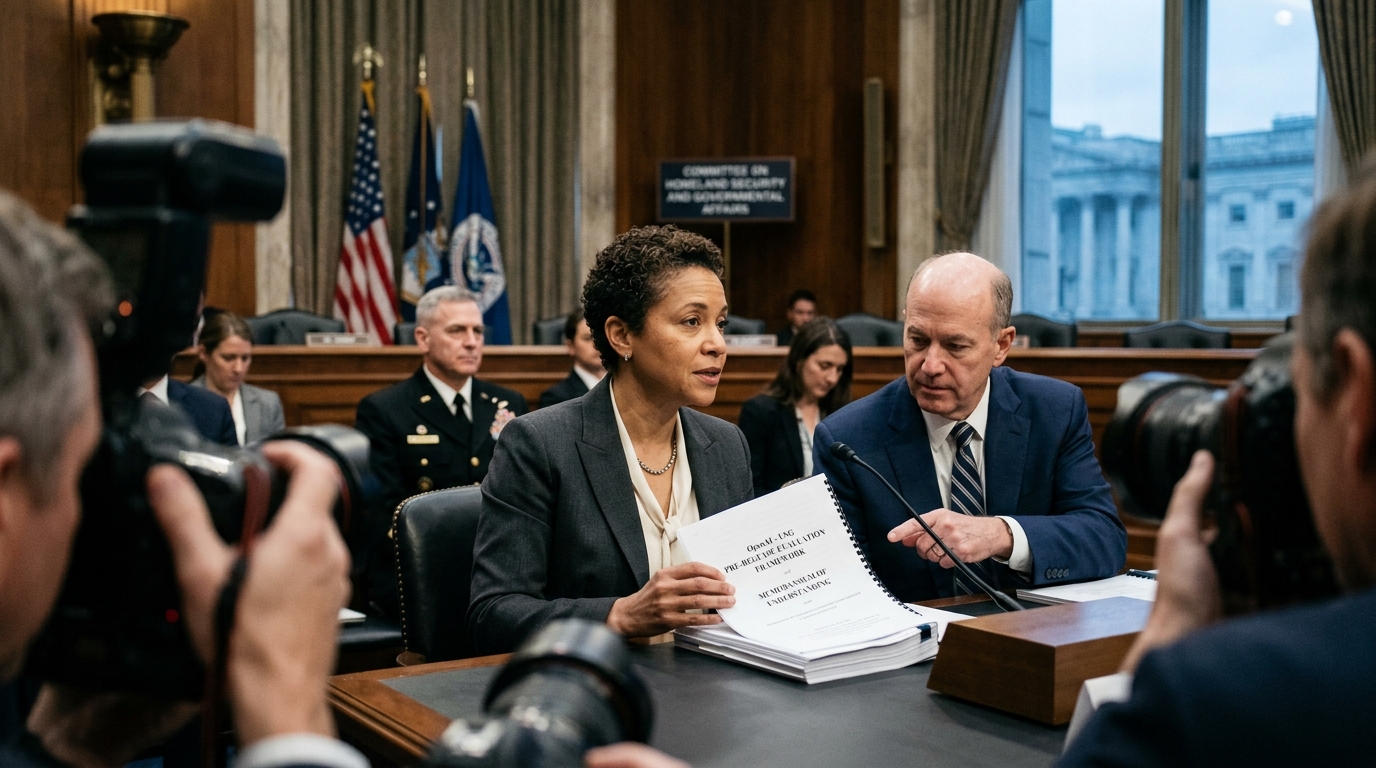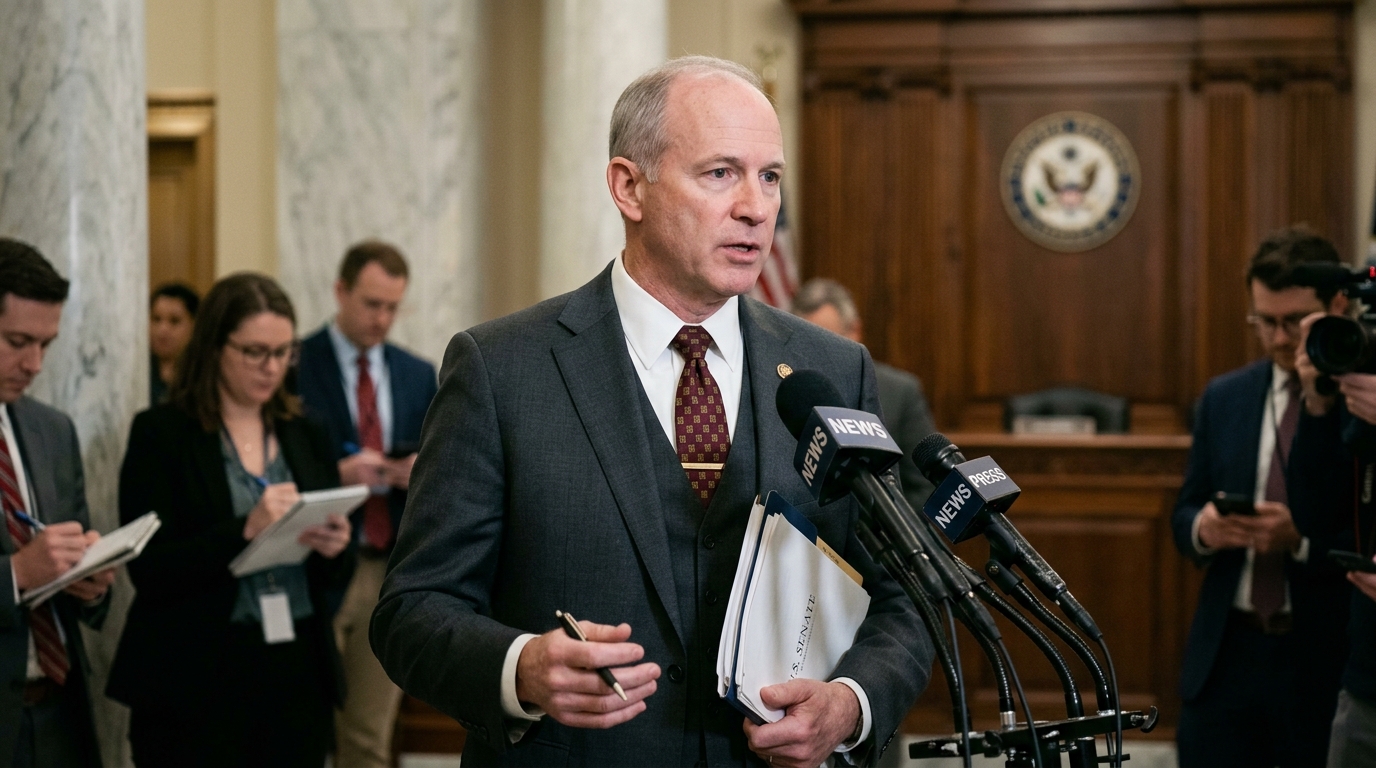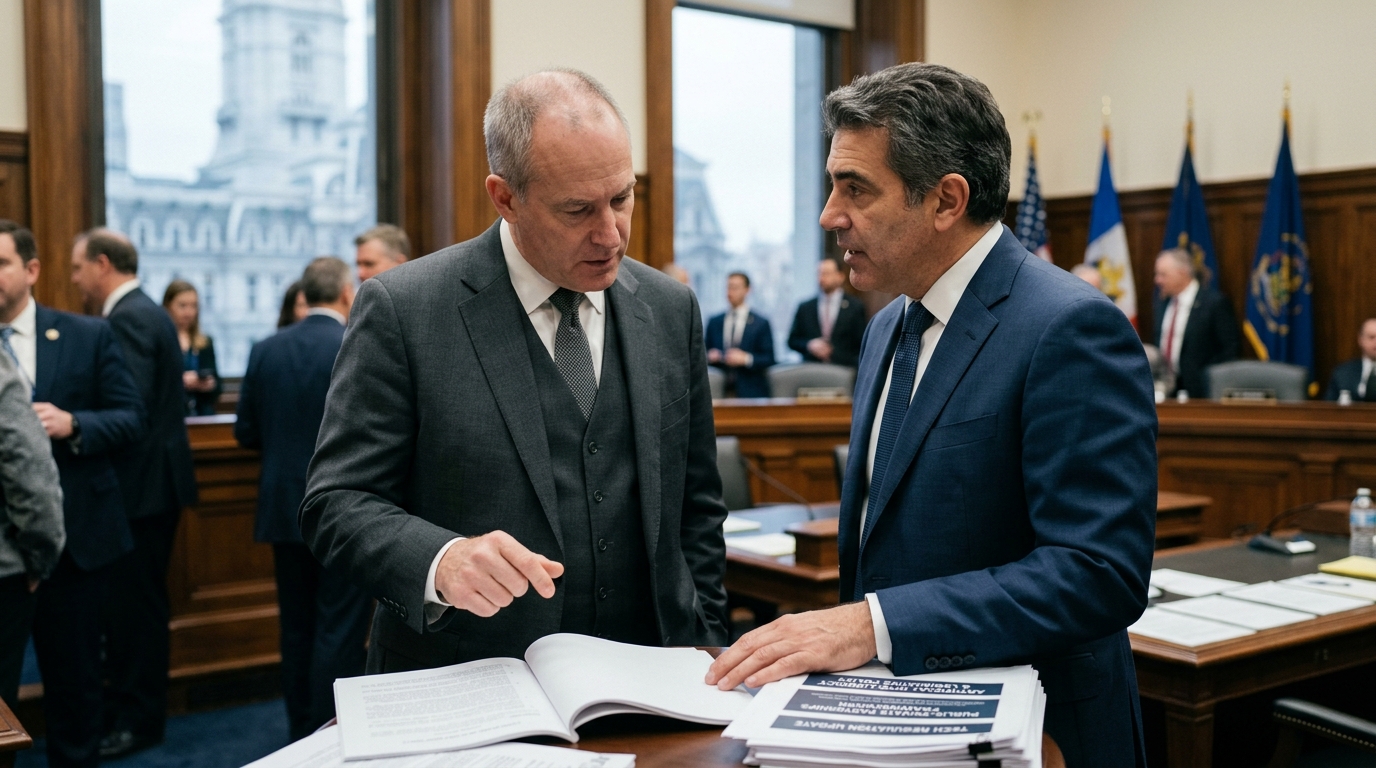
In the epicenter of the global technological landscape, a new political paradigm is emerging—one that could dictate the trajectory of Artificial Intelligence (AI) for decades to can. Evan Low, a prominent Silicon Valley lawmaker, is spearheading a movement that prioritizes strategic partnerships between the public and private sectors over the imposition of rigid regulatory frameworks. This approach, arriving at a pivotal moment for California, reflects the state’s existential struggle: how to safeguard the public interest without stifling the innovation that fuels its economic engine.
The Strategy of 'Soft Power' vs. Statutory Mandates
Low argues that heavy-handed legislation, such as the controversial Senate Bill 1047 aimed at AI model safety, risks acting as a deterrent for companies headquartered in San Jose and Palo Alto. Instead of the looming threat of sanctions, his proposal focuses on creating an ecosystem where AI firms voluntarily commit to safety standards in exchange for a more fluid relationship with regulators. This model of 'collaborative governance' is not entirely novel, but in the context of AI, it takes on unprecedented significance due to the sheer velocity of technological evolution.
According to Low, legislation is often a blunt instrument that fails to keep pace with the frontier of computer science. By the time a bill is debated, passed, and enacted, the specific technology it targets may already be obsolete. Partnerships, by contrast, allow for dynamic, real-time interventions where lawmakers and engineers sit at the same table to address risks ranging from deepfakes and algorithmic bias to systemic cybersecurity threats.
The Specter of Innovation Exodus
A primary driver for proponents of this partnership-first approach is the fear of a 'brain drain' or a corporate exodus to states with more permissive regulatory environments, such as Texas or Florida. California has already witnessed titans like Tesla and Oracle relocate significant portions of their operations. In the AI sector, where human capital and venture investment are hyper-mobile, this threat is perceived as both credible and imminent.
Critics of this stance, however, warn that voluntary commitments are often little more than 'smoke and mirrors.' They argue that without the teeth of legal consequences, corporations will invariably prioritize quarterly profits over ethical considerations and long-term societal safety. The history of social media, they contend, serves as a cautionary tale of what happens when technology is left to self-regulate: increased polarization, a mental health crisis among youth, and the erosion of democratic discourse.
The Clash with SB 1047 and the Future of Governance
Senate Bill 1047, introduced by Senator Scott Wiener, represents the ideological antithesis to Low’s approach. The bill mandates that developers of massive AI models conduct rigorous safety testing and incorporate a 'kill switch' for emergency scenarios. The resistance from Silicon Valley has been intense, with Low positioning himself as the voice of pragmatism—or the voice of the industry, depending on one’s perspective—within the state legislature.
The debate in California resonates far beyond its borders. As the world’s fifth-largest economy, California’s legislative decisions often become de facto national or even global standards—a phenomenon known as the 'California Effect.' If Low succeeds in cementing the partnership model, it could serve as a blueprint for how democracies globally manage AI: not as adversarial regulators, but as strategic stakeholders.
- Partnerships provide the agility that traditional legislation lacks in fast-moving sectors.
- The risk of AI firms leaving California is a primary political and economic lever.
- Self-regulation remains a deeply divisive issue for digital rights advocates.
- California’s policy direction acts as a global bellwether for AI governance.
In conclusion, Evan Low’s position highlights the delicate equilibrium required in the AI era. The challenge for lawmakers in 2026 is not merely to draft statutes but to comprehend the fluid nature of a technology that evolves faster than the ink can dry on a legislative page. Whether this partnership model succeeds or fails will determine if Silicon Valley remains the world’s laboratory for progress or becomes a 'digital Wild West' where the rules are written by those with the most computing power.