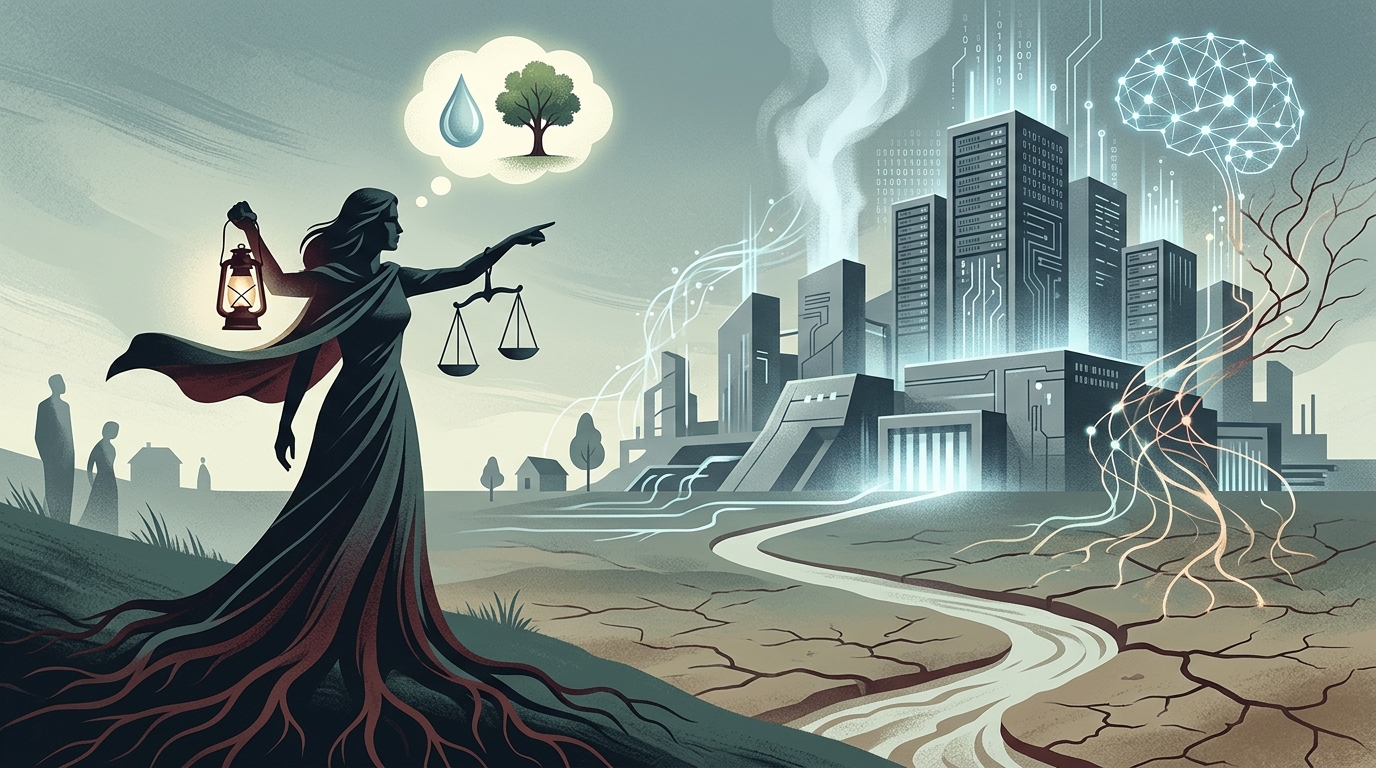
The era when the "social" in social media meant interaction between human beings seems to be coming to a definitive end. A recent report by U.S. News & World Report highlights a disturbing yet inevitable trend: the invasion of AI influencers. These are no longer crude digital avatars, but hyper-realistic entities generated by algorithms, possessing "personalities," "opinions," and, most importantly, millions of followers who are often unaware of their non-human nature.
The Economy of Fabricated Perfection
For major corporations and marketing departments, the AI influencer represents the "holy grail" of advertising. Unlike human creators, a digital model does not get tired, does not age, does not get involved in real-life scandals, and, crucially, follows brand instructions to the letter. The economic dimension is overwhelming: production costs for content drop dramatically, while control over the message becomes absolute.
- Zero risk to corporate reputation (reputation risk).
- 24/7 presence across multiple platforms simultaneously.
- Absolute adaptability to different markets and cultural contexts.
However, this "perfection" comes at a heavy price. The erosion of the concept of authenticity turns our newsfeeds into an endless window of illusions. When users, especially younger generations, compare their own imperfect lives with the algorithmically optimized daily existence of an AI model, the impact on mental health and self-image is unpredictable.
The Technology Behind the Deception
The evolution of Generative Adversarial Networks (GANs) and diffusion models now allows for the creation of images and videos that are impossible to distinguish from reality with the naked eye. These entities are not just static images. They possess AI-generated voices, participate in live streams, and respond to comments using sophisticated Large Language Models (LLMs). The interaction becomes so convincing that our brains struggle to maintain critical distance.
"We are no longer at the point of wondering if something is real, but at the point where truth no longer matters for the user experience," note digital culture analysts.
This shift reinforces the "Dead Internet Theory," which posits that most of the traffic and content on the web is now produced by bots for bots, with humans remaining mere spectators or consumers in a closed circuit of automated information.
Regulatory Framework and Ethical Dilemmas
The European Union, through the AI Act, is attempting to enforce transparency by requiring clear labeling of AI-generated content. However, implementing these rules globally remains a challenge. Platforms like Instagram and TikTok find themselves in a delicate balance: on one hand, they want to protect users, but on the other, AI models generate massive engagement and revenue.
The question raised is deeply political and social: Who owns the identity of these digital beings? When an AI influencer begins to express political views or promote social messages, who is hiding behind the keyboard? The potential for manipulating public opinion through armies of "perfect" digital citizens is a threat that democracy has not yet learned to face.
The Future of Human Creativity
Despite the invasion of the machines, there is an optimistic reading. The rise of the fake may lead to a new appreciation for the truly human. Imperfection, mistakes, spontaneous reactions, and shared human experience may become the new luxury goods in the digital economy. Creators who manage to build deep, honest relationships with their audience, based on vulnerability and truth, may be the only ones to survive the "plague" of algorithms.