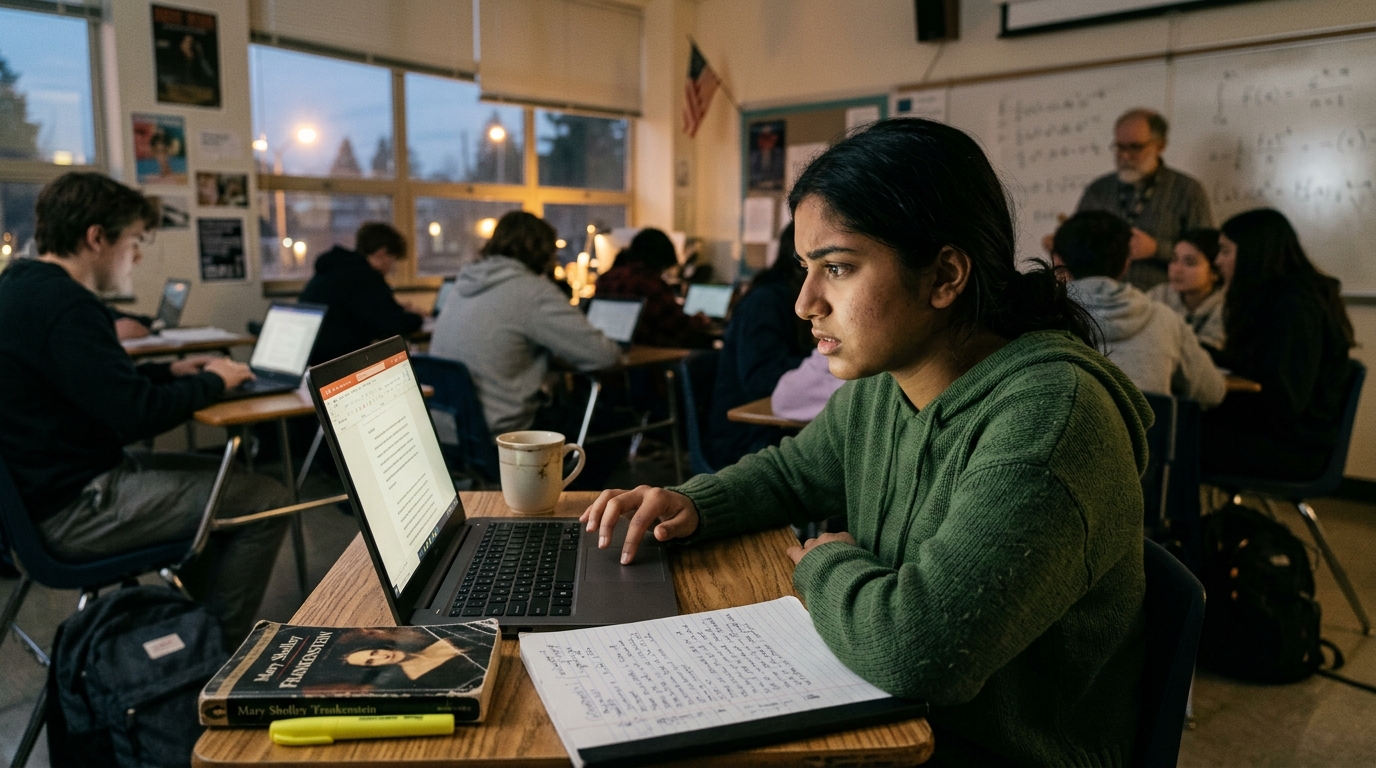
As of April 30, 2026, the global educational landscape stands at a definitive crossroads. Three years ago, the emergence of ChatGPT triggered an upheaval that many feared would permanently erode the foundations of the humanities. That prediction initially seemed to hold true: the classic "take-home essay" suffered a sudden death, as large language models (LLMs) proved capable of producing university-level prose in seconds. However, as a comprehensive analysis by The New York Times suggests, A.I. didn’t just kill student writing; it forced it to evolve into something more authentic, more challenging, and ultimately, more human.
The Collapse of the 'Standardized' Model
For decades, academic assessment relied on the student's ability to synthesize text in isolation. This model faced an existential crisis when text production became a zero-cost commodity. Educators found themselves inundated with perfectly structured, yet often hollow, essays. The initial reaction was one of panic and policing: A.I. detection software, campus-wide bans, and academic integrity hearings. But by 2025, it became clear that detection was a losing battle. A.I. had become embedded in the very fabric of writing tools—Word, Google Docs, and specialized research assistants—making the line between human and machine contribution functionally invisible.
The "murder" of student writing primarily targeted writing as a performance of compliance. When a student writes merely to satisfy a formal requirement, A.I. is the perfect accomplice. The issue wasn't the technology itself, but the fact that education had turned writing into a mechanical process of information regurgitation. A.I. simply exposed the vacuum of meaning in many traditional academic assignments.
The Revival: Writing as Process, Not Product
The revival we are witnessing today is rooted in a radical pedagogical shift. Many universities are returning to the roots of dialectics. Instead of grading the final paper, educators are now assessing the process of thought. This evolution includes:
- Oral Examinations (Vivas): Students are required to defend their ideas in person, proving that knowledge has been internalized rather than just generated.
- In-Class Writing: A return to pen and paper or secured digital environments where students must synthesize thoughts in real-time, without external assistance.
- A.I.-Collaborative Pedagogy: Rather than banning the tools, students are taught to use A.I. as a "Socratic interlocutor." The assignment isn't the final text, but the transcript of the dialogue with the machine and the student's critical analysis of the A.I.’s biases and errors.
Writing is reclaiming its role as a tool for thinking. As the NYT report highlights, "We don’t write to show what we have learned; we write to discover what we think." This distinction is what preserves the essence of education in the age of algorithms.
The Ethical and Social Divide
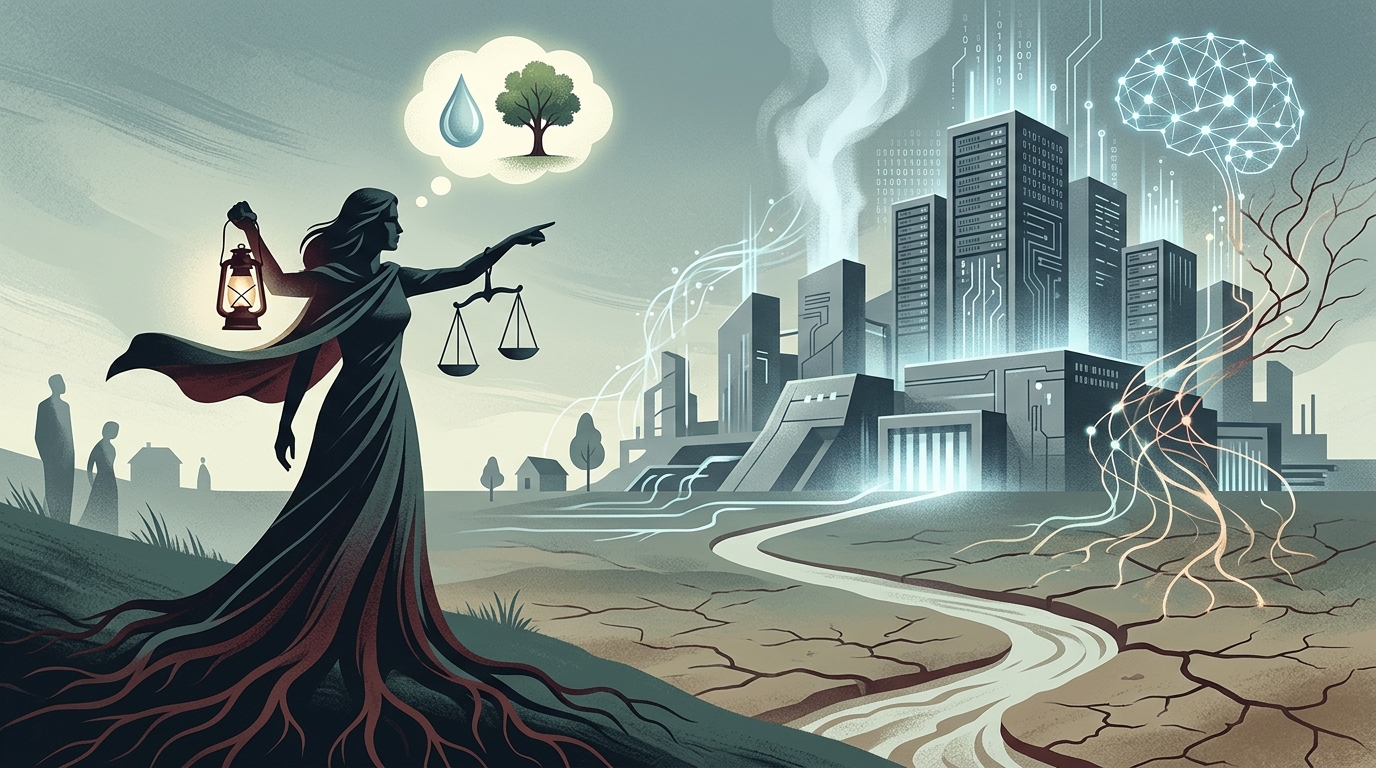
However, this new era brings its own set of inequalities. We risk a "two-tier education system": on one side, elite institutions offering high-touch, personalized instruction and oral assessments; on the other, underfunded public systems relying on A.I. for both instruction and grading, potentially trapping less-privileged students in a loop of automated mediocrity. The ethical challenge of 2026 is not whether to use A.I., but how to ensure that technology does not replace the development of a student's critical faculty.
"Artificial Intelligence is forcing us to be more human than ever, because anything that can be standardized can now be done by a machine."
In conclusion, the "killing" of traditional student writing was perhaps a necessary destruction. It has forced us to abandon rote memorization and formalistic output, refocusing education on its true purpose: the cultivation of an internal voice that no text generator can ever replicate.