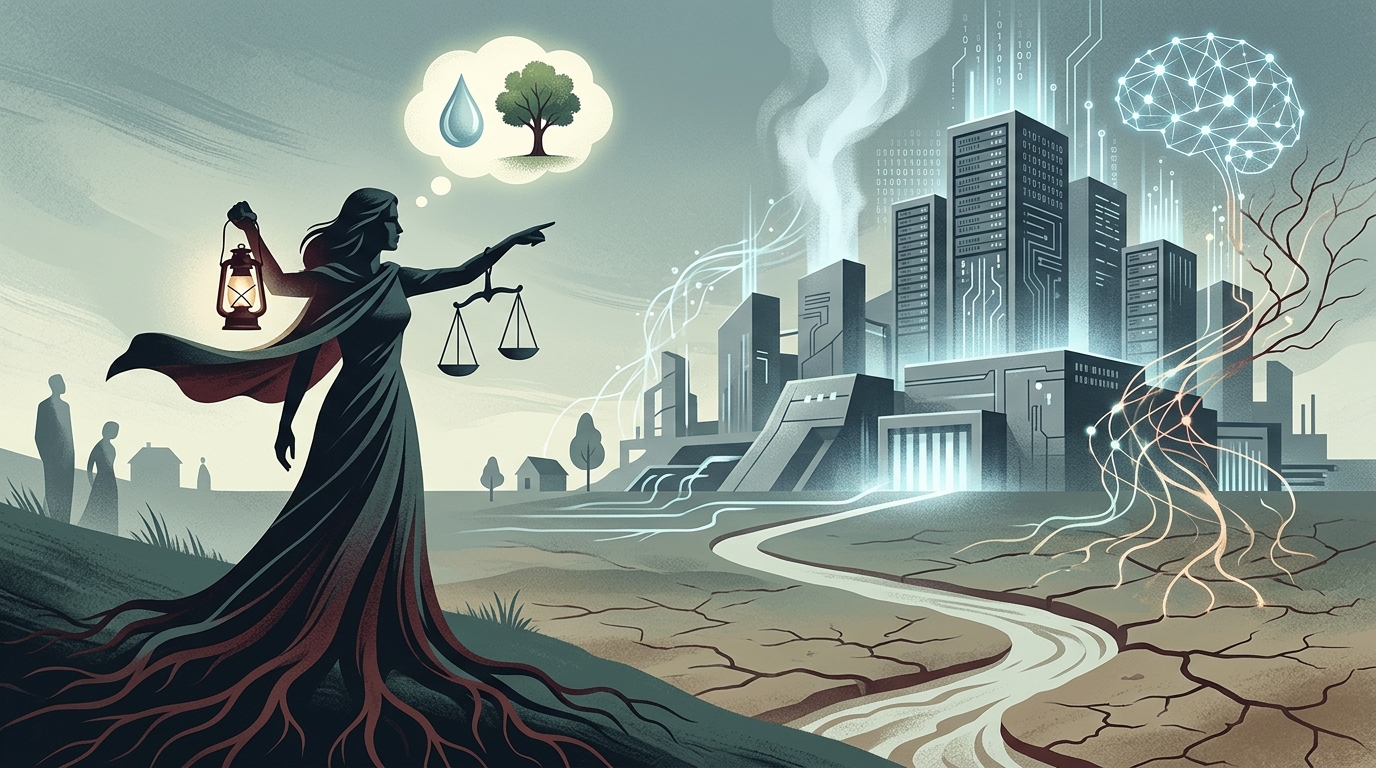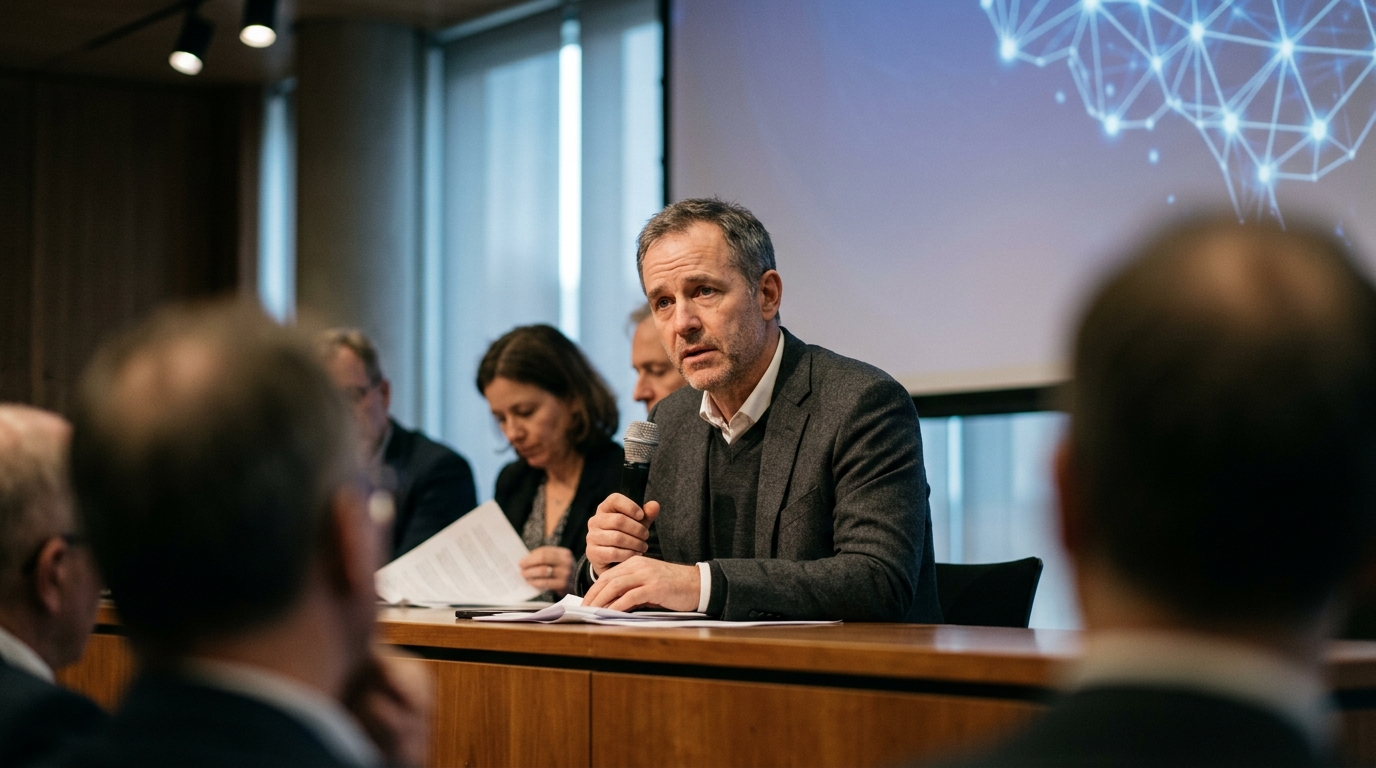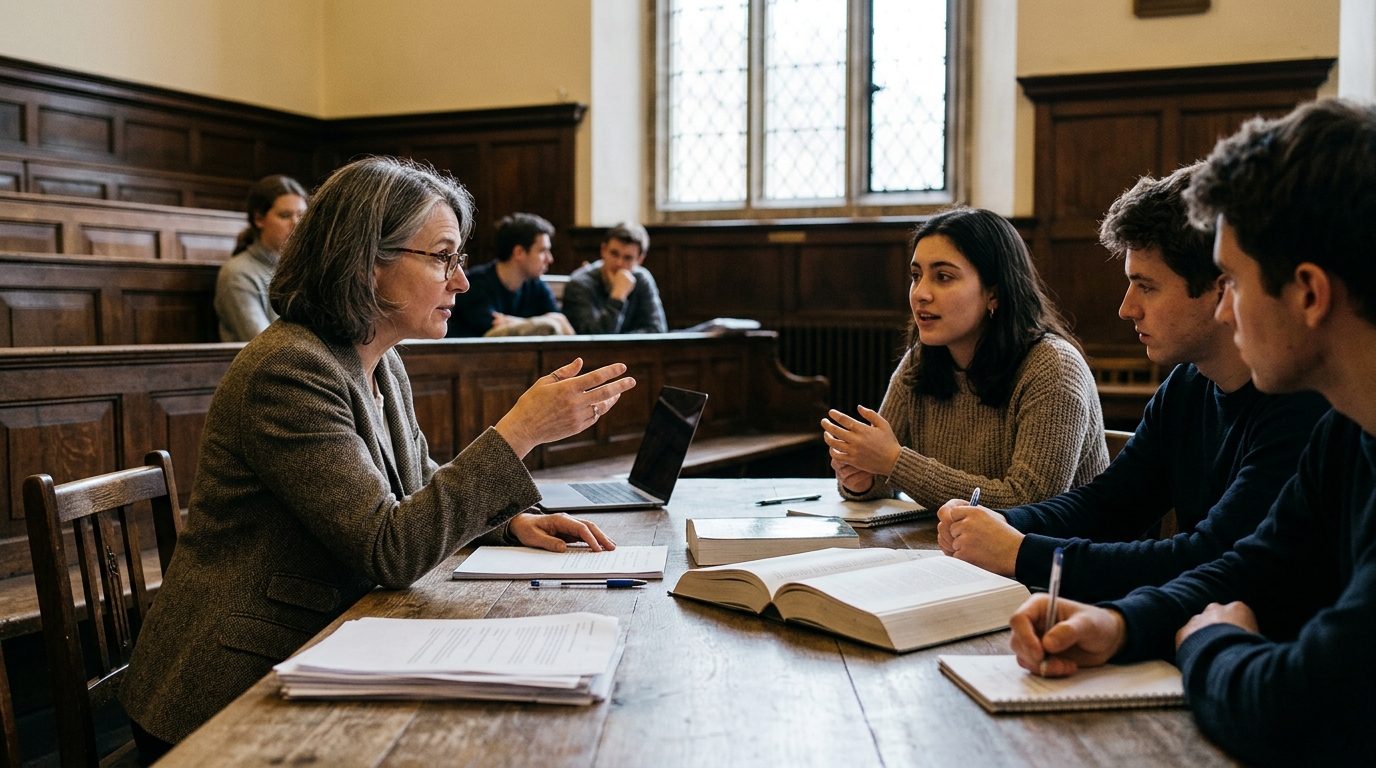
In an ironic twist of historical fate, the very technology that promised to propel education into the future is forcing it to seek refuge in the distant past. As we navigate 2026, the academic world finds itself in a state of perpetual upheaval. The ubiquitous availability of Generative AI models, capable of producing high-level essays in seconds, has shaken the foundations of assessment. According to recent reports from the Indianapolis Business Journal and other leading outlets, a growing trend is sweeping through U.S. colleges: the return of the viva voce, or oral examination.
The Collapse of the Written Essay
For decades, the written essay stood as the gold standard of humanities and social science education. It was the primary vehicle through which students demonstrated critical thinking and the ability to synthesize complex information. However, the advent of sophisticated Large Language Models (LLMs) has turned this process into a battle with no clear winner. AI detection tools, once hailed as the technological silver bullet, have proven unreliable, often producing false positives or failing to identify texts that have been lightly edited by human hands.
Professors in Indianapolis and across the nation report a sense of futility. "When I grade a paper, I don't know if I'm grading a student or an algorithm," says one philosophy professor. This erosion of trust has led to a re-evaluation of the oral exam—a method whose roots stretch back to Socrates and classical Athens, and which had remained alive primarily in doctoral defenses and elite European institutions like Oxford and Cambridge.
The Challenge of Scale and Equity
Despite its pedagogical advantages, the pivot toward oral exams is fraught with obstacles. The primary issue is scalability. In departments with hundreds of students, dedicating 20-30 minutes per individual requires immense resources in terms of time and personnel. Furthermore, significant ethical and equity concerns arise. Oral exams can inherently favor extroverted students or those who are native English speakers, while potentially causing functional paralysis in students with social anxiety or neurodivergent profiles.
- Subjectivity: The risk of unconscious bias on the part of the examiner is heightened in a live, face-to-face interaction.
- Performance Anxiety: The pressure of the moment can prevent an otherwise well-prepared student from performing accurately.
- Documentation: The need for recording or the presence of a second examiner for transparency increases administrative overhead.
However, proponents argue that these challenges are manageable compared to the alternative: the total devaluation of university degrees. The oral exam forces the student to "embody" their knowledge, to defend it, and to prove that the learning process was internal rather than the result of a clever prompt on a screen.
Ethics and the Future of Learning
This shift highlights a deeper ethical crisis in education. Artificial Intelligence didn't just steal the homework; it stole the incentive for authentic intellectual effort. If the purpose of education is merely the production of a "product" (the essay), then AI has already won. But if the purpose is the formation of character and cognitive rigor, then human contact becomes indispensable once again.
"The oral exam is not a punishment for the existence of AI; it is a return to the human connection that constitutes the core of education," notes the Indianapolis Business Journal report.
In the coming years, we are likely to see a hybrid model emerge. Students may use AI as a research assistant or a drafting tool, but the final assessment will increasingly involve a live dialogue. This could lead to a more holistic approach, where communication skills and immediate knowledge recall are valued as much as analytical writing. Ethically, this requires universities to invest more in teaching staff and less in technological surveillance infrastructures—a shift many argue is long overdue.
Conclusion: Putting the Human Back in the Center
The crisis AI has triggered in education may prove to be its greatest opportunity. By forcing us to abandon automated and impersonal grading methods, it returns us to the essence of teaching: the dialogue. As colleges in Indianapolis and beyond experiment with these "new-old" methods, the stake is not merely the prevention of cheating, but the preservation of the very concept of learning in a world increasingly dominated by synthetic intelligence.