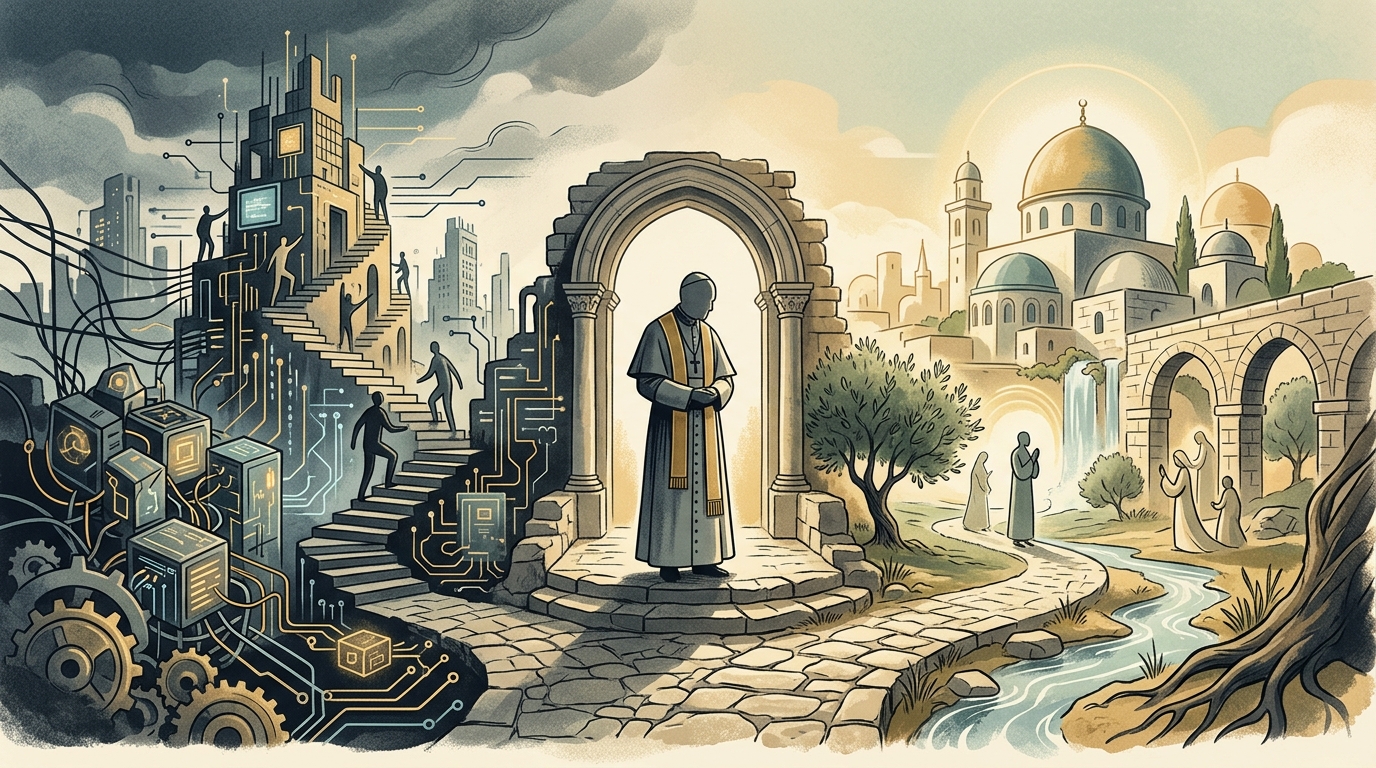
In an era where technological progress seems to outpace human capacity for assimilation, the Catholic Church's intervention poses the most fundamental question: What is the place of the soul within the code? The recent opinion piece in The Washington Post, analyzing the positions of Pope Leo (a name carrying the weight of both tradition and reform), presents Artificial Intelligence not merely as a productivity tool, but as an existential crusade. The choice between Babel and Jerusalem is not just a religious metaphor; it is a roadmap for the future of our species.
The Modern Babel: The Hubris of the Algorithm
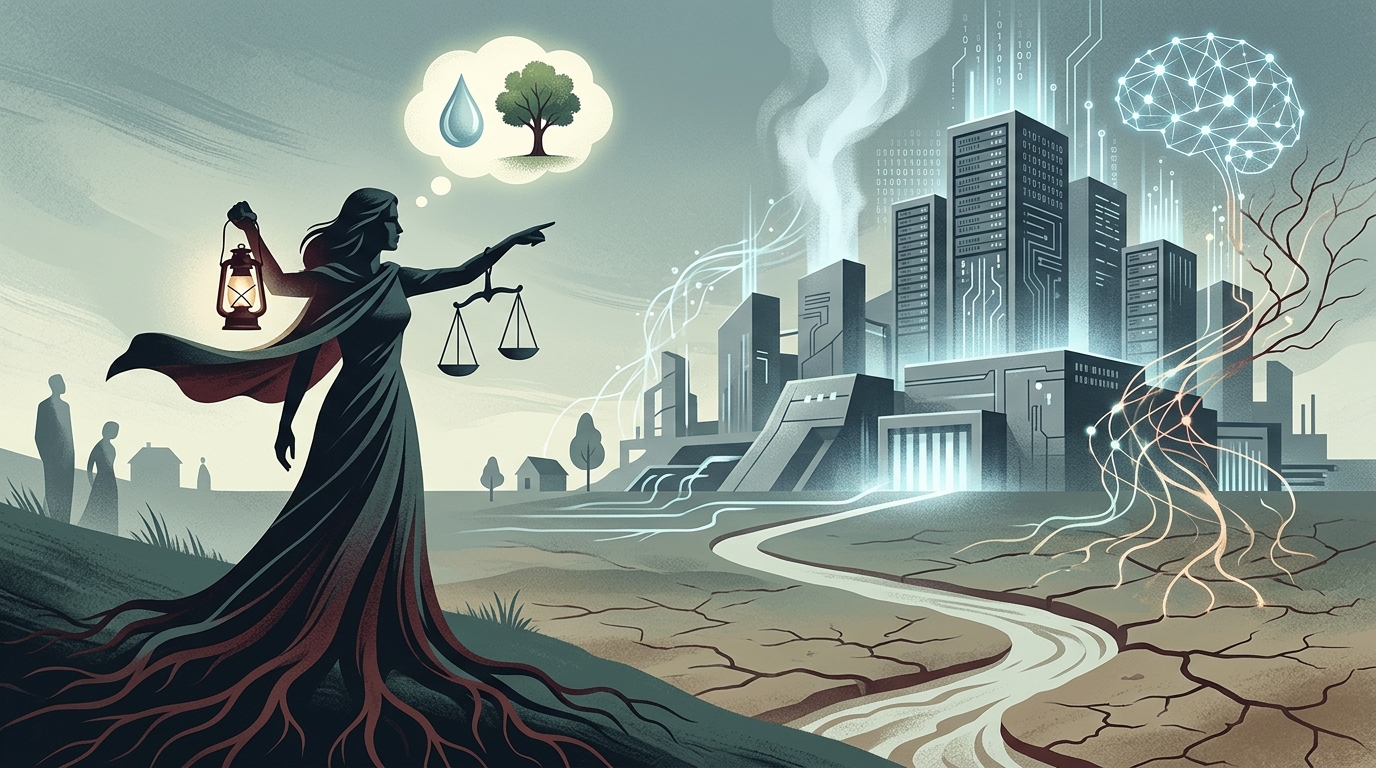
Pope Leo uses the imagery of the Tower of Babel to describe a world where technology is used to raise walls instead of building bridges. In the biblical narrative, Babel represents human hubris—man's attempt to reach the heavens by his own power, which resulted in the confusion of tongues and fragmentation. Today, Artificial Intelligence risks becoming our own Babel. As highlighted in the analysis, algorithms that create echo chambers, misinformation that erodes our shared reality, and the concentration of knowledge in a few hands represent the modern form of linguistic confusion.
- The loss of shared truth through deepfakes and AI-generated propaganda.
- The alienation of the individual from social interaction in favor of digital isolation.
- The worship of efficiency at the expense of human dignity.
The Pope warns that if AI remains a tool for dominance and profit, it will inevitably lead to a society where humans speak the same technical language but no longer understand each other's hearts. The "Babel" of AI is the promise of a false deity offering power without responsibility.
Jerusalem: The Vision of "Algor-ethics"
Against the nightmare of Babel, the Pope contrasts the vision of Jerusalem—not as a geographical point, but as a symbol of spiritual unity and peaceful coexistence. Here, the concept of "algor-ethics" is introduced, a term the Vatican has systematically promoted in recent years. The Jerusalem of AI is a world where technology is used to eradicate poverty, heal diseases, and protect our common home, the planet.
"Technology is a gift from God, but it must remain in the service of man, not become his master," the text states, echoing concerns about the loss of human control.
In this context, Artificial Intelligence can function as a "complementary mind" that helps humanity solve problems that previously seemed insurmountable. The difference lies in the intention. Jerusalem requires a technology that respects the sanctity of human life and promotes justice, ensuring that the fruits of AI do not belong only to a technological elite but to the entire human family.
The Human Condition in the Age of Machines
The most poignant part of the analysis concerns human nature itself. If a machine can write poetry, paint, and make life-and-death decisions, what makes us unique? Pope Leo argues that our humanity lies not in logical processing—where machines excel—but in our capacity for sacrifice, empathy, and spiritual quest. AI has no "soul" because it cannot feel the pain of loss or the joy of redemption.
The challenge for 2026 and beyond is to not allow AI to define our value. If we begin to see ourselves as mere "data" to be processed, then we have already lost the battle. The Church calls for a new "humanistic renaissance," where technology will be the brush, but the human will remain the artist. The choice between Babel and Jerusalem is ultimately a choice between the idolatry of the machine and respect for the Creator and the creation.
Conclusion: A Code with a Moral Compass
In conclusion, the Washington Post article emphasizes that the discussion about AI is actually a discussion about what kind of world we want to leave behind. Pope Leo does not reject technology; he calls it to repentance. "Algor-ethics" must be integrated into the very code of the systems, ensuring that justice and love are not optional features but the foundation stones of our digital architecture. The distance between Babel and Jerusalem is the distance our heart travels when it chooses community over dominance.