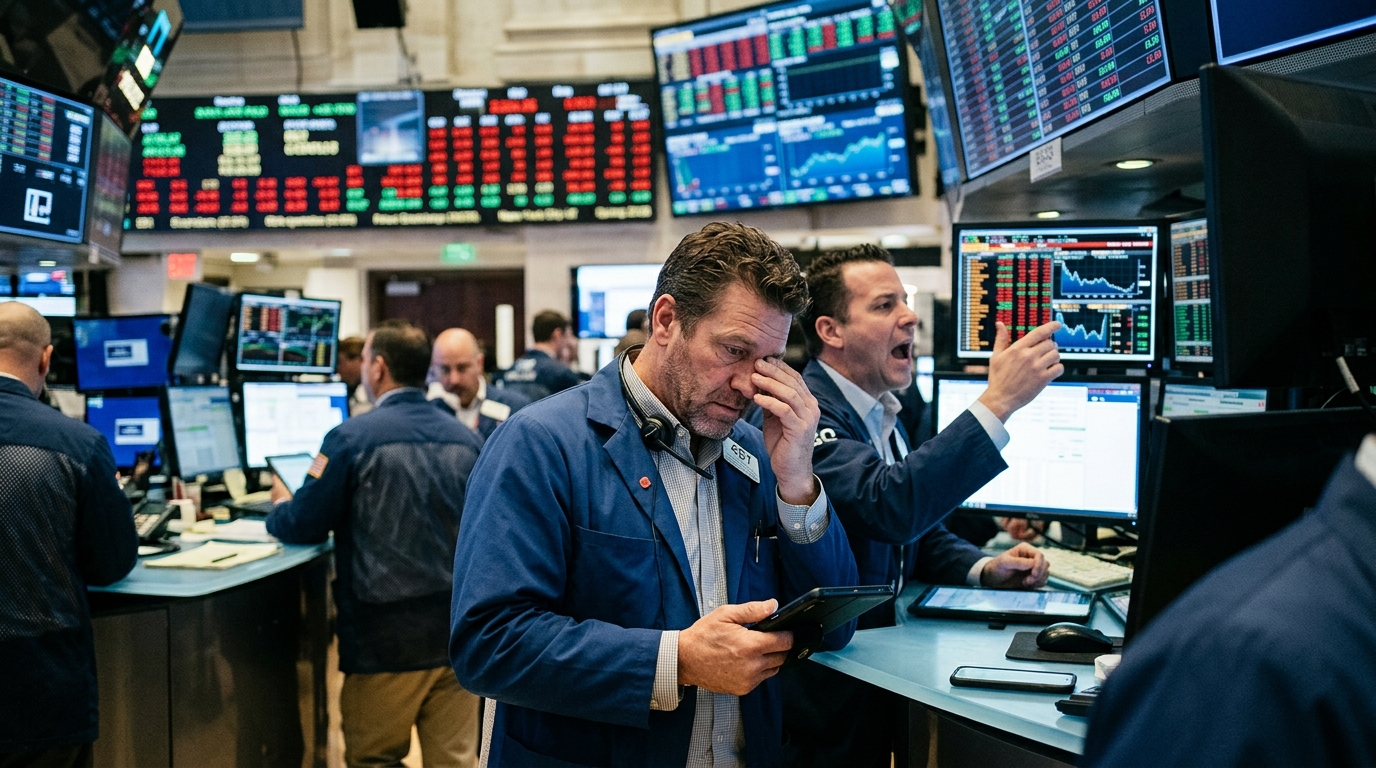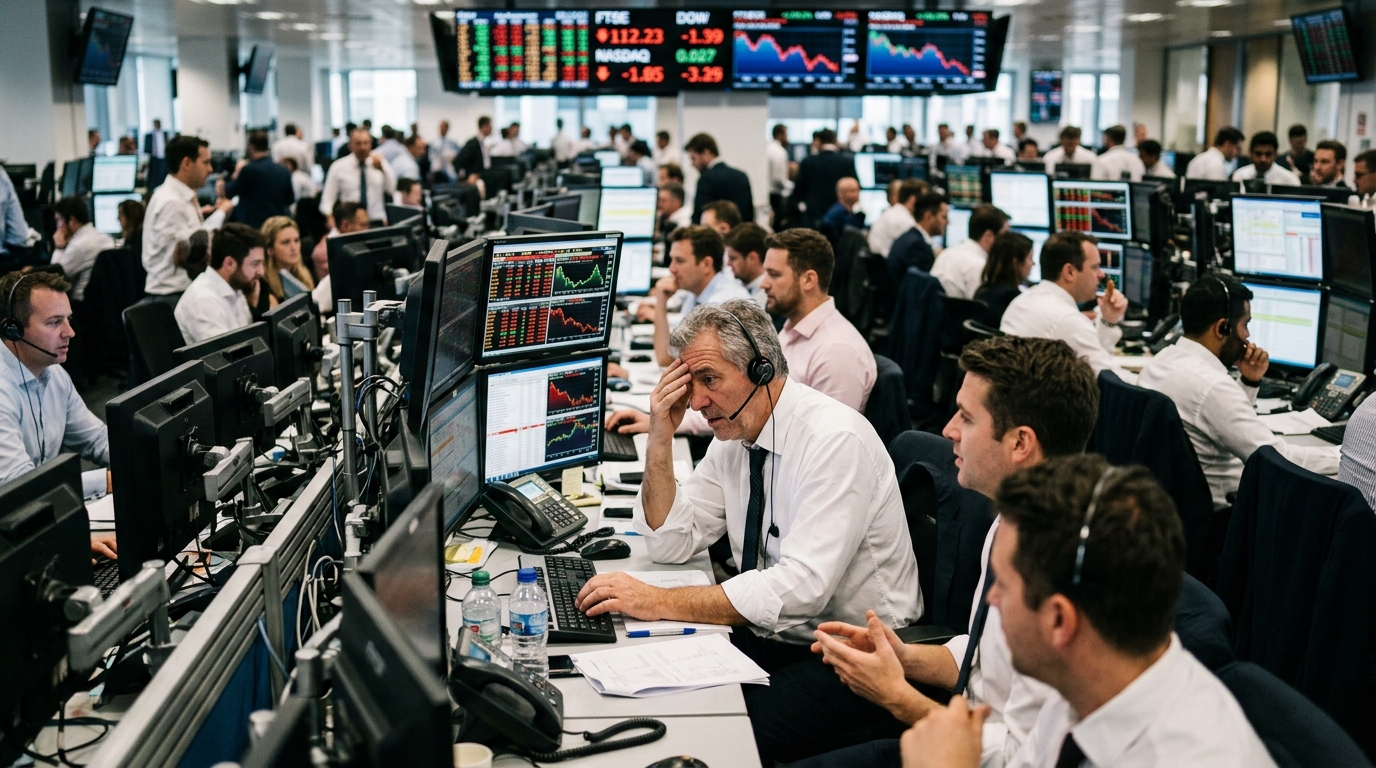
The history of financial markets is punctuated by periods of irrational exuberance followed by sharp corrections. From the Tulip Mania of the 17th century to the dot-com bubble at the turn of the millennium, the pattern remains consistent: a transformative technology promises to reshape the world, capital flows in unchecked, valuations decouple from fundamentals, and eventually, reality reasserts itself with force. Today, in May 2026, we stand at a critical juncture where Artificial Intelligence (AI) must prove whether it is the engine of a new industrial revolution or the largest financial bubble of the 21st century.
The Anatomy of an Illusion?
The surge in AI-related stocks has been nothing short of meteoric. Companies like Nvidia, Microsoft, and Alphabet have seen their market capitalizations swell to dizzying heights. However, the anxiety increasingly voiced by financial analysts and institutional investors concerns the gap between capital expenditure (CapEx) and actual revenue. Tech giants are investing hundreds of billions of dollars in data center infrastructure and next-generation chips, yet enterprise and consumer adoption has not yet yielded proportional returns.
The problem lies in scalability. While training Large Language Models (LLMs) requires immense resources, their commercial monetization remains largely experimental. Many companies are using AI for internal productivity gains, but few have managed to create new, sustainable revenue streams that justify current stock prices. This asymmetry strongly echoes the 1998-1999 period, when internet infrastructure was being built at a breakneck pace, but the applications that would make it profitable were still a decade away.
The Cost Factor and the Energy Crisis
One of the needles that could pop this bubble is operating cost. AI is not just expensive to develop; it is exceptionally energy-intensive. As governments push for a green transition, the cost of electricity required to run AI servers is climbing. Analysts point out that unless the cost per query decreases dramatically, the business models of many AI startups will collapse. Furthermore, the shortage of specialized talent is leading to a wage war that further burdens corporate balance sheets.
"We are not just facing a technological challenge, but a test of capitalist patience. Markets will not wait forever for profitability," Wall Street insiders note.
Geopolitics and the Regulatory Landscape
Beyond financial metrics, the risk of a bubble is amplified by an uncertain regulatory environment. The European Union and the U.S. are tightening rules on data protection and intellectual property. If AI companies are forced to pay exorbitant fees for training data or face restrictions on product deployment due to ethical concerns, growth forecasts for the sector will need to be revised downward. Geopolitical tensions, particularly in the semiconductor sector, add another layer of risk; a potential disruption in the Taiwanese supply chain could paralyze the entire AI ecosystem overnight.
Conclusion: Toward a 'Great Shakeout'?
It is likely that we won't see a total collapse, but rather a 'Great Shakeout.' Companies with genuine value and strong balance sheets will survive, while the 'AI tourists' who relied solely on hype will vanish. For investors, the current period demands composure and a focus on fundamentals. Artificial Intelligence is here to stay, but the road to universal adoption and profitability may be much longer and bumpier than today's stock market tickers suggest.