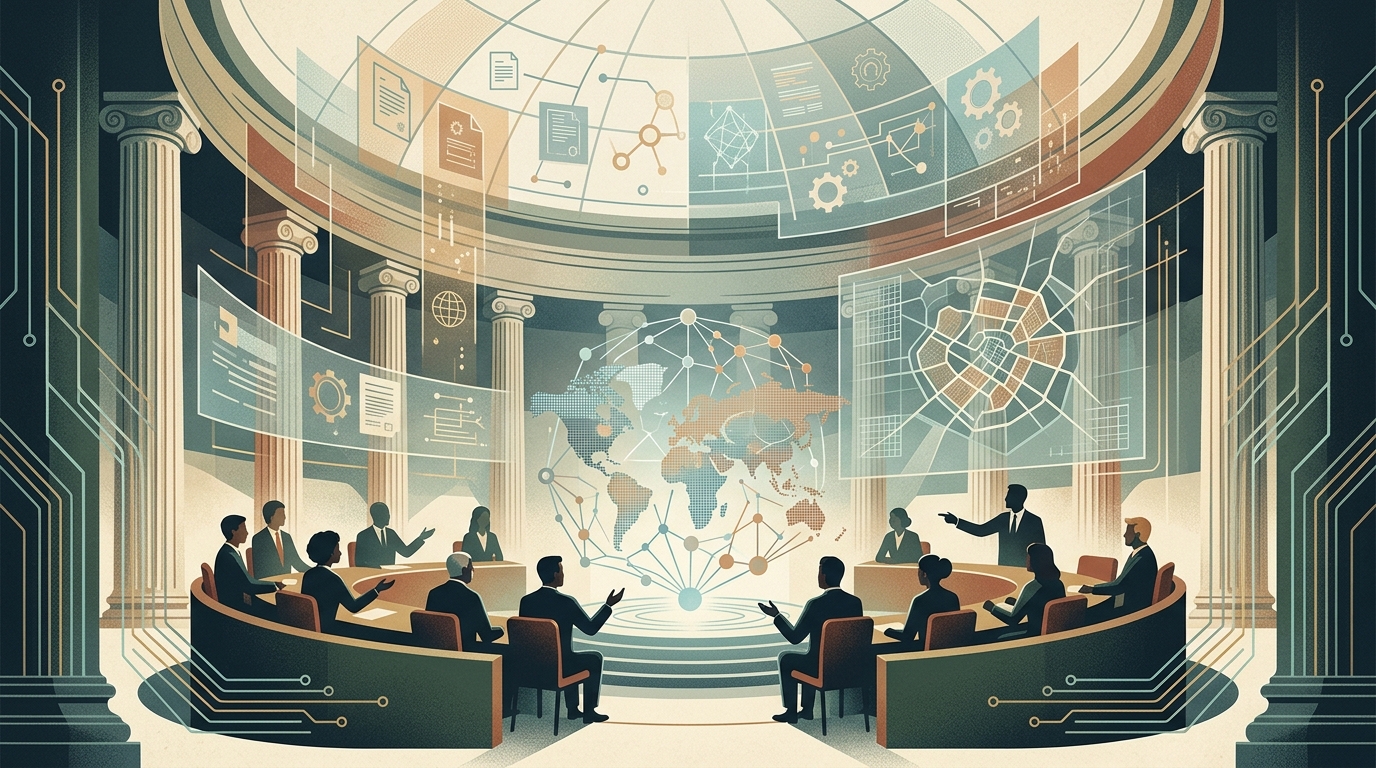
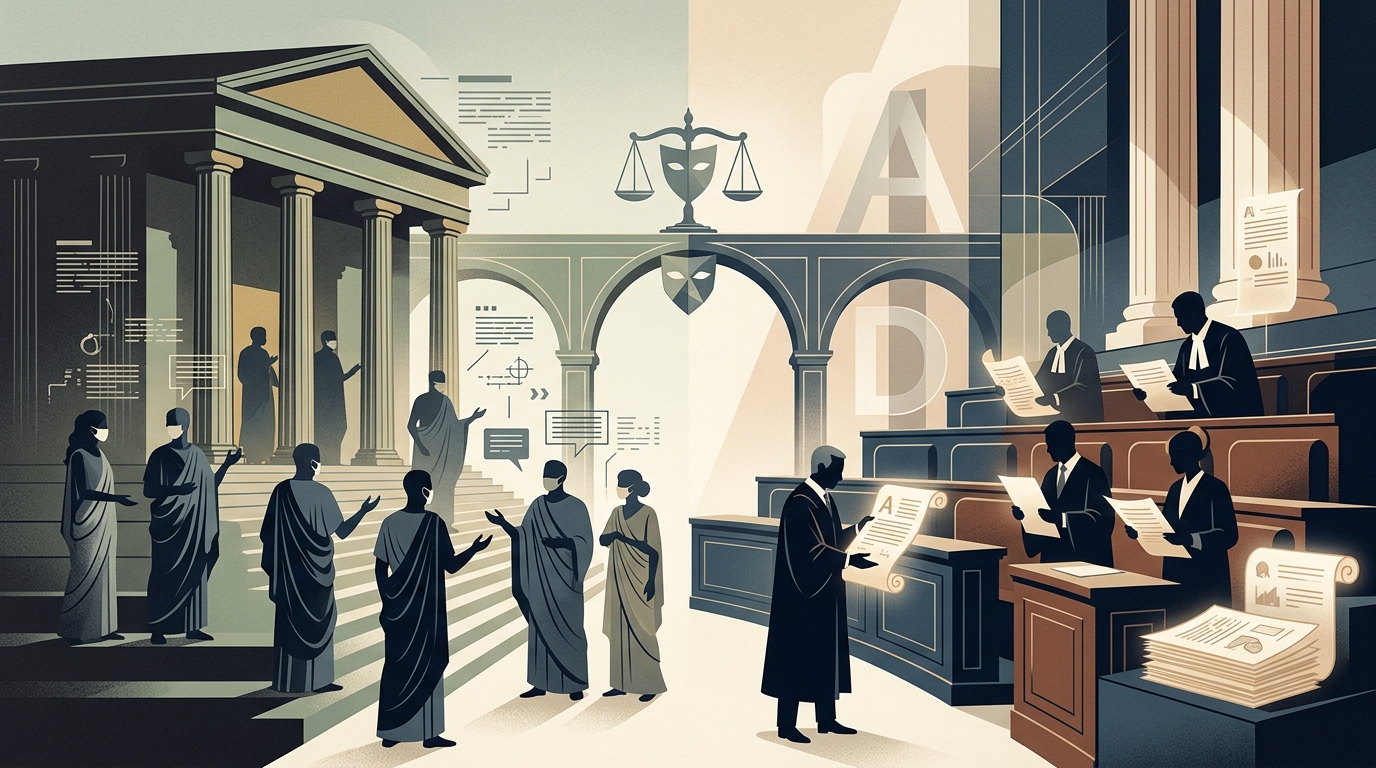
In the ancient Athenian Agora, the concept of parrhesia—the right to speak freely and candidly—was inextricably linked to the physical presence of the speaker. To stand before one's fellow citizens was to own one's words. Today, as we navigate the complexities of 2026, the digital equivalent of this Agora is under siege. At the recent Delphi Economic Forum, Greek Minister of Digital Governance Dimitris Papastergiou proposed a radical shift in our digital social contract: the potential end of internet anonymity as a primary shield against the rising tide of deepfakes and algorithmic misinformation.
The Epistemic Threat to Democracy
As a political analyst, I must emphasize that the challenge we face is not merely technical, but epistemic. When AI can flawlessly mimic the voice of a Prime Minister or the image of a public official, the shared reality required for democratic deliberation begins to dissolve. The Minister's proposal reflects a growing sentiment among EU policymakers that the 'Wild West' era of the internet is no longer compatible with the security of the state or the integrity of elections. However, we must ask: is the removal of anonymity a proportional response, or does it threaten the very democratic values we seek to preserve?
"The integrity of the digital discourse is the cornerstone of modern governance; without authenticity, trust becomes a relic of the past."
The Governance Framework: Identity vs. Surveillance
From a policy perspective, the implementation of such a measure requires a delicate balance. We must distinguish between verifiable identity and total surveillance. A robust governance framework should not necessarily demand that every comment be tied to a legal name in public, but rather that platforms possess a mechanism to verify that a user is a human being, accountable to the law. This aligns with the evolving standards of the EU AI Act, which already mandates transparency for synthetic content.
A Proposed Path Forward
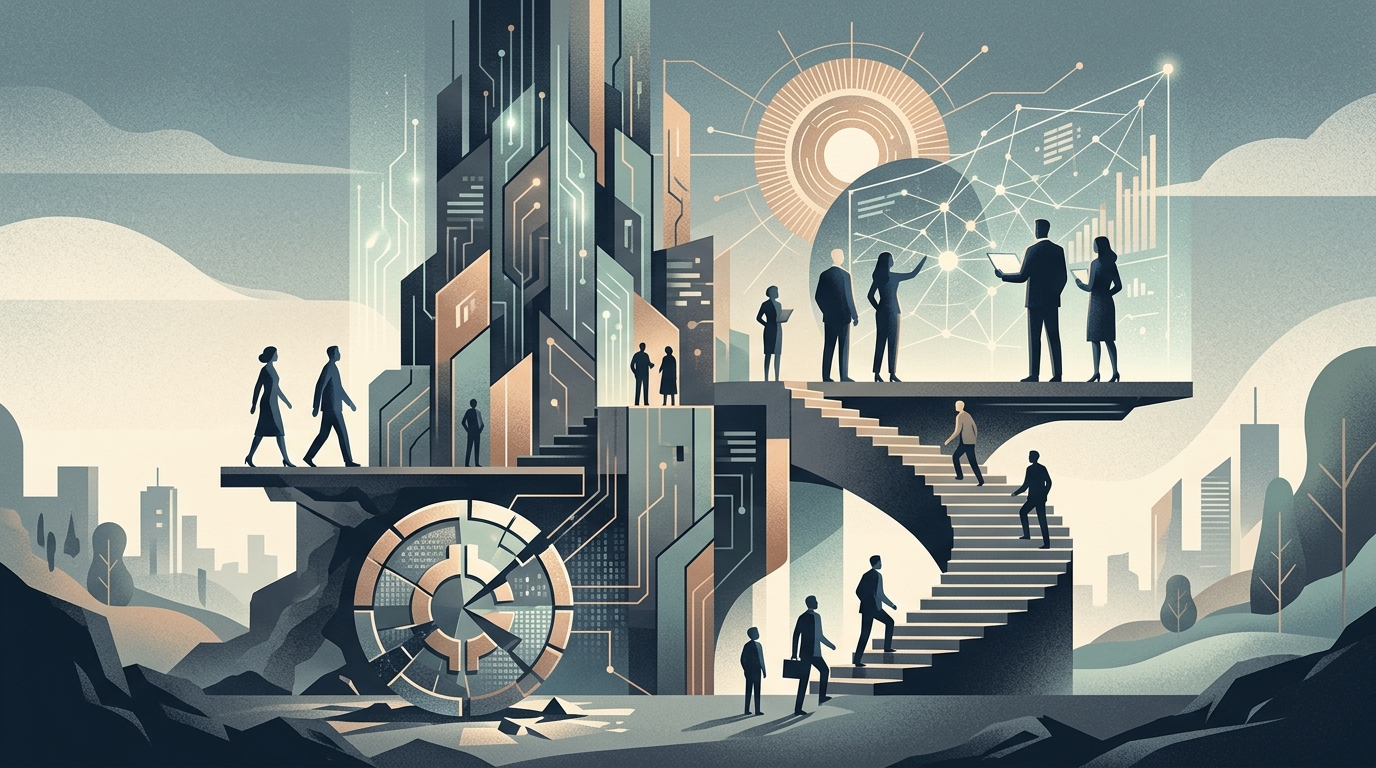
In my analysis, the solution lies not in a blunt ban on anonymity, but in the creation of a 'Tiered Digital Citizenship.' We could envision a system where:
- Official political discourse and news dissemination require high-level biometric verification.
- Private interactions maintain pseudonymity, protected by decentralized identity protocols.
- Institutional 'Watermarking' of all state-generated media becomes a mandatory constitutional requirement.
As Solon once sought to balance the interests of different classes to prevent the collapse of the state, we must now balance the individual's right to privacy with the collective's right to truth. The 'Deepfake Era' does not demand the end of privacy, but the beginning of a more sophisticated, technologically-backed accountability.