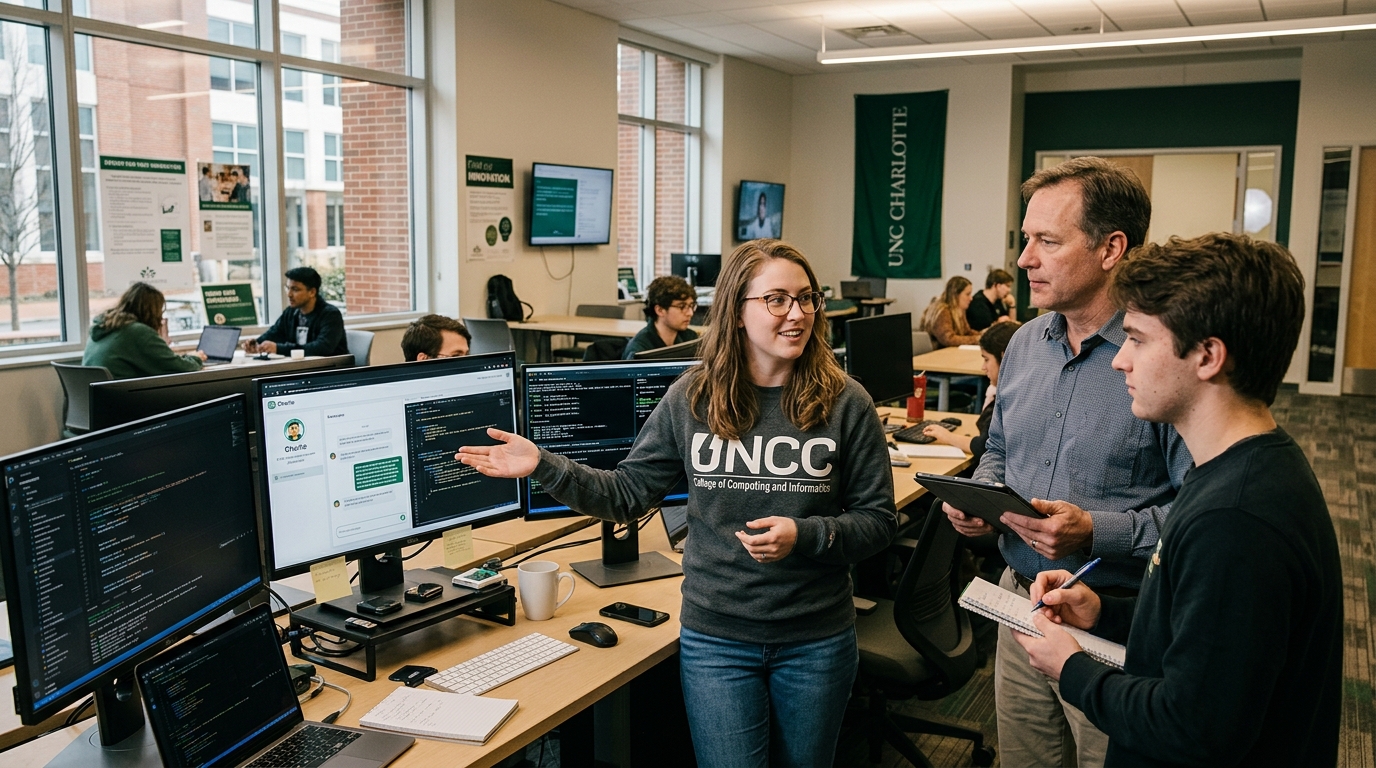
In an era where instant gratification is no longer a luxury but a baseline expectation, the University of North Carolina at Charlotte (UNC Charlotte) is taking a decisive step toward the future of campus administration. The introduction of "Charlie," a sophisticated AI chatbot, marks a new chapter in student technical support, promising to eliminate wait times and modernize the institution's digital infrastructure.
The Digital Transformation of Campus Life
The daily life of a modern student is inextricably linked to technology. From accessing learning management systems like Canvas to connecting to campus Wi-Fi and managing complex authentication protocols, technical glitches can pose significant hurdles to academic success. Historically, resolving these issues relied on traditional help desks, which often became bottlenecks during peak periods like the start of a semester or finals week.
Charlie is far more than a simple decision-tree bot. Powered by advanced Natural Language Processing (NLP), it is designed to understand the nuances of user queries and provide context-aware solutions in real-time. This initiative by the university’s OneIT department aims to offload "Tier 1" support tasks—repetitive, common questions—allowing human technicians to focus on complex infrastructure projects and high-level security issues.
Beyond Conventional Automated Responses
What sets Charlie apart from previous generations of automated systems is its deep integration with the university’s proprietary knowledge base. It can guide a student through step-by-step software installations, explain network security policies, or assist in recovering locked accounts. Its 24/7 availability removes the constraints of traditional business hours, providing a critical safety net for night-owl students or those enrolled in distance learning programs across different time zones.
- Instant troubleshooting for Wi-Fi and connectivity issues.
- Automated, secure password reset procedures.
- Comprehensive guides for campus-wide printing and hardware resources.
- Seamless integration with university authentication for verified support.
Challenges, Ethics, and the Road Ahead
Despite the clear efficiency gains, the deployment of AI in higher education is not without its complexities. Data privacy remains a paramount concern. UNC Charlotte has emphasized that Charlie operates within a secure, sandboxed environment where student interactions are encrypted and not used to train external, third-party AI models. Furthermore, the risk of AI "hallucinations"—where a system might confidently provide incorrect technical advice—is a challenge that requires constant monitoring and fine-tuning of the underlying model.
"AI isn't here to replace our staff; it’s here to empower them to be more effective," noted representatives from the OneIT department.
UNC Charlotte’s move reflects a broader trend among major research universities serving as testing grounds for AI in administrative roles. As the technology matures, we may see Charlie transition into a more proactive role—perhaps alerting students to scheduled maintenance before it affects them or providing personalized cybersecurity hygiene tips based on emerging digital threats.
Conclusion
Charlie represents more than just a technical fix; it is a symbol of a paradigm shift in how educational institutions perceive service delivery. In a world moving at the speed of light, an organization’s ability to provide immediate, accurate, and accessible support through technology will be the cornerstone of academic excellence and student satisfaction in the 21st century.