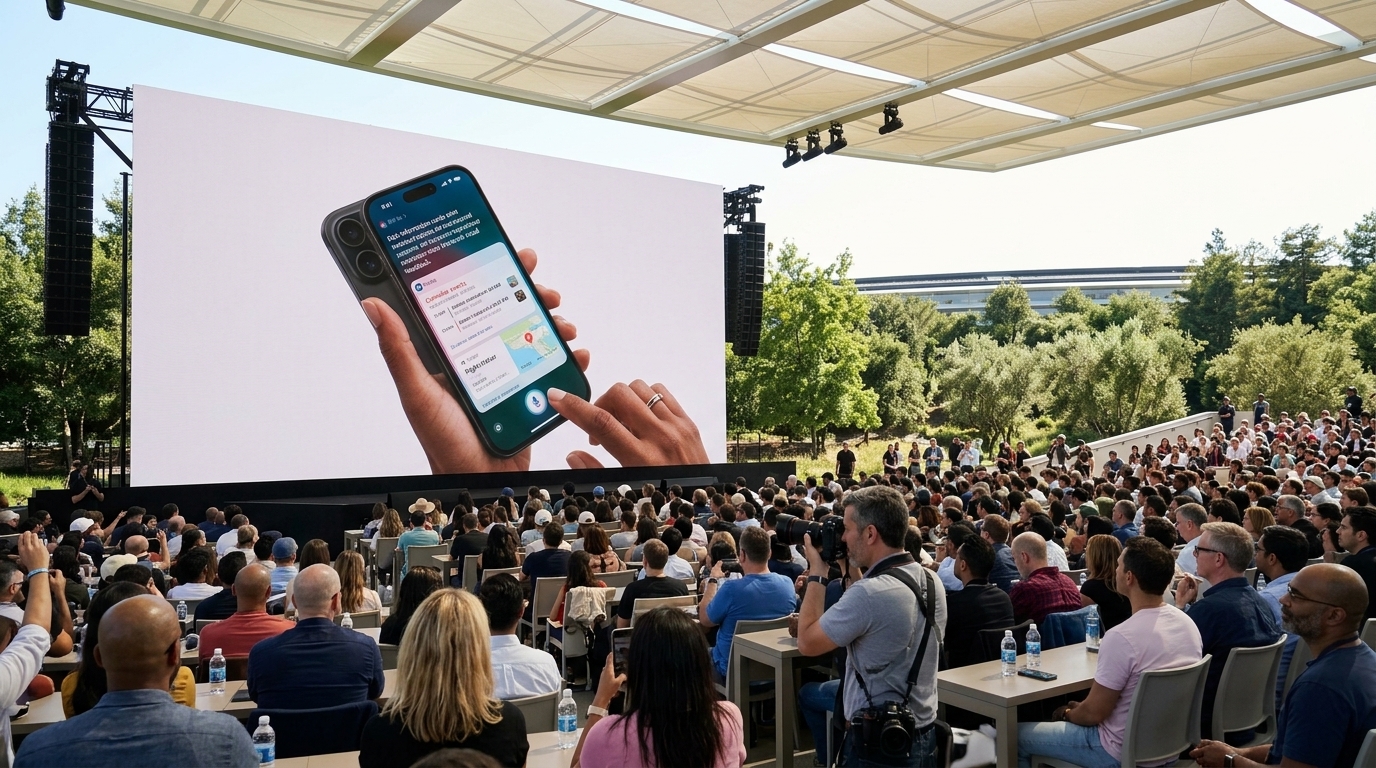
The era when planning a trip required dozens of open browser tabs, endless hours of reading reviews, and constant price comparisons is drawing to a close. As we move through 2026, Artificial Intelligence (AI) is no longer just a search tool but a sophisticated digital concierge that understands our desires before we even articulate them. The transition from traditional tourism to 'smart' tourism is radically altering the structure of the travel industry, affecting everything from airline bookings to the discovery of hidden local gems.
The Digital Concierge: Personalization Without Limits
The fundamental difference between old search engines and today's AI models lies in synthetic capability. While Google or Expedia gave us a list of results, modern AI agents create a complete narrative. A traveler can now ask: "Plan a seven-day trip to Vietnam for me that combines street food, historical monuments, and sustainable accommodation, with a budget of 2,000 euros, avoiding overly touristy areas." The AI won't just return links but a full, optimized itinerary with bookings handled automatically.
This hyper-personalization is based on the analysis of vast amounts of data in real-time. AI systems take into account weather conditions, local festivals, and even current fuel prices to suggest the ideal route. Furthermore, multimodality allows users to upload a photo from Instagram and ask the AI to find the exact spot, check availability in nearby hotels, and suggest the best way to get there.
Dynamic Management and the Death of the Unexpected
One of the traveler's greatest anxieties is managing the unexpected. Here, Artificial Intelligence acts as a vigilant guardian. New flight management systems use predictive models to forecast delays due to weather or technical issues hours before they occur. In the event of a cancellation, the AI can automatically rebook the next available flight and inform the hotel of the late arrival, without the traveler having to wait in customer service queues.
- Automatic itinerary adjustment in case of bad weather.
- Real-time voice translation in local dialects for easier communication.
- Dynamic pricing that benefits the consumer by predicting price drops.
- Virtual tours (VR/AR) of attractions before the visit.
This 'logistics of spontaneity' allows travelers to be bolder. When you know technology can fix a routing error or find an alternative in seconds, exploration becomes less daunting and more enjoyable.
The Cultural Dimension: Discovery or Standardization?
However, there is a counter-argument. Many analysts worry that the dominance of algorithms in tourism could lead to a 'Disneyfication' of the world. If AI suggests the same 'hidden gems' to everyone because they have the best reviews, those places will soon cease to be authentic. The risk of homogenization is real, as algorithms tend to favor safety and confirmed satisfaction over the true risk of discovery.
"Technology should be the compass, not the destination. The challenge for AI is to help us get off the beaten path, not to create a new, digital beaten path."
Nevertheless, AI also has the potential to promote sustainable tourism. By analyzing tourist flows, it can direct travelers to less crowded areas, helping to combat overtourism in cities like Venice or Santorini. In this way, technology becomes a tool for protecting cultural heritage and the local economy.
Ethical Dilemmas and the Future of the Industry
The rise of AI in tourism brings serious questions about privacy to the fore. To offer the perfect experience, AI must know our preferences, our financial situation, and our habits. Where does service end and surveillance begin? Furthermore, automation threatens thousands of jobs in traditional travel agencies, forcing industry professionals to transform into 'experience consultants' rather than simple booking agents.
In conclusion, Artificial Intelligence isn't just changing how we book a ticket. It's changing our relationship with the unknown. As machines take over the burden of administrative logistics, humans are left free to focus on the essence of travel: connecting with new people, engaging with different cultures, and the personal growth that wandering the planet offers.