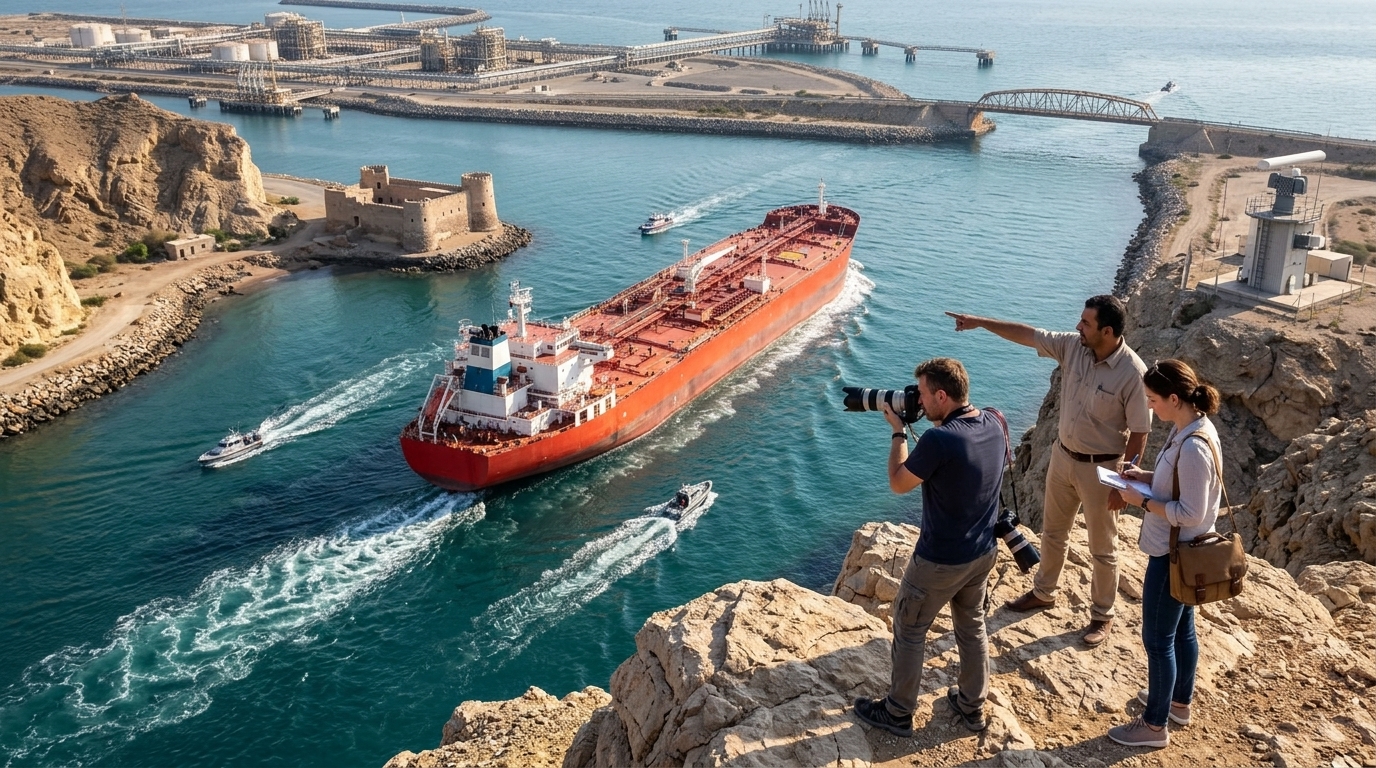
In a period where the Middle East often resembles a powder keg ready to explode, recent statements by U.S. Defense Secretary Pete Hegseth offer a necessary, albeit temporary, sigh of relief for international diplomacy and global markets. Despite ongoing challenges and a heavy military presence in the Strait of Hormuz, the Pentagon clarified that the informal ceasefire with Iran remains in effect, emphasizing that Washington does not seek a generalized conflict that could further destabilize the region.
The Strategy of 'Controlled Deterrence'
The Pentagon's stance under Hegseth's leadership reflects a complex strategy combining a show of force with the avoidance of direct engagement. According to analysts, the U.S. administration is attempting to redefine the boundaries of its influence in the region, sending clear messages to Tehran: the security of navigation is non-negotiable, but the path of diplomacy remains open. The statement that the U.S. "does not seek escalation" is not a sign of weakness, but a tactical move to maintain the flow of global trade.
The Strait of Hormuz, through which approximately 20-30% of global oil consumption passes, is the world's most critical maritime chokepoint. Any disruption there could send energy prices skyrocketing, causing an inflationary shock to the global economy. The confirmation of the ceasefire acts as a "decompression valve" for investors, who had been watching naval movements with bated breath over the past few days.
Market Reaction and Brent Crude
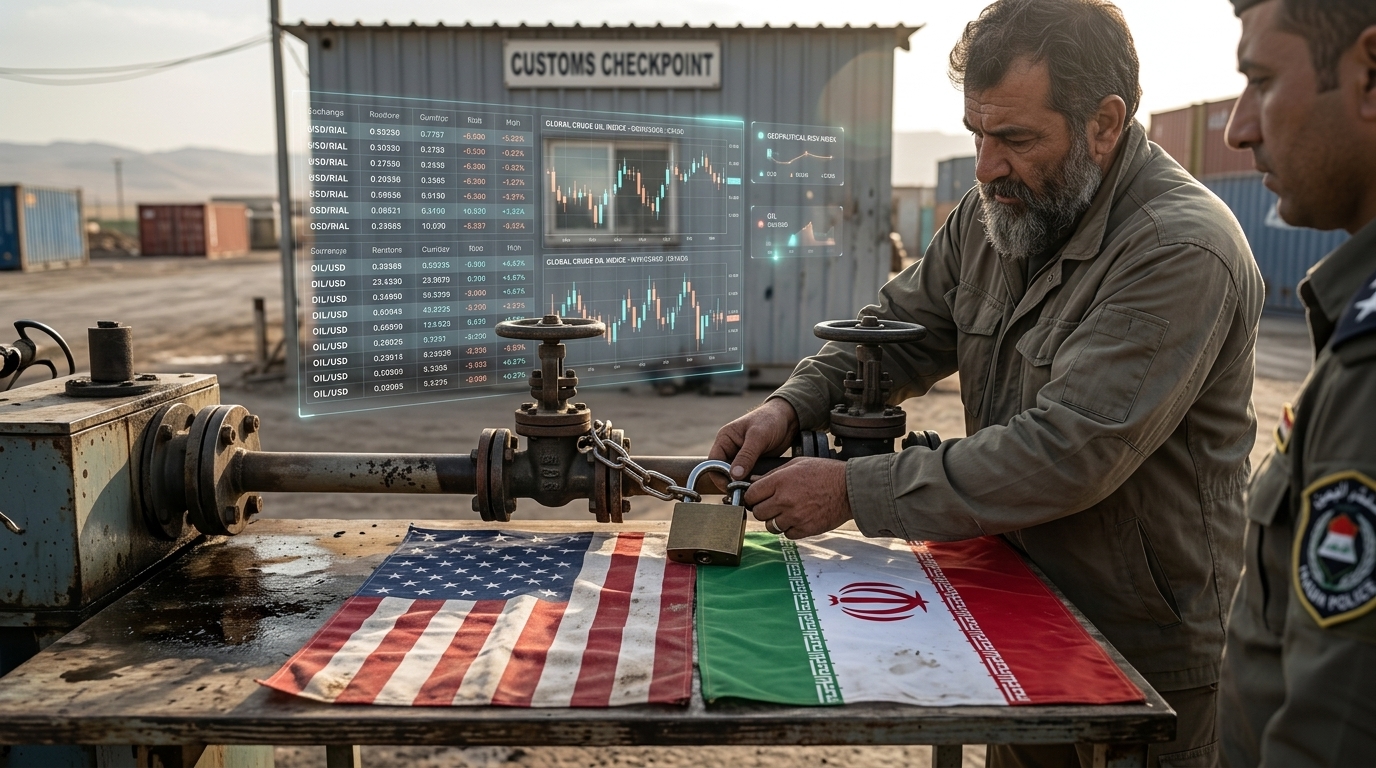
The immediate impact of the Pentagon's statements was reflected on commodity exchange screens. The price of Brent crude oil saw a decline of around 2%, as the "risk premium" that had been baked into prices due to geopolitical uncertainty began to evaporate. For European economies, still struggling with the aftermath of recent energy crises, this de-escalation is of vital importance.
However, this calm is characterized by many as "fragile." Iran continues to reserve the right to respond to what it calls "foreign interference" in its waters, while the U.S. strengthens its alliances with Gulf states. The ceasefire is not a formal peace treaty, but a mutual understanding that the cost of war would be prohibitive for both sides. The Pentagon seems to be betting on economic pressure and deterrent power, avoiding the "forever wars" that have marked American foreign policy in previous decades.
Pete Hegseth's Role and the New Doctrine
Pete Hegseth, a figure who has sparked debate over his leadership style, seems to be following a line of "realistic interventionism." His rhetoric is tough, but his actions show a preference for maintaining the status quo when it serves American interests. In the case of Iran, the Pentagon recognizes that an all-out conflict would require resources that Washington prefers to direct toward competition with China in the Pacific.
In conclusion, the situation in the Strait of Hormuz remains a stress test for the international order. The ceasefire currently in place is a crisis management tool, not a definitive solution. As long as ships continue to pass through the straits without incident, the world can hope for stabilization, but the region's history teaches us that the distance from peace to crisis is often as narrow as the strait itself.