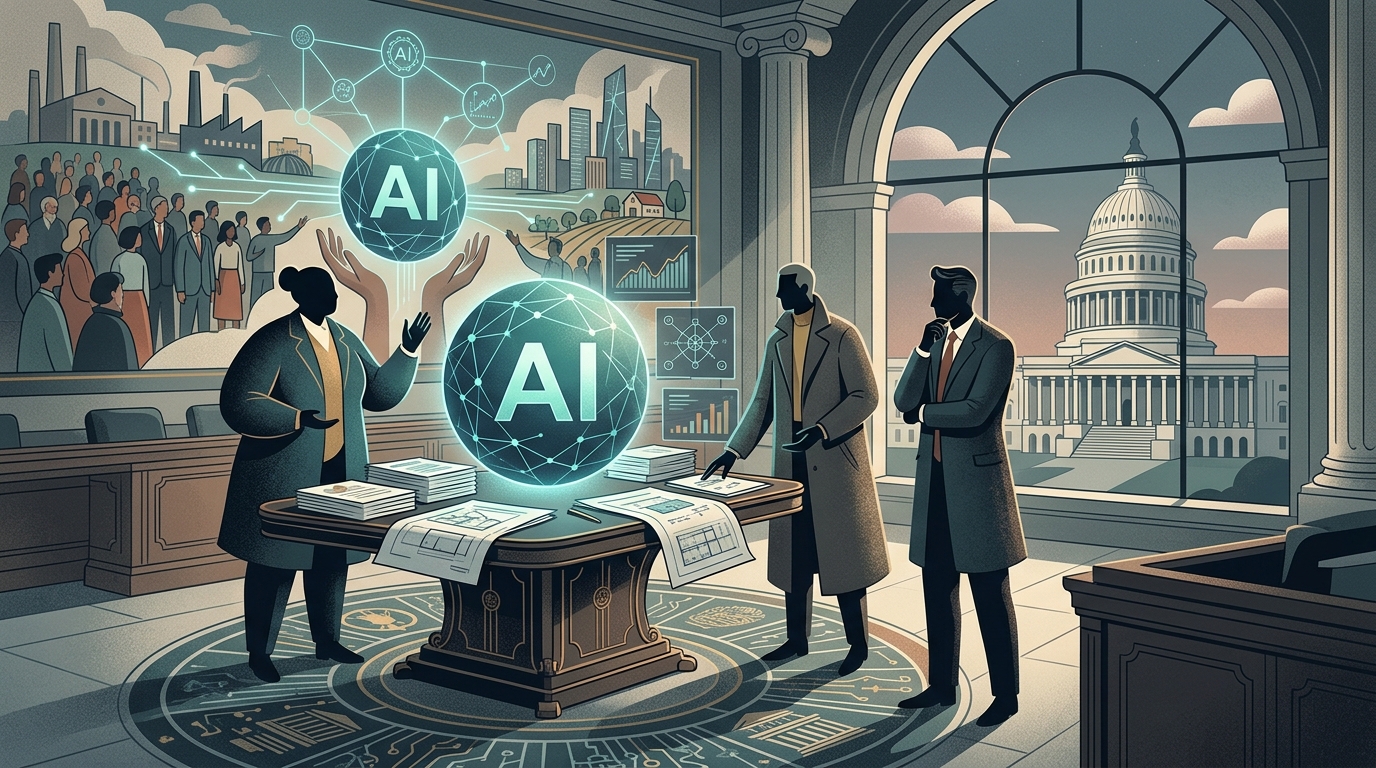
In an era where the United States federal government remains largely gridlocked on technology legislation, individual states are stepping up as laboratories of democracy and regulation. The recent passage of Senate Bill 2 (SB 2) by the Connecticut legislature marks a significant milestone in this effort. The bill, now heading to Governor Ned Lamont’s desk, aims to establish rigorous rules for how Artificial Intelligence (AI) impacts citizens' lives, from job hiring to healthcare delivery.
The Pillars of Transparency and Accountability
SB 2 focuses on what lawmakers categorize as "high-risk AI systems." These are algorithms that make critical decisions about individuals' lives, such as loan approvals, job application screening, access to education, and medical diagnostics. Under its provisions, developers and companies deploying such systems would be required to conduct regular impact assessments to ensure there is no algorithmic bias or discrimination against protected groups.
The logic behind this approach is "safety by design." Rather than waiting for harm to occur, companies must demonstrate beforehand that they have taken steps to mitigate risks. Furthermore, the bill requires businesses to inform consumers when they are interacting with an AI system, strengthening the right to transparency in the digital age.
The Battle Against Deepfakes and Protecting Elections
One of the most urgent aspects of the bill involves the regulation of "digital replicas" and deepfakes. With major elections on the horizon, concerns over AI's use in creating misleading content have reached a fever pitch. SB 2 establishes criminal and civil penalties for the creation and distribution of non-consensual AI-generated intimate imagery, as well as for deceiving voters via manipulated video and audio.
"We cannot allow technology to undermine the foundations of trust in our society. This bill is not about stifling innovation, but about ensuring that innovation serves humanity," stated one of the bill's primary sponsors.
Protecting the privacy and intellectual property of individuals from the unauthorized use of their likeness and voice is a central pillar of the legislation, mirroring similar legislative movements in California and the European Union.
Clashing with the Tech Industry
As expected, the bill met with fierce opposition from tech giants. Organizations like NetChoice, which represents companies such as Google, Meta, and Amazon, argued that strict rules would stifle innovation and force startups to leave the state. Their argument centers on the idea that a "patchwork" of differing state laws would make compliance impossible for companies operating on a national scale.
Governor Lamont himself initially expressed reservations, fearing that Connecticut might be perceived as "hostile" to technology. However, after a series of amendments that reduced the burden on smaller businesses and clarified the division of responsibilities between developers and deployers, the bill gained the momentum needed for passage.
Conclusion: A Model for the Future?
Connecticut’s move is not merely local news; it is a signal to Washington that inertia is no longer acceptable. If Governor Lamont signs the bill, Connecticut will become one of the first states to implement a comprehensive AI governance framework. This could serve as a blueprint for other states, effectively creating a de facto national standard that companies will be forced to follow, regardless of whether Congress eventually acts.
The challenge remains: how to strike the delicate balance between protecting fundamental rights and maintaining technological leadership? Connecticut’s answer is proactive regulation, transparency, and strict accountability.