In a move marking the most significant overhaul of the British welfare state in decades, Prime Minister Keir Starmer has announced the integration of advanced Artificial Intelligence systems into the nation's job-seeking services. The initiative, a cornerstone of the new 'Get Britain Working' White Paper, aims to tackle the chronic economic inactivity that has plagued the UK since the pandemic.
From Bureaucracy to Algorithmic Precision
For too long, the UK's Department for Work and Pensions (DWP) has been viewed as a cumbersome institution, trapped in analog processes that often fail to bridge the gap between citizen skills and market demands. Speaking at a London Jobcentre, Starmer emphasized that AI will not replace work coaches but will instead provide them with the 'superpowers' needed to offer truly personalized support.
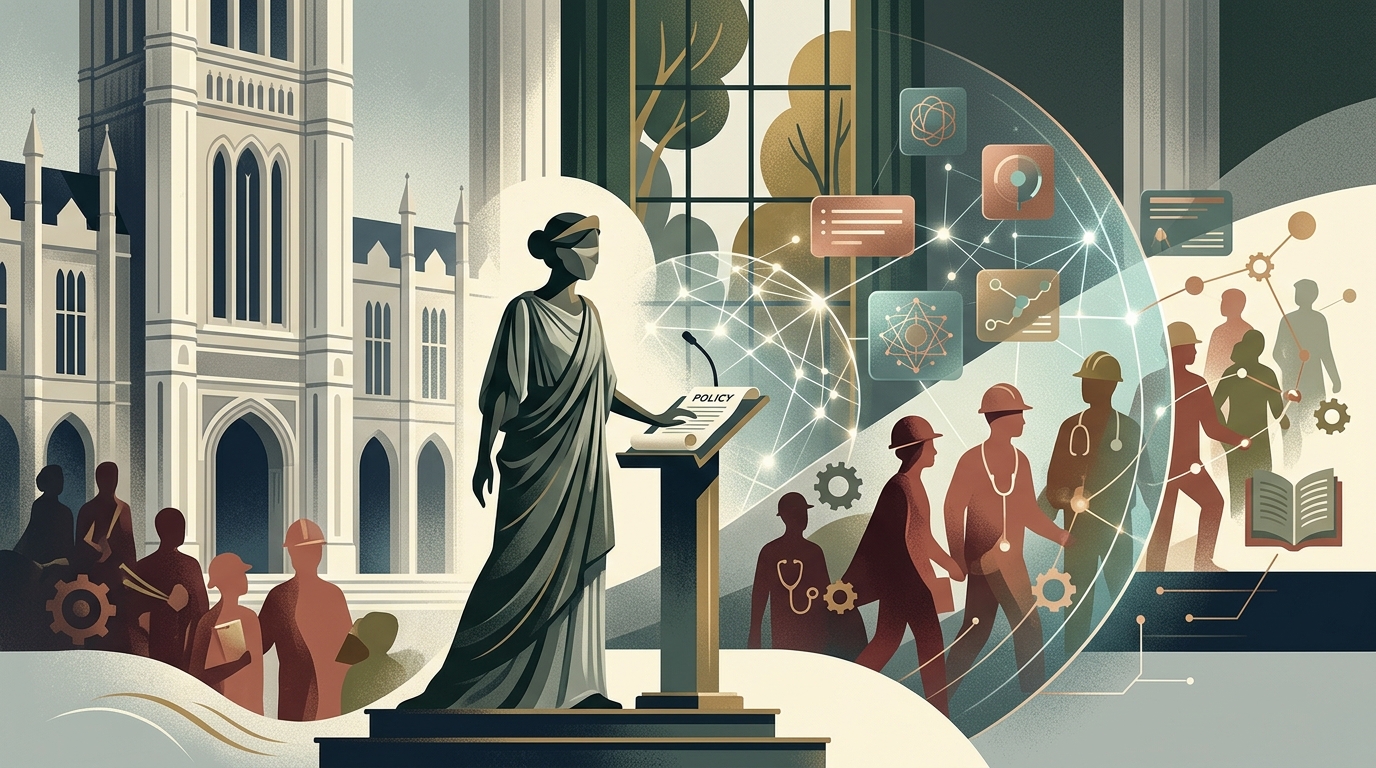
The new system is designed to analyze millions of data points—from job postings and market trends to individual CVs—to identify 'hidden' transferable skills. For instance, a former hospitality worker might possess organizational capabilities perfectly suited for the logistics sector, a connection traditional systems frequently overlook.
Tackling Economic Inactivity
The UK's challenge is structural. With approximately 2.8 million people out of the workforce due to long-term sickness, the Labour government is under immense pressure to reduce the welfare bill. AI is expected to act preemptively, suggesting upskilling programs before an unemployed individual slips into long-term inactivity.
"We cannot run a 21st-century economy with 20th-century tools. AI is our ally in ensuring every citizen has the opportunity to contribute," Starmer stated.
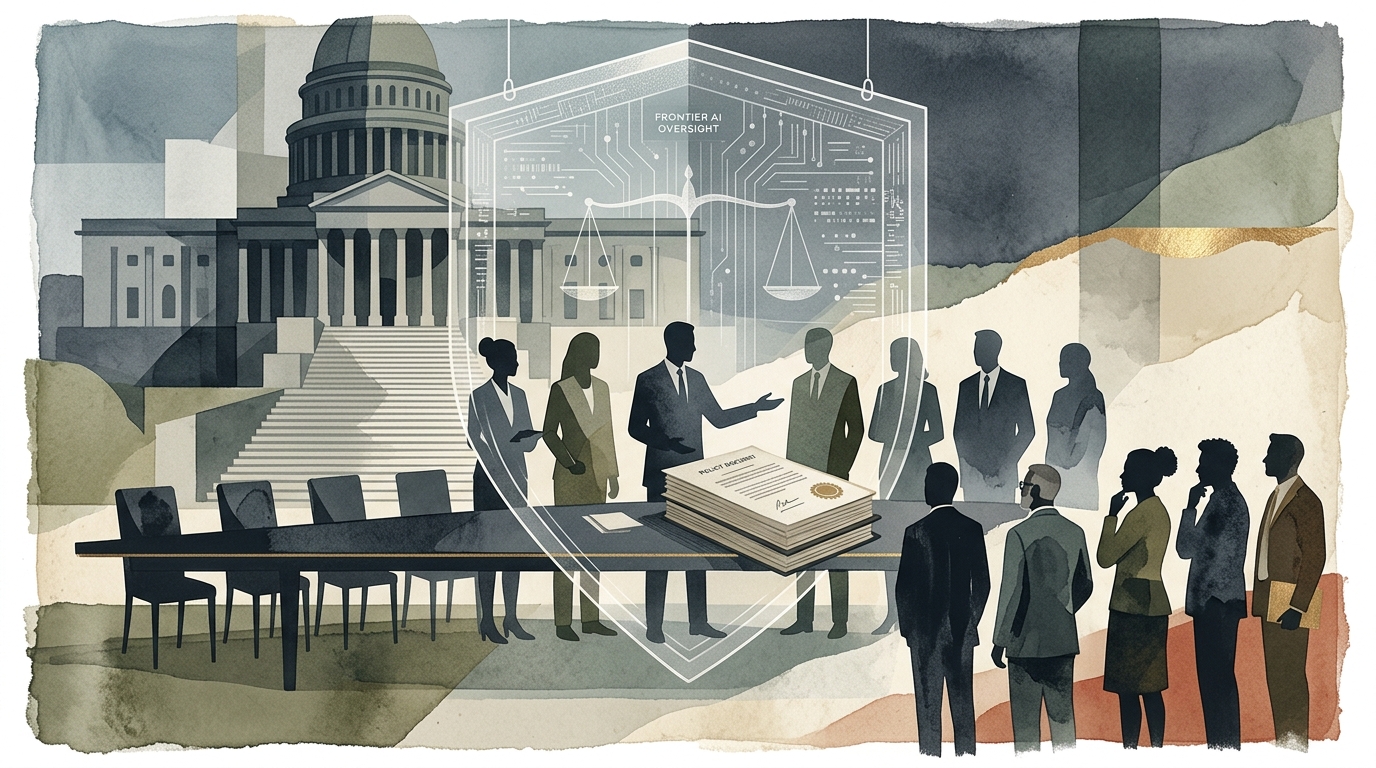
However, the strategy is not without its detractors. Trade unions and privacy advocates have raised concerns regarding 'algorithmic bias.' There is a growing fear that these systems could automatically marginalize vulnerable groups or be weaponized as tools for benefit sanctions if a claimant refuses an AI-suggested role.
The Implementation Challenge
The success of this plan hinges on data quality and the state's digital readiness. The government has promised rigorous oversight and algorithmic transparency, reassuring the public that the final decision-making power will always reside with a human advisor. This investment is also a gamble on economic growth; faster matching of labor supply and demand could potentially boost GDP and curb inflation driven by labor shortages.
In a global landscape where AI is reshaping the nature of work, Britain is positioning itself as a laboratory for 'socially responsible' technology. If Starmer’s experiment succeeds, it may provide the blueprint for public service reform across Europe. If it falters, it risks turning the welfare state into an impersonal, digital dystopia where human nuance is lost to the machine.