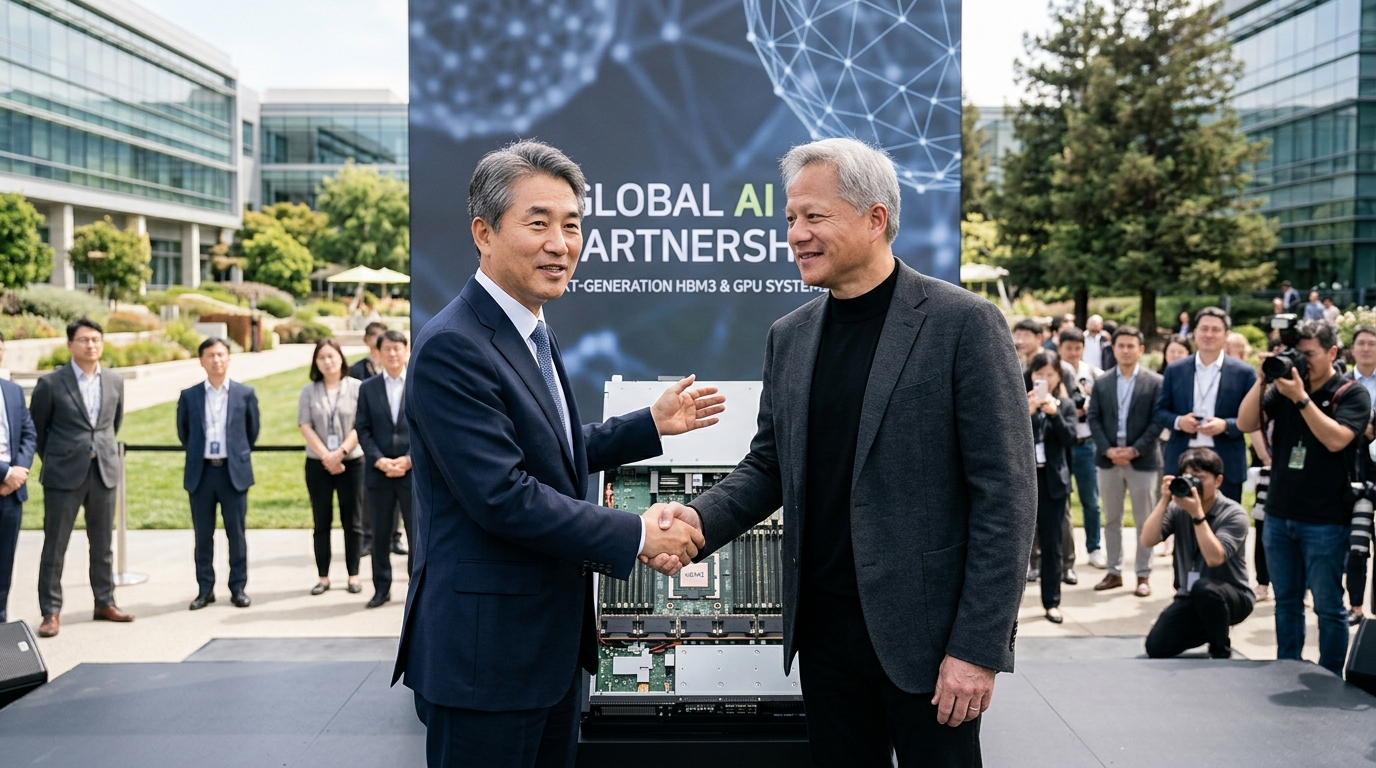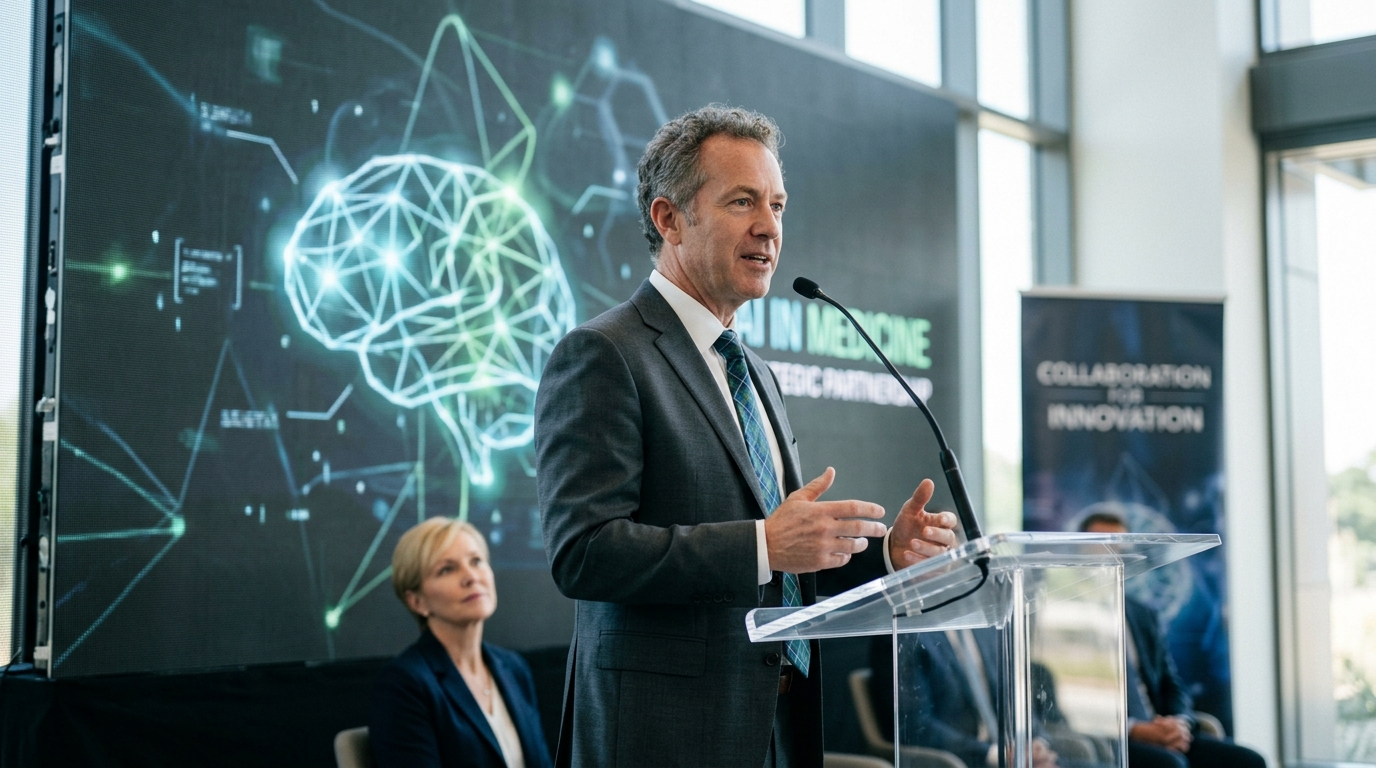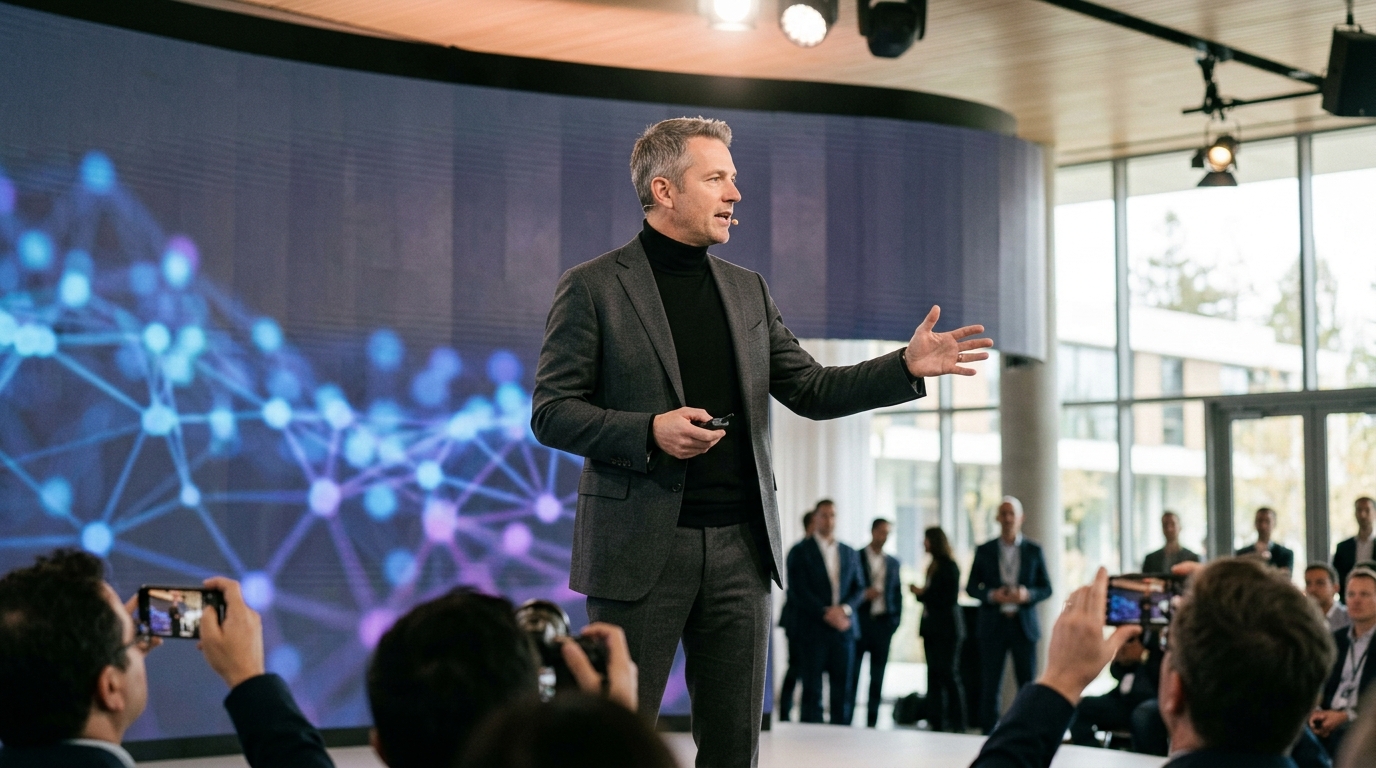
In the high-stakes world of technology, where innovation cycles are now measured in months rather than years, Nvidia continues to hold the reins with a determination that borders on monopolistic dominance. On Sunday, June 7, 2026, Nvidia CEO Jensen Huang made an announcement that is expected to send shockwaves through the global semiconductor supply chain: the company’s next major architecture, codenamed 'Vera,' will rely exclusively on advanced memory from South Korea’s SK Hynix.
The choice of the name 'Vera' is no coincidence. Following Nvidia's tradition of naming its architectures after great scientists (such as Hopper and Blackwell), the new generation honors Vera Rubin, the astronomer who provided evidence for the existence of dark matter. Just as Rubin illuminated the invisible universe, the Vera architecture promises to unlock new possibilities in Artificial Intelligence, focusing on energy efficiency and unprecedented data transfer speeds.
The Strategic Alliance with SK Hynix
“We had a very big year this year with SK Hynix, and we are preparing for a very, very large second half of the year and next year,” Huang stated during his keynote. This statement is more than just a compliment to a partner; it is a clear indication that control over High Bandwidth Memory (HBM) has become the most critical bottleneck in AI chip manufacturing.
SK Hynix has managed to outpace its domestic rival, Samsung Electronics, in the race for HBM3E and the upcoming HBM4. Its close collaboration with Nvidia has granted it a 'first-mover' advantage, allowing it to tailor its products to the exact specifications of Nvidia’s Tensor Core GPUs. For the market, this means that SK Hynix is transforming from a mere memory supplier into a strategic pillar of the Nvidia ecosystem.
Vera: Pushing Beyond Blackwell’s Limits
While the market is still attempting to absorb the capabilities of the Blackwell architecture, Vera arrives to address the biggest problem of modern data centers: the 'memory wall.' As Large Language Models (LLMs) grow increasingly massive, the speed at which the processor can fetch data from memory determines overall performance. The Vera architecture, combined with SK Hynix’s new memory modules, promises a latency reduction of up to 40% compared to the previous generation.
Furthermore, Nvidia is placing a significant emphasis on sustainability. Vera is expected to deliver twice the performance per watt, a crucial metric as governments worldwide begin to impose stricter limits on data center energy consumption. The use of SK Hynix’s HBM4 memory will allow for more memory layers to be stacked in a smaller footprint, significantly reducing thermal loss and improving overall system reliability.
Geopolitical Impact and Market Reaction
This announcement reinforces South Korea’s position as the ultimate hub for AI technology. While the U.S. focuses on design and Taiwan (via TSMC) on manufacturing, South Korea now controls the 'fuel' of Artificial Intelligence: memory. SK Hynix shares surged over 6% in Asian markets immediately following Huang’s remarks, while Samsung faces mounting pressure to prove it can keep pace with this breakneck speed of innovation.
However, this concentration of power in a few hands is raising concerns. If Nvidia and SK Hynix continue to move at this velocity, the gap between the leaders and the rest of the market (such as Micron or Intel) may become irreversible. The global economy's dependence on such a narrow supply chain is a risk that analysts are highlighting with increasing intensity. The 'AI-industrial complex' is becoming a reality, with a very short list of gatekeepers.
Conclusion
The arrival of Vera marks a new era where hardware is no longer a cumulative set of components but a unified, biological-style system where processing and memory are inseparable. Jensen Huang is no longer just selling chips; he is selling the infrastructure of the future, and SK Hynix is the indispensable co-pilot on this journey into the digital unknown.