In the depths of our oceans, far from the public eye, a silent war is being waged over one of the seabed's most valuable resources: sea cucumbers. Often dismissed as mere "slugs of the sea," these humble echinoderms play a vital role in nutrient cycling and sediment oxygenation. However, insatiable demand in Asian markets—where they are prized as a culinary delicacy and a staple in traditional medicine—has sparked a global crisis of overfishing and organized smuggling.
The challenge for law enforcement worldwide is not just the vastness of the maritime borders but a fundamental problem of identification. When sea cucumbers are seized at customs, they are typically dried, processed, and packed in bulk. In this state, many species—even those strictly protected under the CITES convention—look nearly identical to the untrained eye. This is where Artificial Intelligence steps in, offering a tool that could revolutionize the fight against illegal wildlife trade.
The Identification Dilemma and the Machine Learning Solution
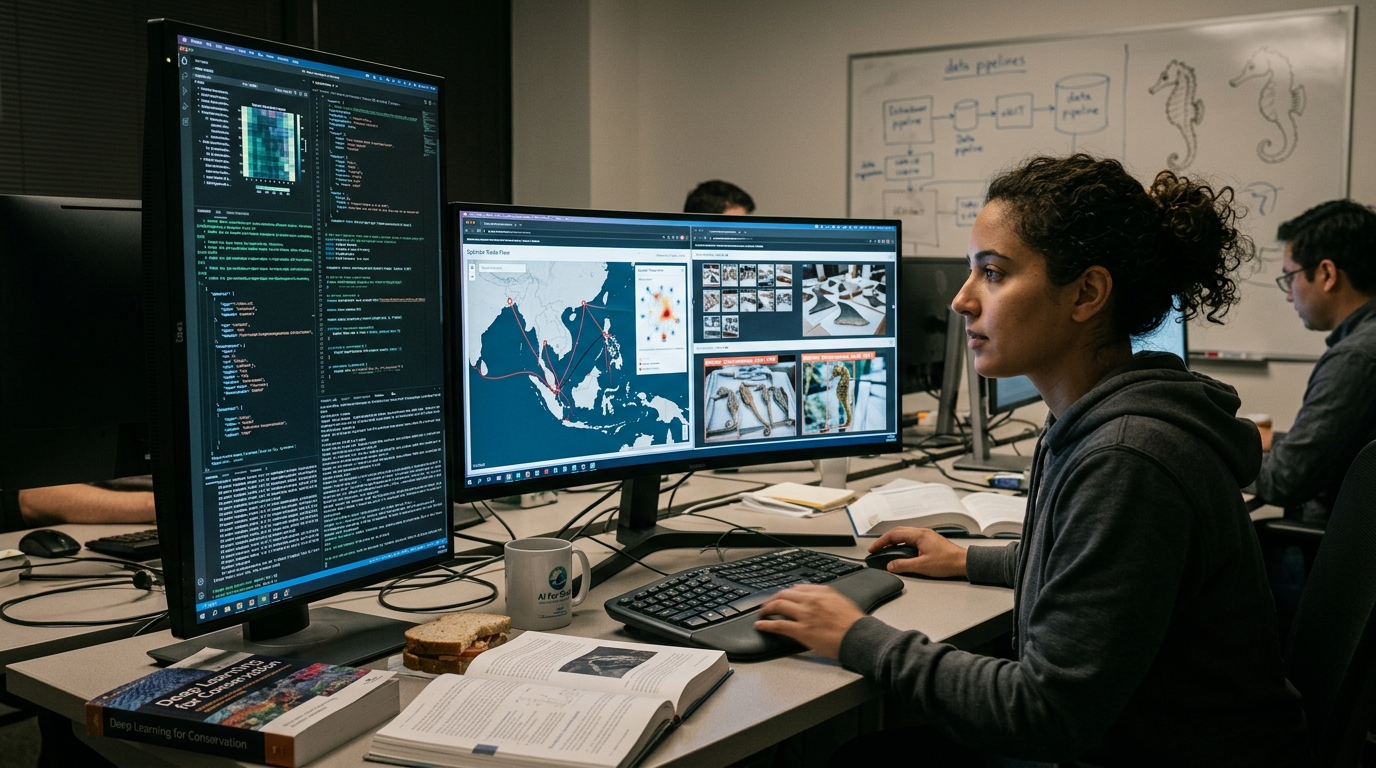
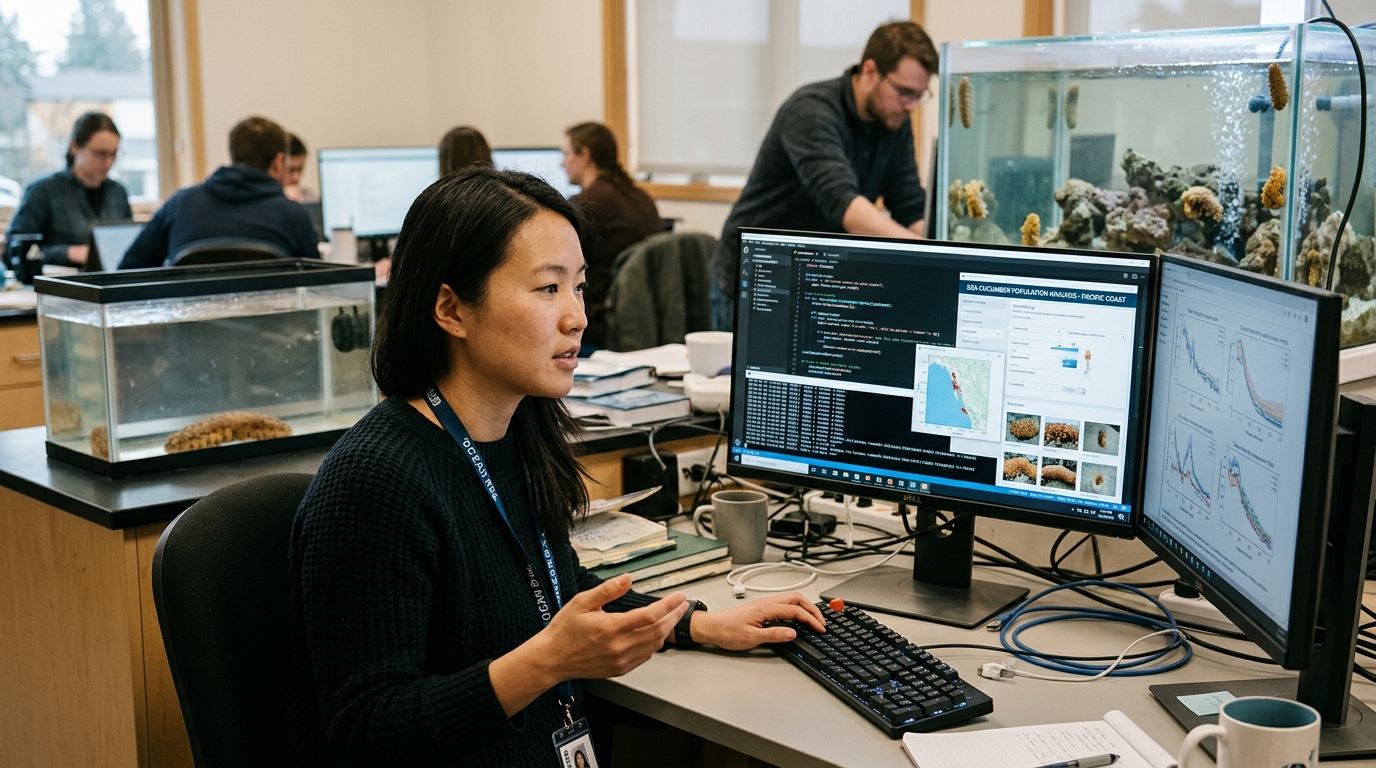
Traditional identification of sea cucumbers requires specialized biologists to examine microscopic calcified structures, known as sclerites, within the animal's skin. This process is time-consuming, destructive to the specimen, and impossible to perform in real-time at a busy port or airport. Consequently, researchers have turned to computer vision, training deep learning models to recognize unique morphological patterns from simple photographs.
According to recent studies highlighted by Scientific American, these new AI systems can achieve accuracy rates exceeding 90% in identifying protected species, even after they have undergone the drying process. The model analyzes texture, skin folds, and body proportions—features that often escape human observation. This allows customs officers to use a simple smartphone application to inspect suspicious shipments on the spot, bridging the gap between scientific expertise and frontline enforcement.
Ecological and Economic Implications
The significance of this technology extends far beyond policing. Sea cucumbers are the "vacuum cleaners" of the ocean. By consuming organic matter and excreting calcium carbonate, they help regulate the water's pH and protect coral reefs from ocean acidification. Their disappearance from vast areas, as seen in parts of the Indian and Pacific Oceans, leads to the collapse of local ecosystems and the degradation of reef health.
Furthermore, the illegal trade robs coastal communities of legitimate income. In countries like Sri Lanka and the Philippines, sustainable sea cucumber farming is a cornerstone of the local economy. AI can serve as a certification tool, ensuring that products entering the market come from legal and sustainable sources. This not only bolsters consumer confidence but also protects the market value of legal exports against the price-depressing effects of black-market goods.
The Future of Digital Conservation
Despite the promise, challenges remain. Building a comprehensive database with images of all sea cucumber species in various stages of processing is a Herculean task. Moreover, smugglers are notorious for their adaptability, constantly seeking new methods to mask their cargo. However, the integration of AI into wildlife management marks the beginning of a more sophisticated era of conservation.
The case of the sea cucumber serves as a pilot for protecting other marine species, such as shark fins or seahorses. Technology is not replacing human judgment but rather providing the "superpowers" necessary to protect a planet under siege. As software improves and databases expand, the hope is that the "gold" of the seabed will remain where it belongs: in its natural habitat, ensuring the health of our oceans for generations to come.