As we navigate the first half of 2026, the discourse surrounding labor automation has shifted from speculative fiction to a pressing, daily reality. Recent analysis amplified by international outlets like Vietnam.vn highlights a global anxiety: Artificial Intelligence (AI) no longer merely threatens manual labor, but also the bastions of knowledge and creativity. However, the history of technological evolution teaches us that replacement is rarely absolute. Instead, survival hinges on an individual's ability to transition from executing tasks to orchestrating systems.
From Execution to Oversight: The New Hierarchy of Skills
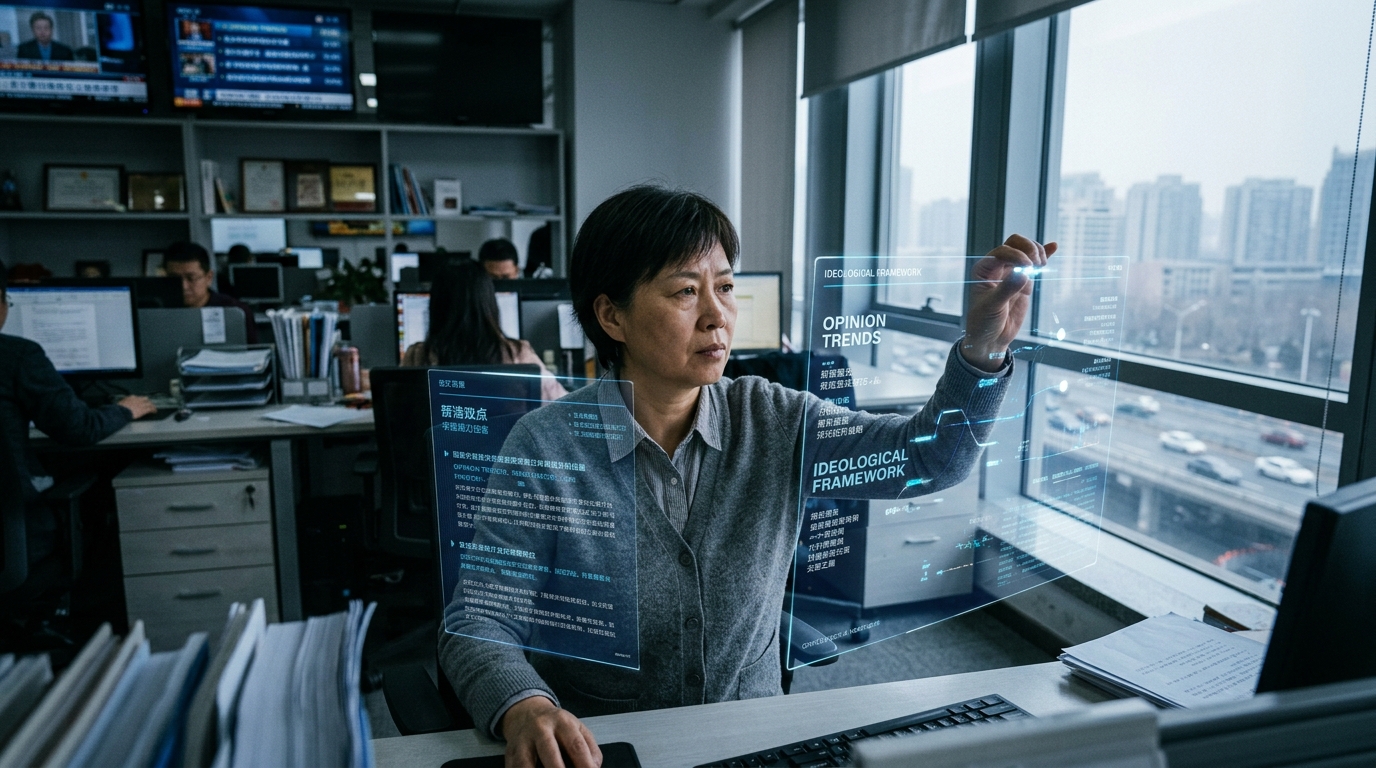
The first and most crucial step in avoiding replacement is understanding the inherent nature of AI tools. Current models excel at processing vast amounts of data, recognizing patterns, and generating content based on predefined parameters. Where they fail dramatically is in understanding context, ethical judgment, and strategic empathy. The worker of the future must not compete with AI on speed, but guide it with critical thinking.
This transition requires adopting the role of an "overseer." Instead of writing code or a legal document from scratch, your value lies in the ability to ask the right questions (prompt engineering), verify the accuracy of the outputs, and synthesize information in a way that serves a broader strategic objective. Specializing in areas where human accountability is irreplaceable—such as critical medical decisions or managing diplomatic crises—provides the strongest fortress against automation.
The Renaissance of Soft Skills
Paradoxically, in the age of high technology, the most valuable skills are the most "human." Empathy, negotiation, leadership, and emotional intelligence are areas where algorithms remain clumsy. A machine can calculate the probability of success for a corporate merger, but it cannot soothe employee anxieties or inspire investor confidence through a personal connection.
- Emotional Intelligence: The ability to read between the lines of a conversation and manage complex human relationships.
- Creative Problem Solving: Finding solutions to problems that lack historical data for AI to rely upon.
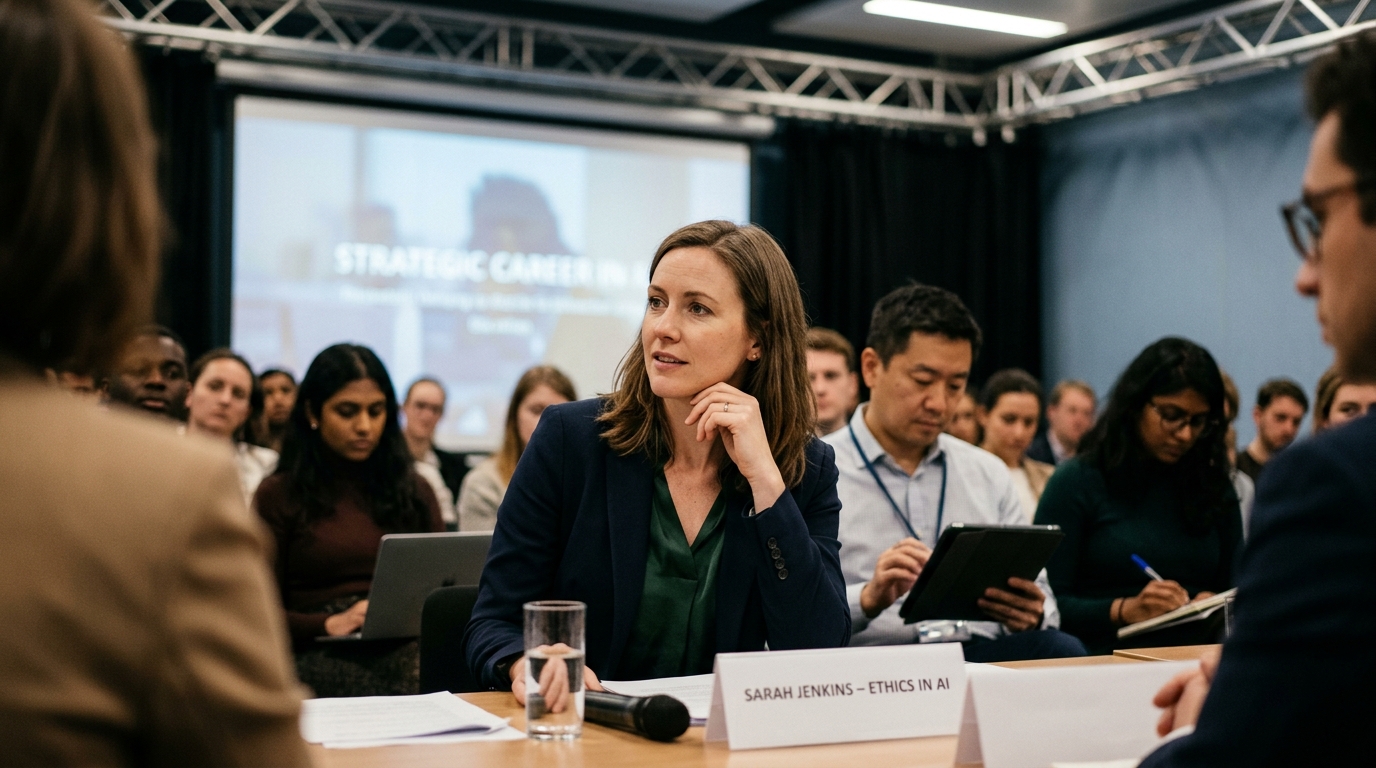
- Ethical Judgment: Making decisions that consider social and moral implications, requiring a conscience rather than mere calculations.
Investing in these skills is no longer optional. It is the differentiating factor that renders a professional irreplaceable. Businesses in 2026 are seeking individuals who can act as a bridge between the cold logic of data and the warm reality of human needs.
Lifelong Learning: The End of the Static Degree
The era when a single degree sufficed for a thirty-year career is gone forever. The speed at which AI evolves means that knowledge acquired two years ago may already be obsolete. The concept of "lifelong learning" must become part of our professional identity. This doesn't necessarily mean returning to university lecture halls, but a continuous process of micro-learning and adaptation.
Workers who survive are those with "learning agility." This means being ready to unlearn old methods and adopt new AI tools to enhance their efficiency. AI will not replace humans; humans who use AI will replace those who do not. Familiarity with data analysis, digital ethics, and human-machine collaboration are now fundamental elements of professional literacy.
The Social Contract in the Digital Age
Finally, avoiding replacement is not just an individual responsibility, but a collective one. Governments and organizations must redefine the social contract. The need for large-scale reskilling programs is imperative. Countries that invest in educating their citizens in new technologies while strengthening the social safety net will emerge as winners in this transition.
In conclusion, the challenge of Artificial Intelligence is an invitation for an upgrade. Instead of fearing automation, we must leverage it to free ourselves from repetitive and mundane tasks, focusing on what makes us unique: the ability to dream, to judge, and to connect with others. The future of work is not a race against machines, but a dance with them.