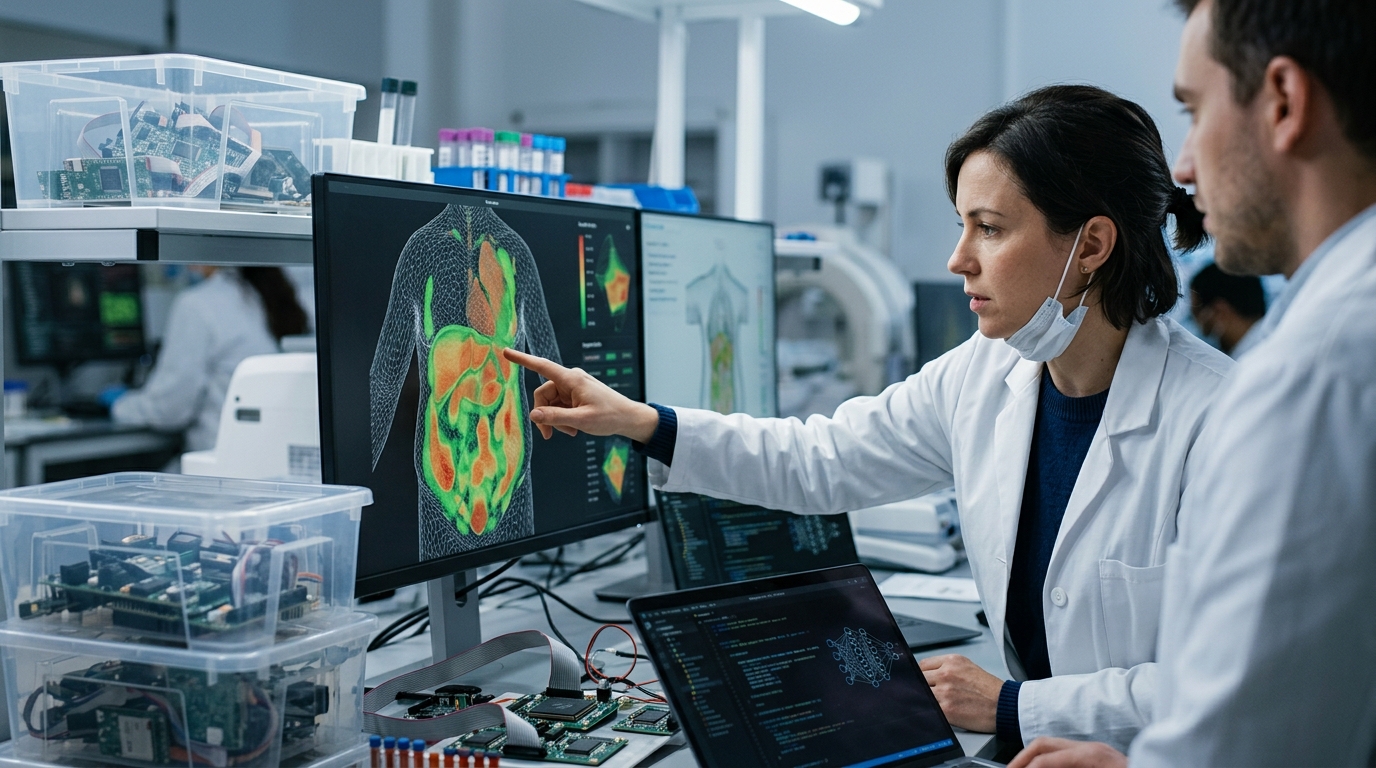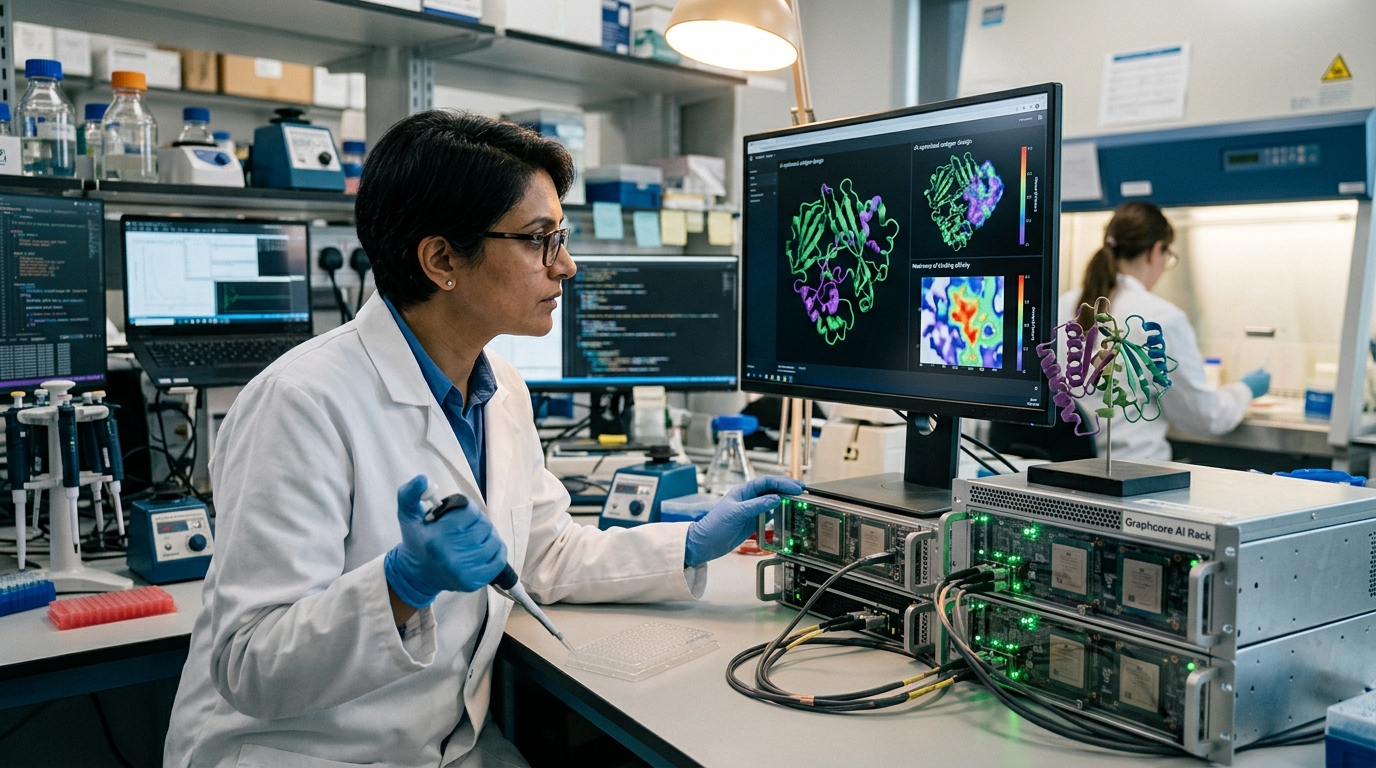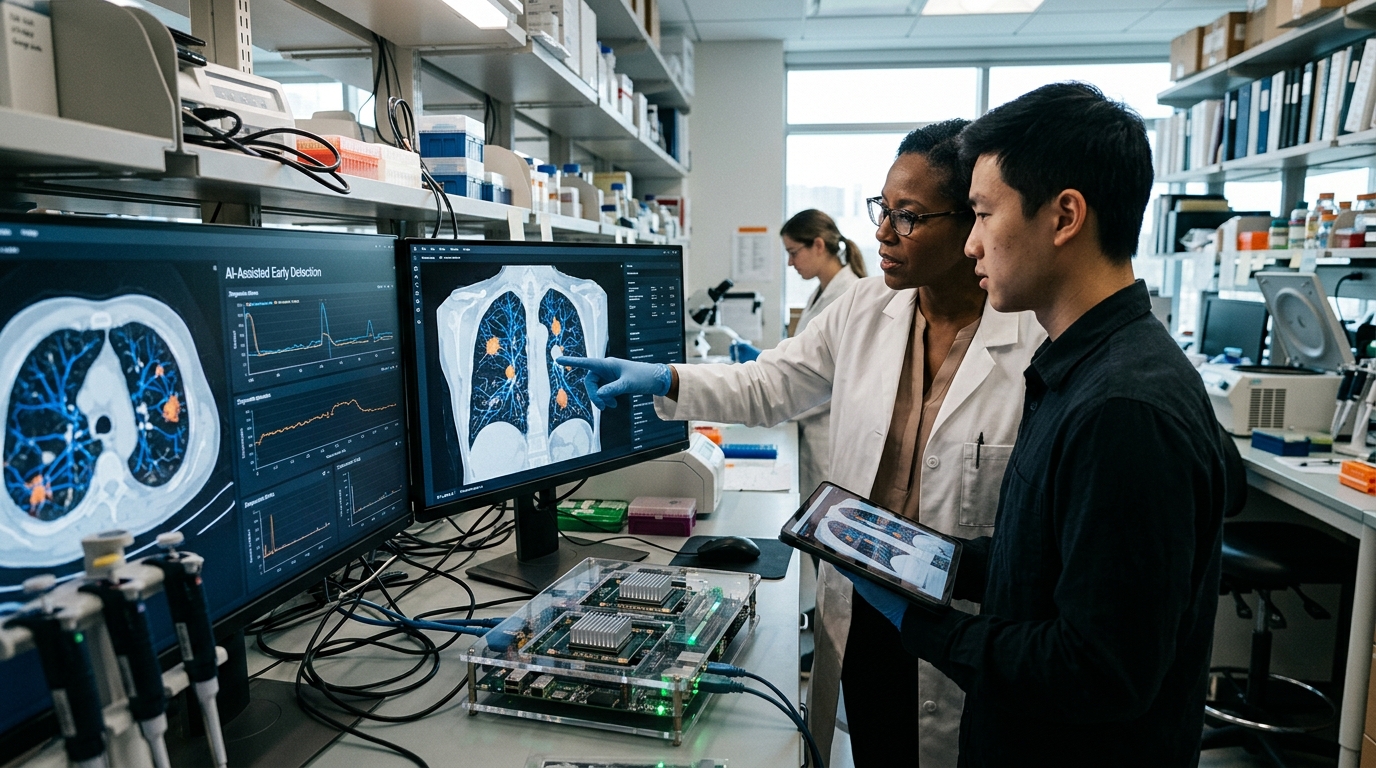
Lung cancer remains one of the most formidable challenges in modern oncology, primarily due to its late-stage presentation. For decades, the medical community has sought a way to catch this silent killer before it spreads. Today, that solution is arriving not from a new drug, but from the realm of silicon and code. Artificial Intelligence (AI) is fundamentally altering the landscape of early detection, providing clinicians with tools that were once the stuff of science fiction.
The Radiologist's Digital Partner
The core of AI’s utility in lung cancer detection lies in its ability to process vast amounts of visual data with unwavering consistency. As highlighted in recent reports by WPLG Local 10, AI software is now being integrated into the workflow of radiology departments to assist in interpreting Low-Dose Computed Tomography (LDCT) scans. While a human radiologist might experience fatigue or cognitive bias after reviewing dozens of scans, an AI algorithm maintains the same level of scrutiny for every pixel.
These AI systems utilize Convolutional Neural Networks (CNNs) to identify pulmonary nodules. These nodules, often no larger than a grain of rice, can be precursors to malignancy. The AI doesn't just find them; it analyzes their density, volume, and growth patterns over time. By comparing a current scan with previous ones, the software can detect subtle changes that might indicate the early onset of cancer, often months or even years before they become clinically obvious to a human observer.
Predictive Power and the 'Sybil' Model
Perhaps the most groundbreaking development in this field is the shift from detection to prediction. Research from institutions like MIT has led to the creation of models like 'Sybil.' Unlike traditional CAD (Computer-Aided Detection) systems that look for existing tumors, Sybil analyzes the lung environment as a whole. It can predict the likelihood of a patient developing lung cancer within the next six years based on a single LDCT scan that appears normal to the human eye.
- Precision Screening: AI allows for the identification of high-risk individuals who might not meet traditional criteria (like smoking history), based on physiological markers.
- Workflow Efficiency: By triaging scans, AI ensures that the most suspicious cases are moved to the top of a radiologist's queue, saving critical time.
- Standardization: AI provides a consistent baseline, reducing the variability in diagnoses between different hospitals and specialists.
This predictive capability shifts the paradigm from reactive medicine—treating the disease once it appears—to proactive surveillance. In a disease where the five-year survival rate drops precipitously as it advances, this shift is literally a matter of life and death.
Navigating the 'Black Box' and Data Bias
Despite the optimism, the medical community remains cautious about the 'black box' nature of some AI models. Understanding *why* an AI flagged a specific area is as important as the flag itself. Interpretability is crucial for clinical trust. Furthermore, the issue of data diversity is paramount. If an AI is trained predominantly on data from one demographic, its efficacy in diverse populations may be compromised, leading to healthcare inequities.
"We are entering an era of 'Augmented Intelligence,' where the machine handles the data-heavy lifting, allowing the physician to focus on the nuanced art of healing and patient care," notes a leading oncologist.
The regulatory landscape is also catching up. The FDA has already cleared several AI-driven tools for lung nodule detection, but the integration into standard insurance reimbursement models remains a work in progress. For AI to truly revolutionize lung cancer outcomes, it must be integrated into the systemic infrastructure of global healthcare, moving beyond elite research hospitals into community clinics.
The Future: A Multi-Modal Approach
The next frontier in AI-driven oncology is multi-modal analysis. This involves combining imaging data with liquid biopsies (blood tests) and genetic profiling. By synthesizing these diverse data streams, AI will soon be able to provide a comprehensive 'risk score' for patients, making lung cancer a manageable, and perhaps even preventable, condition. As the technology matures, the focus will shift from whether AI works to how we can ensure every patient, regardless of geography or wealth, can benefit from its life-saving potential.