Medical imaging is the cornerstone of modern diagnosis, yet when it comes to children, the challenges multiply exponentially. Children are not merely "small adults"; their anatomy is rapidly developing, their tissues are more sensitive to ionizing radiation, and their natural propensity for movement makes capturing clear MRI or CT scans an arduous task. At the University of Cincinnati, a young researcher and Goldwater Scholar, Logan Elm, is turning to Artificial Intelligence to solve these specific hurdles, bridging the gap between advanced computer science and clinical care.
The Challenge of Pediatric Radiology
In traditional radiology, image quality is often a direct function of radiation dose or exposure time. For an adult, remaining still for 30 minutes inside a scanner is feasible, if uncomfortable. For a five-year-old, it is nearly impossible without sedation. Furthermore, the lifetime cumulative radiation dose is a major concern for pediatricians, as young organisms face a higher risk of developing secondary complications from X-ray exposure.
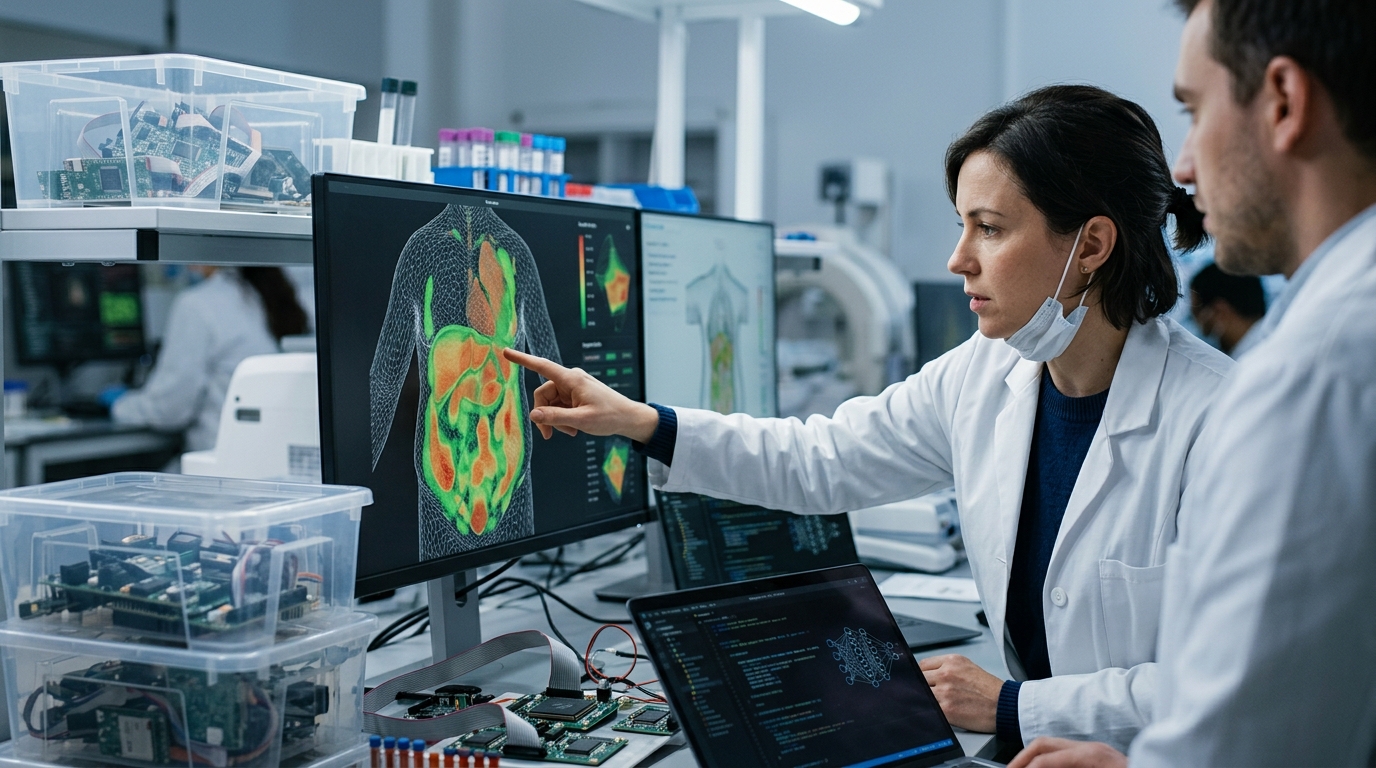
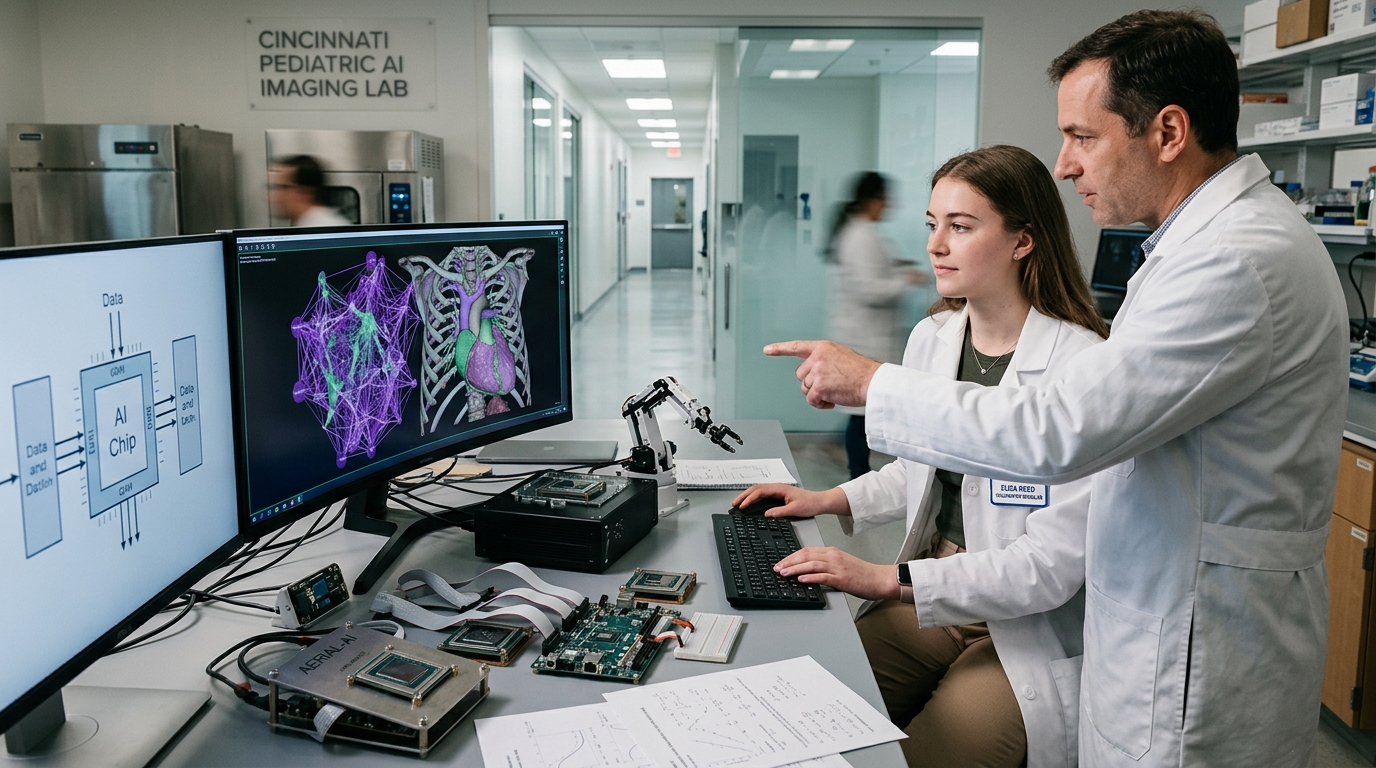
Elm, working within the labs of the Cincinnati Children’s Hospital Medical Center, recognized that the solution lies not in more powerful machinery, but in smarter algorithms. His research focuses on using deep learning models that can reconstruct high-resolution images from low-quality or reduced-dose data. This means doctors can obtain the necessary diagnostic information while exposing the child to significantly less radiation and shortening the time required for the exam.
AI: The Digital Clarifier
The technology Elm utilizes is based on neural networks trained on vast datasets of medical images. These algorithms learn to distinguish between "noise" and actual anatomical information. When a child moves slightly during an MRI, the result is motion artifacts—blurring that can obscure a diagnosis. AI can predict and correct these imperfections, turning what would have been a useless scan into a valuable diagnostic tool.
"The ability to remove noise and enhance detail without increasing the burden on the patient is the holy grail of radiology," industry experts note.
Furthermore, Elm's work involves automating the detection of anomalies. In many cases, changes in pediatric tissue are so subtle that the human eye might overlook them, especially under conditions of staff fatigue. The AI system acts as a "second reader," flagging areas of interest that require further scrutiny from the radiologist.
The Significance of the Goldwater Scholarship
Logan Elm’s designation as a Goldwater Scholar is more than just an academic accolade. The Barry Goldwater Scholarship is one of the most prestigious awards in the United States for undergraduate students in the natural sciences and engineering. This award highlights the academic community's shift toward interdisciplinary research. Elm is not just a coder; he is a researcher who understands biology and clinical needs.
The University of Cincinnati has invested heavily in its "Digital Futures" initiative, which brings together scientists from disparate fields. Elm’s success is proof that the next generation of scientists will be those who can speak the language of data as fluently as the language of medicine. In this context, his research does not remain theoretical; it is tested in real-world clinical scenarios with the goal of immediate integration into hospital protocols.
Ethical Implications and Hurdles
Despite the excitement, the use of AI in pediatrics carries significant responsibilities. AI models are only as good as the data they were trained on. If a model is trained primarily on adult images, it may fail spectacularly when applied to infants. Elm and his team are working hard to ensure their datasets are representative of pediatric diversity.
Additionally, there is the issue of "interpretability." Physicians must know why the AI made a specific decision or how it reconstructed an image. The trust in the doctor-patient relationship cannot be replaced by a "black box" of algorithms. The research in Cincinnati emphasizes Explainable AI (XAI), ensuring that technology remains a support tool rather than an unchecked judge.
In conclusion, Logan Elm’s work represents a new era in medicine. An era where technology is used not just for data processing, but for the protection of the most vulnerable members of our society. By reducing radiation and improving diagnostic precision, the future of pediatric care looks brighter and safer.