The history of medical science is frequently written within the halls of the University of Pennsylvania (UPenn). Following the global triumph of mRNA vaccines—which earned Katalin Karikó and Drew Weissman the Nobel Prize—the institution is once again at the vanguard. This time, the catalyst is not merely biology, but its convergence with Artificial Intelligence. Researchers at UPenn are developing sophisticated machine learning models to dramatically accelerate the design and development of RNA-based drugs, a process that traditionally required years of trial and error.
The RNA Complexity and the 'Black Box' of Biology
RNA (ribonucleic acid) is the 'software' of life. It carries instructions from DNA to create proteins. However, designing therapeutic RNA molecules is a scientist's nightmare. RNA is notoriously unstable, and its structure—the way it folds in three-dimensional space—dictates its functionality. A minor sequence alteration can render a drug useless or even toxic.
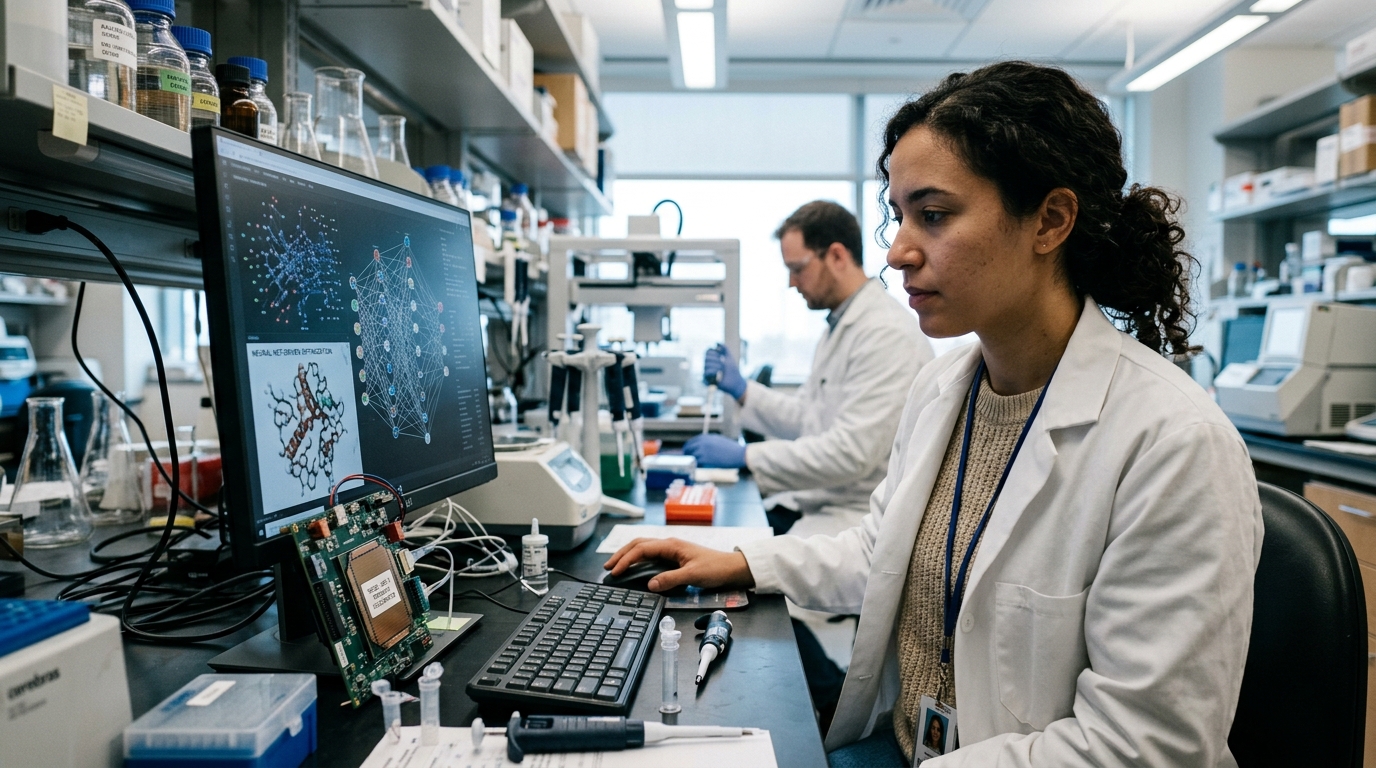
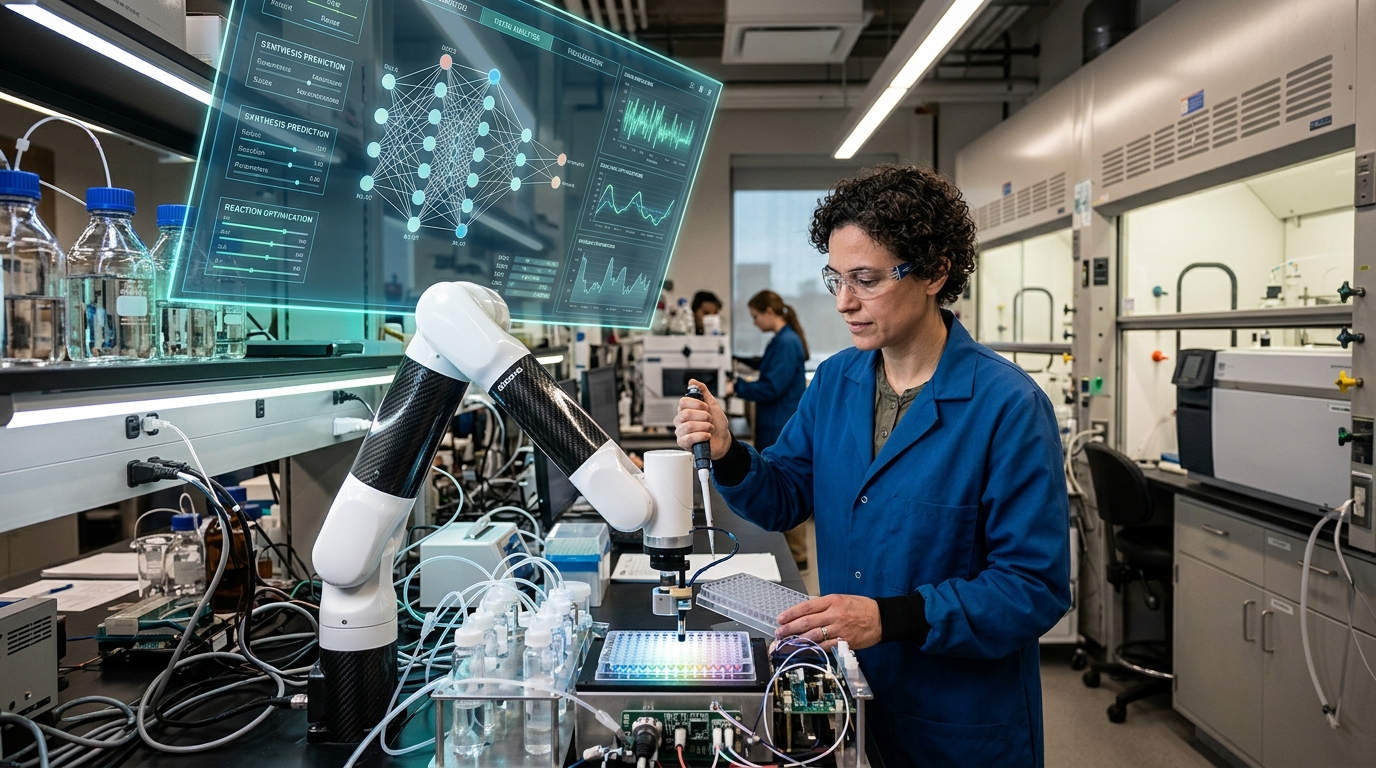
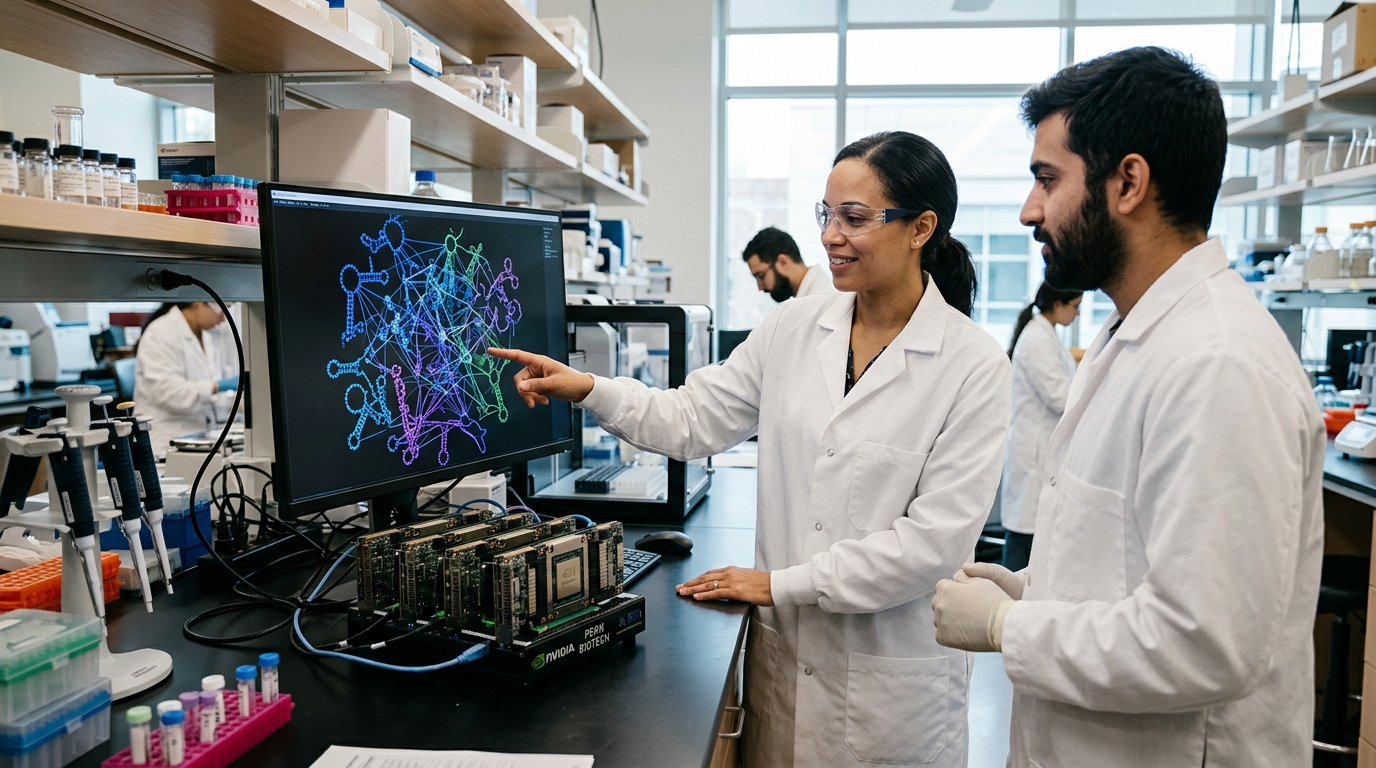
Until now, scientists relied on empirical methods and limited computational models. AI is changing the rules of the game. By using algorithms trained on vast molecular biology datasets, researchers can now predict with startling accuracy how an RNA sequence will behave within the human body. This reduces discovery time from years to months, enabling rapid responses to emerging health threats.
Machine Learning Strategy at UPenn
The Penn researchers' approach focuses on two primary pillars: molecular stability and delivery efficiency. One of the greatest hurdles in RNA therapy is ensuring the molecule reaches the correct cell intact. AI assists in designing superior lipid nanoparticles (LNPs), the 'vehicles' that transport RNA to its destination.
- Structure Prediction: Deep learning algorithms analyze billions of potential combinations to find the most stable RNA forms.
- Translation Optimization: AI selects sequences that maximize the production of the desired protein by the cell.
- Toxicity Reduction: Through simulations, researchers can filter out sequences likely to cause adverse immune reactions before they ever reach a wet lab.
"We are no longer searching blindly in an ocean of possibilities. AI provides us with a high-resolution map of where to direct our research," says a member of the research team.
From Cancer to Rare Diseases
The implications of this technology extend far beyond infectious disease vaccines. Accelerated RNA drug development paves the way for personalized oncology. In the future, we could analyze a patient's tumor and, with AI's help, design a custom mRNA vaccine that 'trains' the immune system to attack those specific cancer cells within weeks.
Furthermore, rare genetic disorders, often ignored by Big Pharma due to prohibitive research costs, gain new hope. If development costs and timelines are slashed via AI, these 'orphan' diseases become viable targets for therapeutic intervention. This represents an ethical victory for science, as technology is harnessed to serve those in greatest need.
Challenges and Ethical Dilemmas
Despite the excitement, integrating AI into pharmaceutical research is not without challenges. There is the issue of 'interpretability' of models: if an AI suggests a specific sequence, scientists must understand *why*. Blind trust in algorithms can lead to unforeseen errors. Additionally, the concentration of these powerful tools within a few elite universities and corporations raises questions about global health equity. Will developing nations benefit from these breakthroughs, or will the gap between wealthy and poor patients widen?
What is certain is that UPenn, bolstered by Artificial Intelligence, is charting a new course. The era of 'programmable medicine' is here, promising to turn our bodies into the ultimate allies in their own healing.