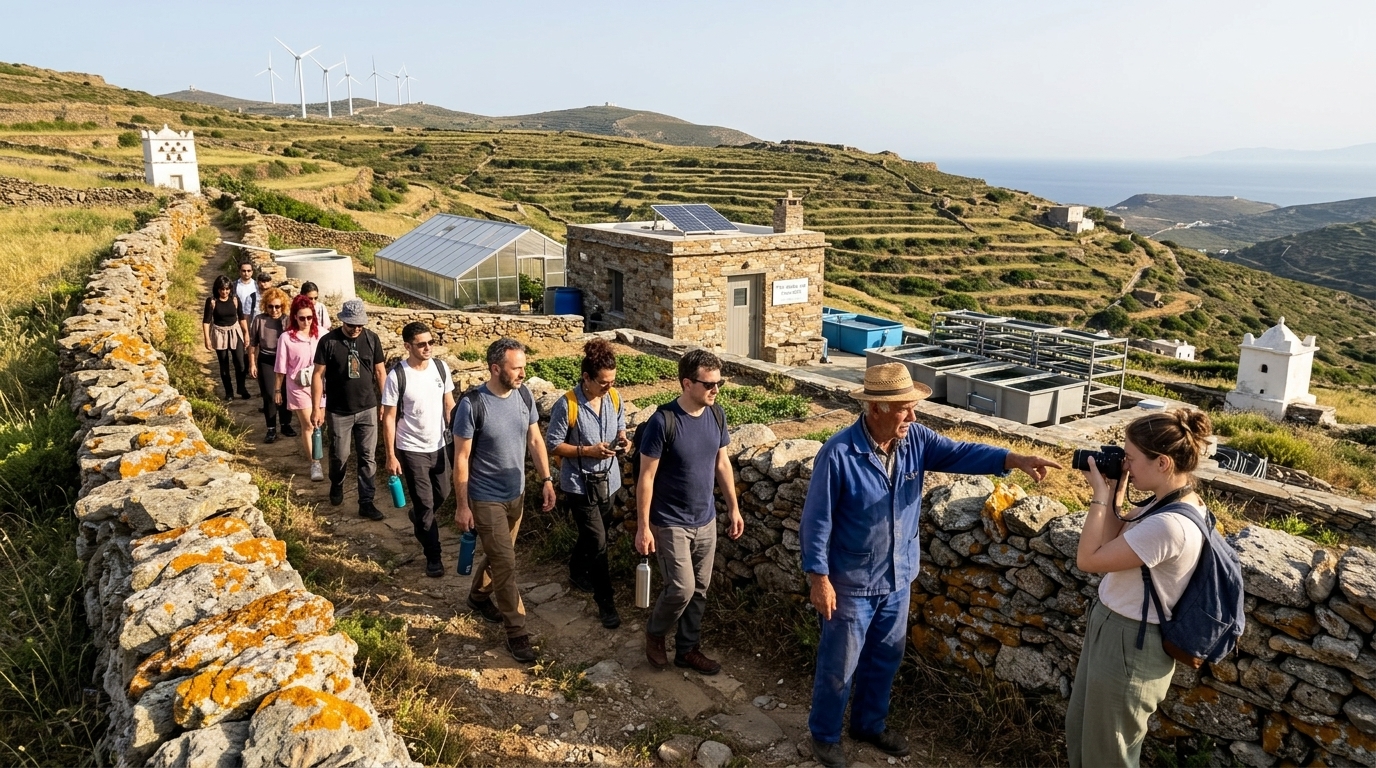
Tinos, an island long identified almost exclusively with religious pilgrimage in the Greek collective consciousness, is currently undergoing a remarkable metamorphosis. This is not merely a rebranding exercise; it is a profound structural realignment that places science, gastronomy, and sustainability at the heart of its development. The recent announcement of the Fish Aging Lab—a specialized laboratory for fish maturation under the auspices of the University of West Attica (PADA)—marks the first tangible milestone of the ambitious 'Tinos 2030' strategic plan.
Science in the Service of Flavor
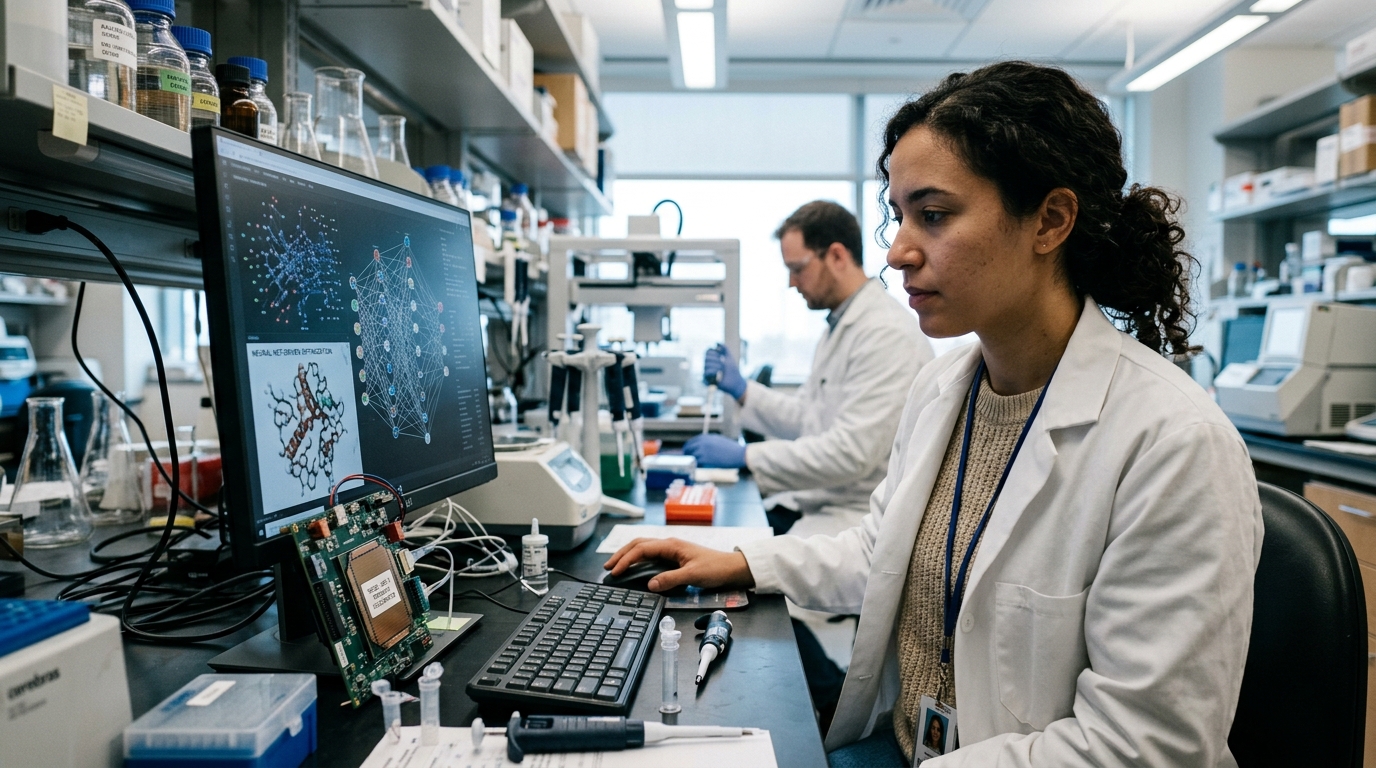
The Fish Aging Lab is far more than a kitchen or another upscale restaurant. It is an educational and research facility aimed at applying advanced preservation techniques to enhance raw ingredients. Fish dry-aging is a process requiring surgical precision: controlled temperature, humidity, and airflow. Through this method, fish attains a completely new flavor profile while its shelf life is significantly extended, drastically reducing food waste.
The partnership with the University of West Attica provides the project with necessary academic rigor. The Center of Continuing Education and Lifelong Learning (KEDIVIM) will offer programs tailored for industry professionals—from chefs to fishmongers and producers—cultivating a new generation of gastronomic technocrats. This institutional backing of Tinian cuisine is what distinguishes it from the fleeting culinary trends observed on other islands.
Tinos 2030: A Holistic Model
The Fish Aging Lab is just the tip of the iceberg. The 'Tinos 2030' plan aspires to address the challenges of overtourism plaguing the Cyclades by proposing an alternative path. The goal is to create an ecosystem where the primary sector (agriculture, fishing) is inextricably linked with the tertiary sector (tourism, catering).
- Circular Economy: Utilizing fishery by-products to create new, high-value-added products.
- Local Identity: Strengthening traditional crops (artichokes, Tinian cheese, vineyards) through modern certification methods.
- Sustainable Tourism: Attracting high-income, educated visitors seeking authenticity and ethical consumption.
Tinos has already built a strong foundation through 'Tinos Food Paths,' a grassroots voluntary movement that proved the local community can collaborate for the common good. The new gastronomic center builds upon this social momentum, giving it an international orientation.
The Implementation Challenge
Despite the optimism, the road ahead is not without obstacles. Transitioning from a theoretical plan to practical application requires significant infrastructure, stable funding, and, most importantly, acceptance from a local community that often views change with skepticism. Water resource management and the protection of the unique Tinian landscape from unregulated construction remain critical issues that 'Tinos 2030' must confront head-on.
"Tinos does not want to become another Mykonos or Santorini. It wants to be the place where tradition meets the future of food," the project's visionaries state.
In an era where the climate crisis threatens food security, establishing a center that studies food sustainability in the heart of the Aegean is not just a tourism strategy; it is an act of responsibility. Tinos is leading the way, showing how a small island can produce global knowledge, transforming locality into a universal value.