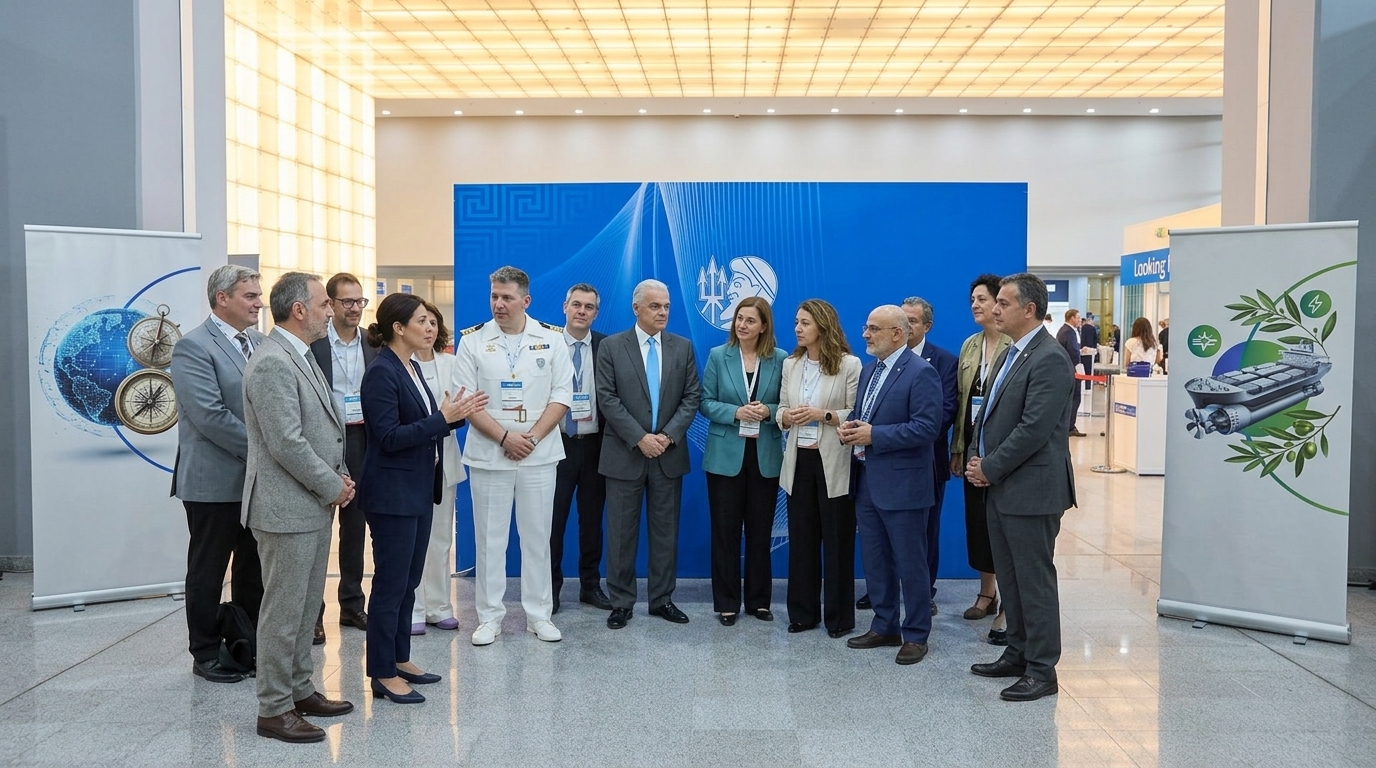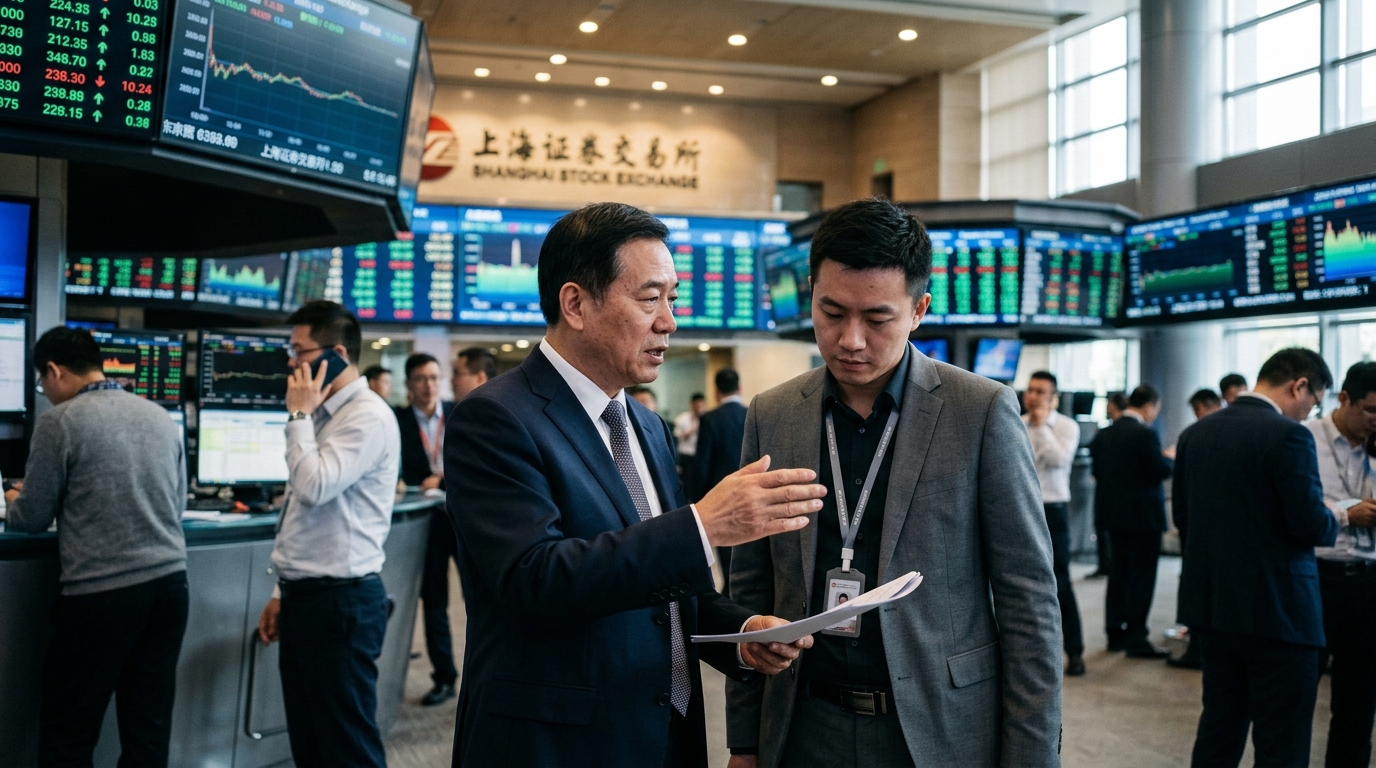
The recent visit of Autonomous Research analysts to Athens was far from a routine stop on a European tour. As the Greek economy strives to cement its position within the investment-grade territory, Autonomous's meetings with the management teams of systemic banks and government officials revealed a new narrative: the transition from "cleansing" to "growth with challenges."
The New Reality of Greek Banking
Autonomous Research analysts focused heavily on the resilience of Greek bank balance sheets. After a decade-long crisis, the systemic banks (National Bank of Greece, Eurobank, Alpha Bank, and Piraeus Bank) now boast capital adequacy ratios that finally allow for discussions regarding generous dividend distributions. During these meetings, bankers emphasized that profitability is no longer merely a byproduct of the ECB's high interest rates but also a result of a significant reduction in the cost of risk.
However, Autonomous posed the critical question: How sustainable is this profitability in an environment where interest rates are expected to decline? The response centered on credit expansion. Greek banks are betting heavily on large infrastructure projects and the transformation of Greek enterprises—sectors expected to fuel demand for new loans, thereby offsetting the pressure on net interest margins.
The Recovery Fund as an Economic Airbag
A central theme of the discussions was the role of the Recovery and Resilience Facility (RRF). Analysts expressed keen interest in the speed of fund absorption, which remains the key to maintaining Greece's growth rates above the Eurozone average. Reportedly, government officials assured the analysts that schedules are being met, despite bureaucratic bottlenecks observed in certain sectors.
"Greece is no longer the black sheep of Europe, but an investment destination that requires a careful analysis of its structural reforms," an Autonomous executive reportedly noted during the meetings.
Autonomous appears to share the view that the RRF acts as a powerful "airbag" against international inflationary pressures. The influx of capital into the real economy creates a safety net, allowing banks to maintain low levels of new Non-Performing Exposures (NPEs), despite the pressure on household incomes.
Political Risk and Electoral Cycles
Despite the positive atmosphere, political risk remains under the microscope of foreign investors. Upcoming electoral contests in Europe and the internal political landscape in Greece were subjects of intense discussion. Autonomous sought guarantees regarding the continuity of fiscal discipline. Investor concern is not necessarily focused on a change of government, but rather on the possibility of a prolonged period of political instability that could freeze reforms.
Furthermore, the role of smaller banks and the so-called "fifth pillar" of the banking system was discussed. The merger of Attica Bank with Pancreta Bank is viewed by analysts as a positive step toward enhancing competition, although they note that the road to creating a truly competitive alternative to the systemic players remains long.
Conclusions and Outlook
Autonomous's "safari" in Athens confirmed that Greece is back on the radar of major institutional portfolios. The focus is shifting from rescue to value creation. Banks are now called to prove they can operate in a "normal" environment, free from the distortions of the past, while the government must ensure that the reform momentum is not lost amidst political considerations.
Overall, the impression gained by the analysts is that of a country that has made enormous progress but remains vulnerable to exogenous shocks. The strategy of Greek banks over the next two years will be decisive in determining whether Greece can attract long-term capital to support sustainable and inclusive growth.