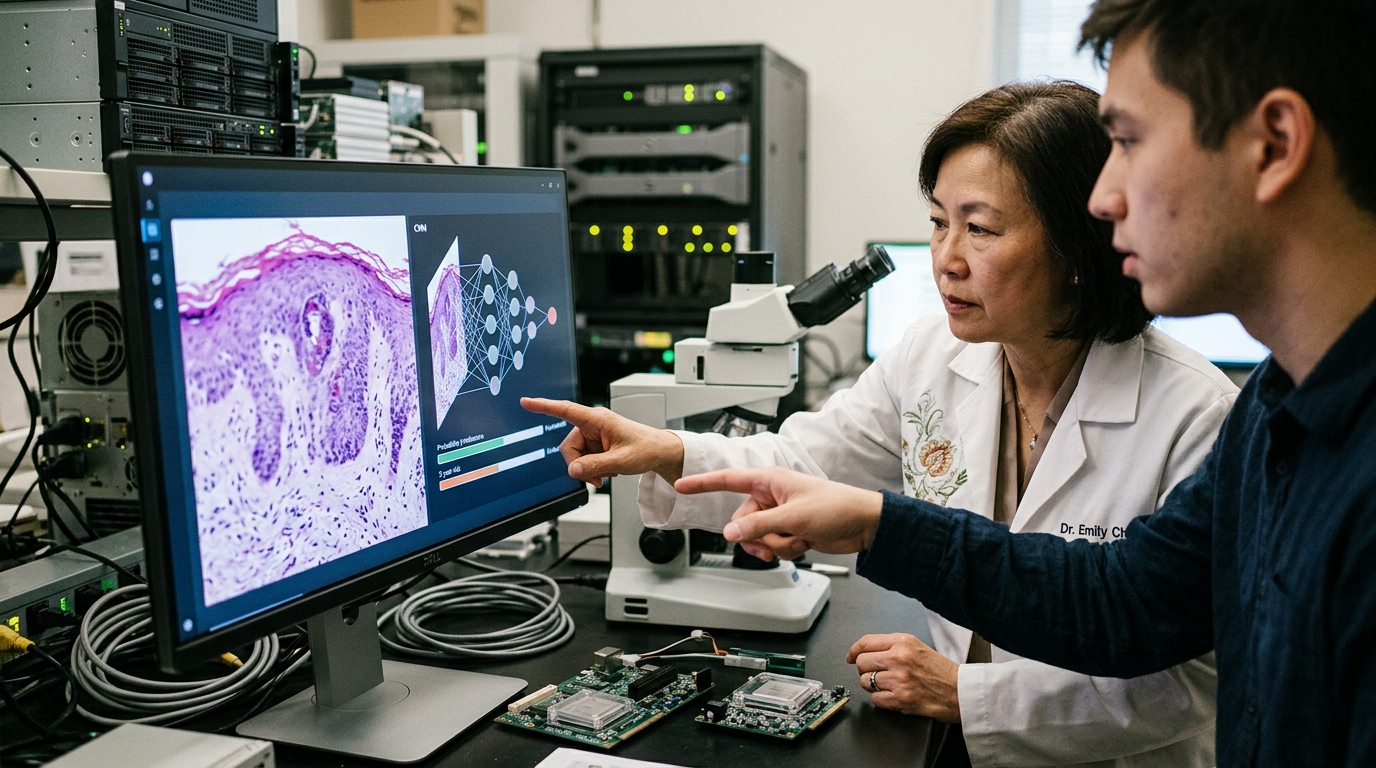
The battle against skin cancer is entering a radical new phase where diagnosis is yielding to prediction. According to recent research highlighting the power of Artificial Intelligence (AI) in oncology, new deep learning models are now capable of identifying the signs of melanoma up to five years before they become visible to the human eye or even the most experienced dermatologists. This development is not merely an improvement of existing tools but a fundamental paradigm shift in how we perceive preventative care.
The Technology Behind the 'Vision' of the Future
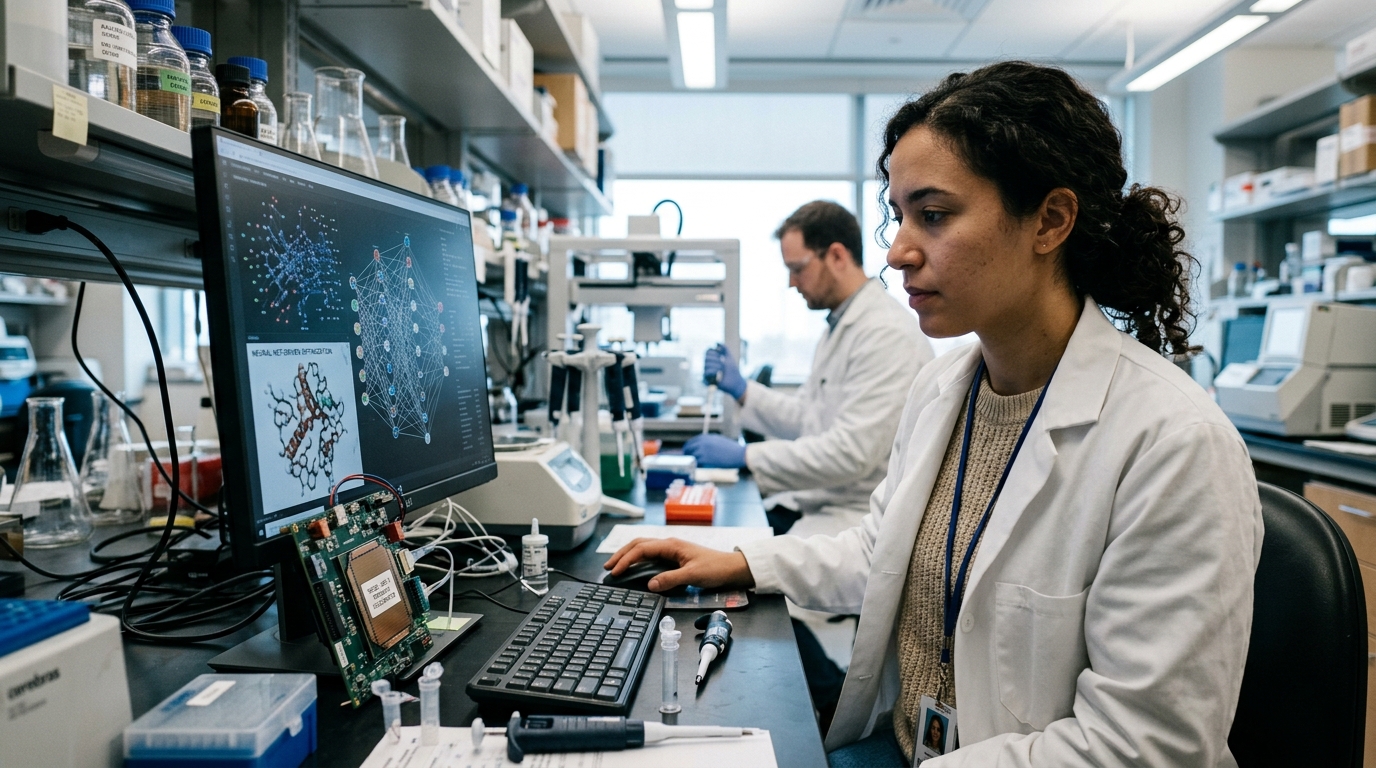
Melanoma is the most aggressive form of skin cancer, and early diagnosis is the key to survival, with cure rates reaching 99% when detected at an early stage. However, the challenge lies in the fact that precancerous lesions often remain 'silent' and morphologically indistinct for long periods. The new AI systems, trained on vast datasets comprising millions of dermoscopic images and patient histories, utilize Convolutional Neural Networks (CNNs) to detect microscopic anomalies in skin structure and melanin distribution.
These models are not limited to analyzing a single image. Instead, they evaluate the dynamic evolution of nevi (moles) over time, comparing historical data and identifying patterns that suggest a future malignancy.
"Artificial Intelligence doesn't just see what is there, but what is about to happen, by analyzing the latent geometry of cellular alteration,"researchers note. This longitudinal approach allows the AI to perceive subtle shifts in texture and color that precede clinical manifestation.
From Diagnosis to Prediction: Clinical Significance
The ability to predict cancer up to five years in advance allows clinicians to implement personalized monitoring protocols. Instead of standard annual exams, patients categorized as high-risk by AI can undergo more frequent screenings or even preventative interventions. This dramatically reduces the need for invasive biopsies in later stages, which are often painful and costly for the healthcare system.
- Reduction of false negatives that escape human observation.
- Potential for mass screening via mobile devices and telemedicine.
- Optimization of public healthcare resources by focusing on high-risk cases.
Furthermore, integrating these models into smartphone applications could allow citizens to monitor their skin health from home, receiving early warnings that direct them to a specialist. However, experts warn that this technology must function as a complement to, rather than a replacement for, medical judgment. The 'human-in-the-loop' model remains essential to interpret AI findings within the broader context of a patient's health and lifestyle.
Ethical Dilemmas and Data Challenges
Despite the encouraging prospects, the use of AI in disease prediction raises serious ethical and social questions. The first concerns the 'psychological burden' of knowledge: How is the quality of life affected for an individual who knows they have a high probability of developing cancer in five years? Managing this information requires a robust psychological support network and clear medical guidance to avoid unnecessary anxiety or 'over-treatment.'
The second major issue involves privacy and data usage. There is a fear that insurance companies could use such predictions to hike premiums or deny coverage to individuals labeled as 'high-risk' by the AI. Legislative protection of citizens against such discrimination is imperative before this technology becomes widely available. Finally, addressing bias in algorithms is critical, as many models have been trained primarily on fair skin types, reducing their accuracy for people with darker skin tones. Ensuring algorithmic equity is not just a technical requirement but a moral one.
Conclusion: A New Era for Oncology
The capability of Artificial Intelligence to 'predict' melanoma represents a milestone in medical science. As algorithms become more precise and datasets more representative, preventative oncology will transform from a reactive process into a proactive strategy. The challenge for society and the medical community is to integrate these tools in a way that promotes health, while ensuring equity in access and respect for human dignity. The future of medicine lies in the synergy between silicon-based processing and carbon-based clinical wisdom.