In the rapidly evolving landscape of medical technology, the convergence of clinical expertise and computational power represents the "holy grail" for diagnostic advancement. The recent announcement of Dr. Lawrence N. Tanenbaum’s appointment as Scientific Advisor to Neurophet, a South Korean AI pioneer specializing in brain health, is more than just a corporate shuffle. It is a strategic move signaling the transition of AI-driven neuroimaging from experimental curiosity to universal clinical utility.
Dr. Tanenbaum, one of the world’s most respected neuroradiologists and Director of Advanced Imaging at RadNet, brings decades of experience in translating emerging technologies into clinical practice. His addition to Neurophet’s roster underscores the company’s ambition to dominate the U.S. market—the global epicenter of medical innovation and the most rigorous testing ground for any new healthcare technology.
The Quantification Revolution: Neurophet AQUA and SCALE PET
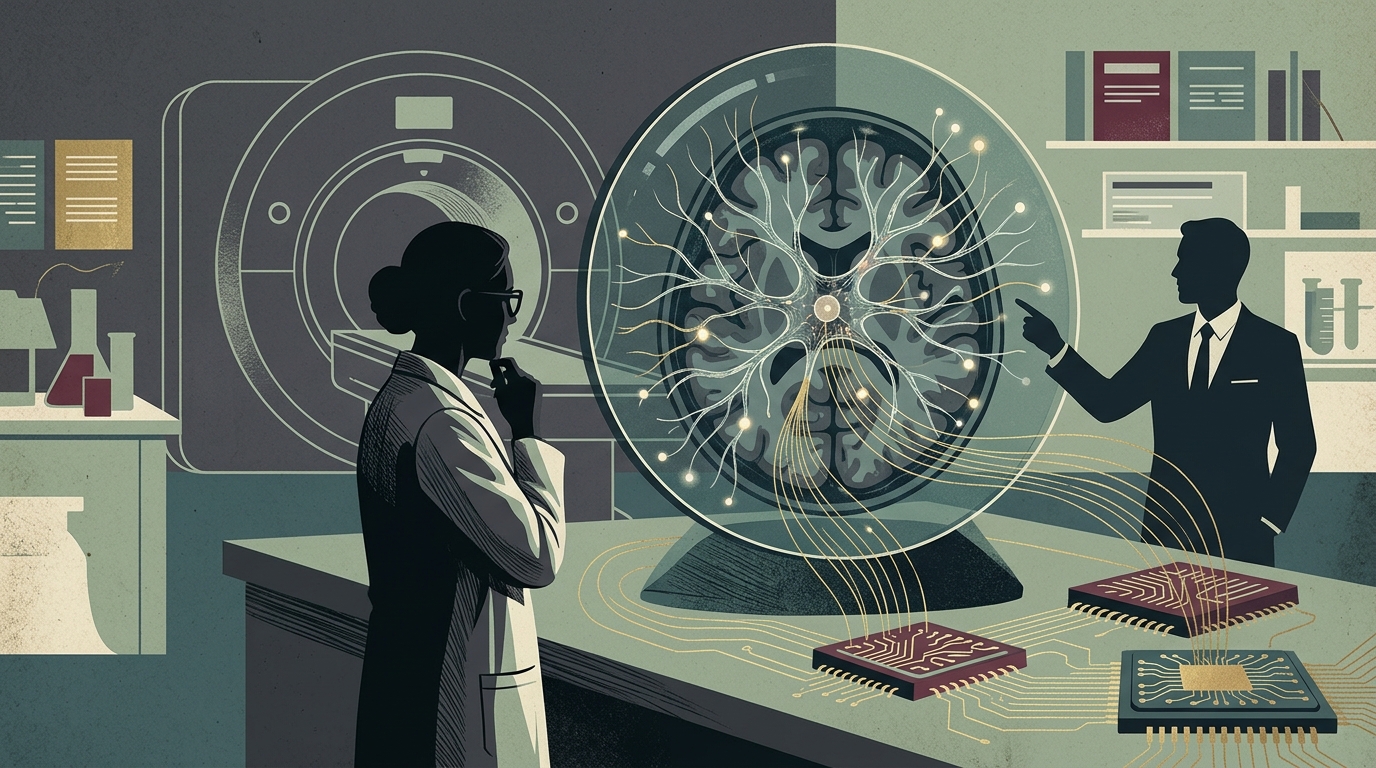
Neurophet has developed a suite of tools that fundamentally change how physicians interpret magnetic resonance imaging (MRI) and positron emission tomography (PET) scans. Neurophet AQUA is an MRI analysis software that provides automated quantification of brain atrophy, enabling clinicians to detect early signs of neurodegenerative diseases like Alzheimer’s. Similarly, Neurophet SCALE PET offers advanced analysis of amyloid and tau protein deposition, the primary biomarkers associated with dementia.
Dr. Tanenbaum’s role will focus on refining these tools to meet the exacting standards of American radiologists. The challenge is no longer just algorithmic accuracy; it is the seamless integration into the hospital workflow. As Dr. Tanenbaum has frequently advocated, AI should not be an additional burden on the physician but an "invisible assistant" that enhances efficiency and reduces diagnostic errors.
Strategic Expansion into the Global Market
This appointment comes at a pivotal moment for the neurology sector. With the approval of new Alzheimer’s therapies such as Leqembi and Kisunla, the demand for precise and rapid imaging has surged. These drugs require continuous monitoring via MRI to detect potential side effects, such as Amyloid-Related Imaging Abnormalities (ARIA). Neurophet’s technology is uniquely positioned for this role, and Dr. Tanenbaum’s guidance will be instrumental in validating these solutions within large-scale clinical trials in the U.S.
- Enhancing clinical validity across diverse patient populations.
- Optimizing user interfaces for faster adoption by radiology centers.
- Forging strategic partnerships with leading U.S. academic medical centers.
This collaboration also highlights the importance of bridging Asian technological prowess with Western medical practice. South Korea has emerged as a global leader in medical AI, but penetrating the U.S. market requires more than just code; it requires the trust and endorsement of the medical establishment.
The Future of Digital Neurology
Looking ahead, Dr. Tanenbaum’s presence at Neurophet could accelerate the development of predictive models. The goal is no longer just to diagnose the current state but to predict disease progression over a five-year horizon. By leveraging Big Data and analyzing thousands of imaging studies, Neurophet aims to offer personalized therapeutic pathways for every patient.
"Artificial intelligence in neuroimaging is no longer a luxury; it is a necessity for providing high-standard care," as noted by industry leaders.
In conclusion, the appointment of Dr. Lawrence N. Tanenbaum is a statement of intent from Neurophet. it confirms that the company is ready to lead on the global stage, blending innovation with clinical rigor. For patients facing the specter of neurodegenerative diseases, this partnership promises faster, more accurate, and more accessible diagnostics.