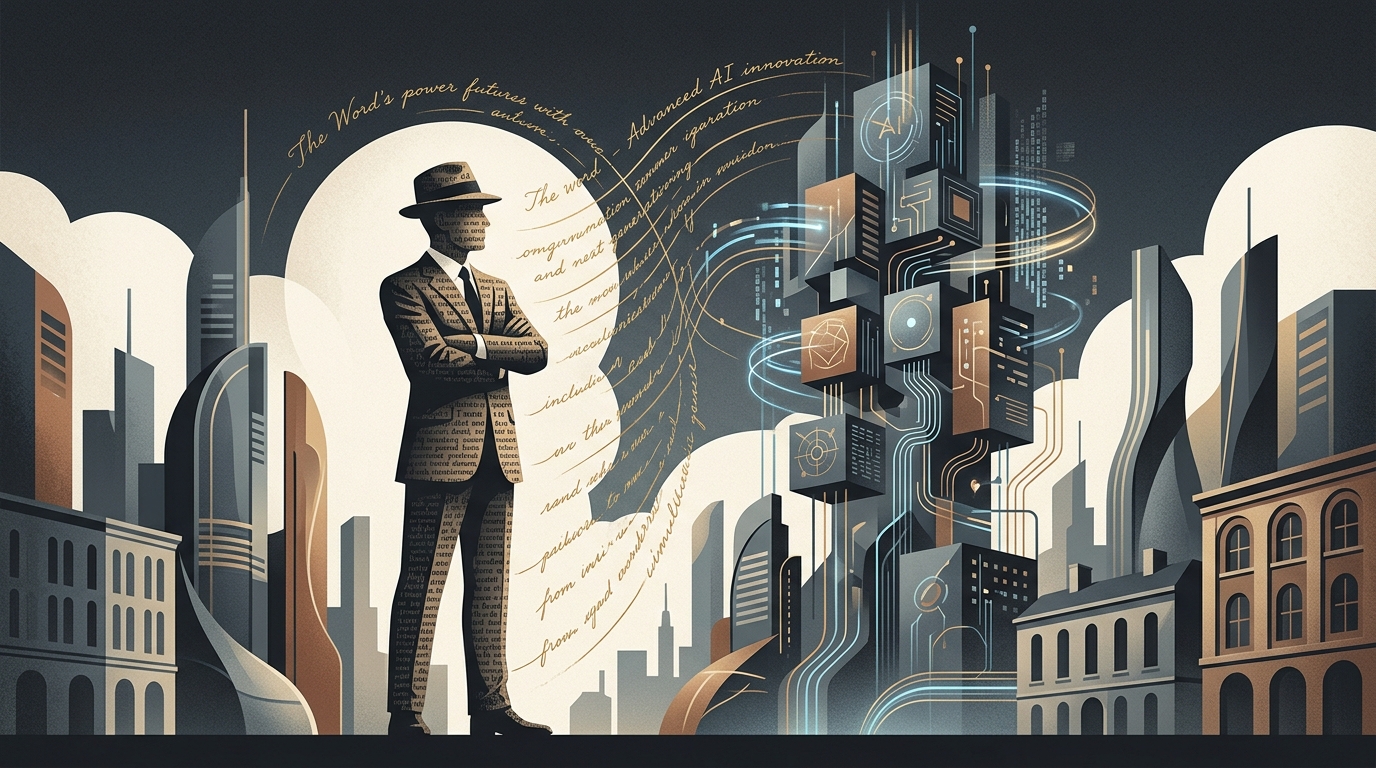
The traditional image of estate planning—stacks of yellowed papers, labyrinthine legal jargon, and hours-long meetings in wood-paneled offices—is rapidly giving way to a new, digital reality. As we move through 2026, Artificial Intelligence (AI) is no longer a futuristic promise but a central pillar in wealth management, as recently analyzed on the Diamond Podcast. The convergence of technology and wealth transfer is creating a landscape where precision, speed, and personalization redefine what it means to "leave a legacy."
Automating Bureaucracy and Reducing Costs
One of the most immediate impacts of AI on estate planning is the drastic simplification of drafting legal documents. Advanced Large Language Models (LLMs) are now capable of analyzing thousands of pages of tax law and court rulings in seconds, suggesting optimized structures for trusts and wills. This not only reduces the time required by attorneys but also makes these services accessible to a broader audience beyond the ultra-wealthy.
However, automation is not just about drafting. AI is now being used to predict future tax liabilities based on various economic scenarios. Algorithms can simulate how changes in inheritance tax laws or market fluctuations will affect the net value of an estate over decades, allowing testators to make decisions based on data rather than assumptions. This predictive power is a game-changer for long-term wealth preservation.
Digital Assets and the Access Challenge
In the modern era, an individual's estate is not limited to real estate and bank accounts. It includes cryptocurrencies, digital artworks (NFTs), social media accounts, and intellectual property stored in the cloud. Managing these "invisible" assets represents one of the biggest headaches for executors. AI provides a solution through intelligent cataloging and recovery systems.
AI-driven systems can monitor an individual's digital footprint and ensure that passwords and private keys are securely transferred to heirs without violating privacy protections or terms of service. Furthermore, blockchain technology combined with AI allows for the creation of "smart wills" that execute automatically when certain conditions are met (e.g., confirmation of death via official databases), eliminating the need for time-consuming probate processes.
Ethics and "Grief Tech": Legacy as a Living Entity
Perhaps the most controversial yet fascinating aspect of AI in this field is the creation of digital likenesses or "legacy bots." By using an individual's communication data, speeches, and writings, AI can create an interactive clone that allows descendants to "converse" with the deceased. While this offers a form of emotional comfort, it raises serious ethical questions regarding post-mortem autonomy.
Who owns the rights to a digital personality? Can an AI clone modify the testator's wishes if it "learns" new data? Wealth managers are now called upon to include these parameters in planning, advising clients not only on how to distribute their money but also on how to protect their digital legacy from malicious use or algorithmic distortion. The concept of the "right to be forgotten" takes on a whole new meaning when algorithms can keep a version of you alive indefinitely.
The Transformation of the Wealth Management Advisor
Despite the rise of technology, the role of the human advisor is not being eliminated but elevated. The advisor of 2026 is transforming from a document manager into a strategic orchestrator. AI takes over the heavy lifting of data crunching, allowing the professional to focus on human dynamics: managing family conflicts, educating heirs, and aligning the estate with family values.
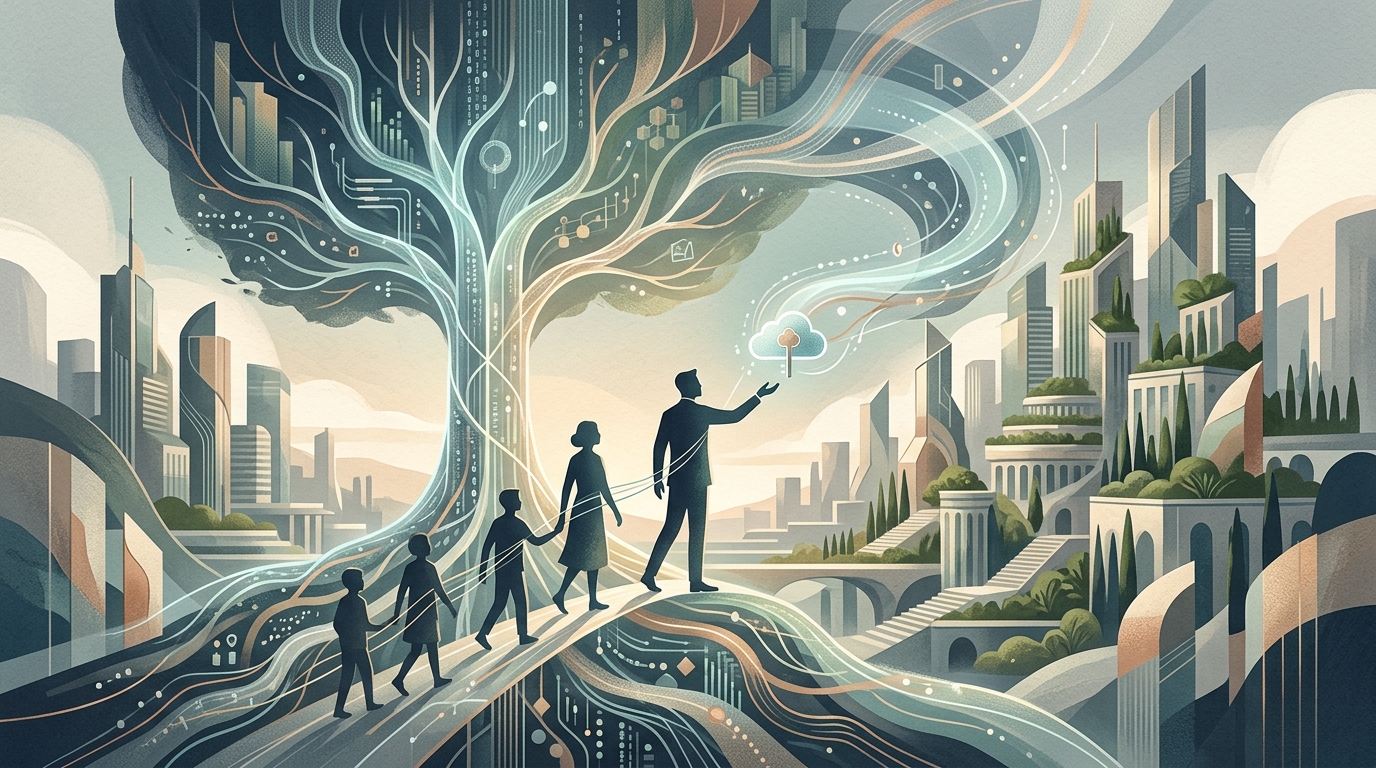
In conclusion, the integration of AI into estate planning is an inevitable evolution that promises greater transparency and efficiency. As the "Great Wealth Transfer" from Baby Boomers to Millennials and Gen Z unfolds, technology will be the key to ensuring that estates—both physical and digital—pass into the right hands with the lowest possible cost and maximum security. The future of inheritance is no longer just about what we leave behind, but how the algorithms we bequeath continue to serve our intentions.