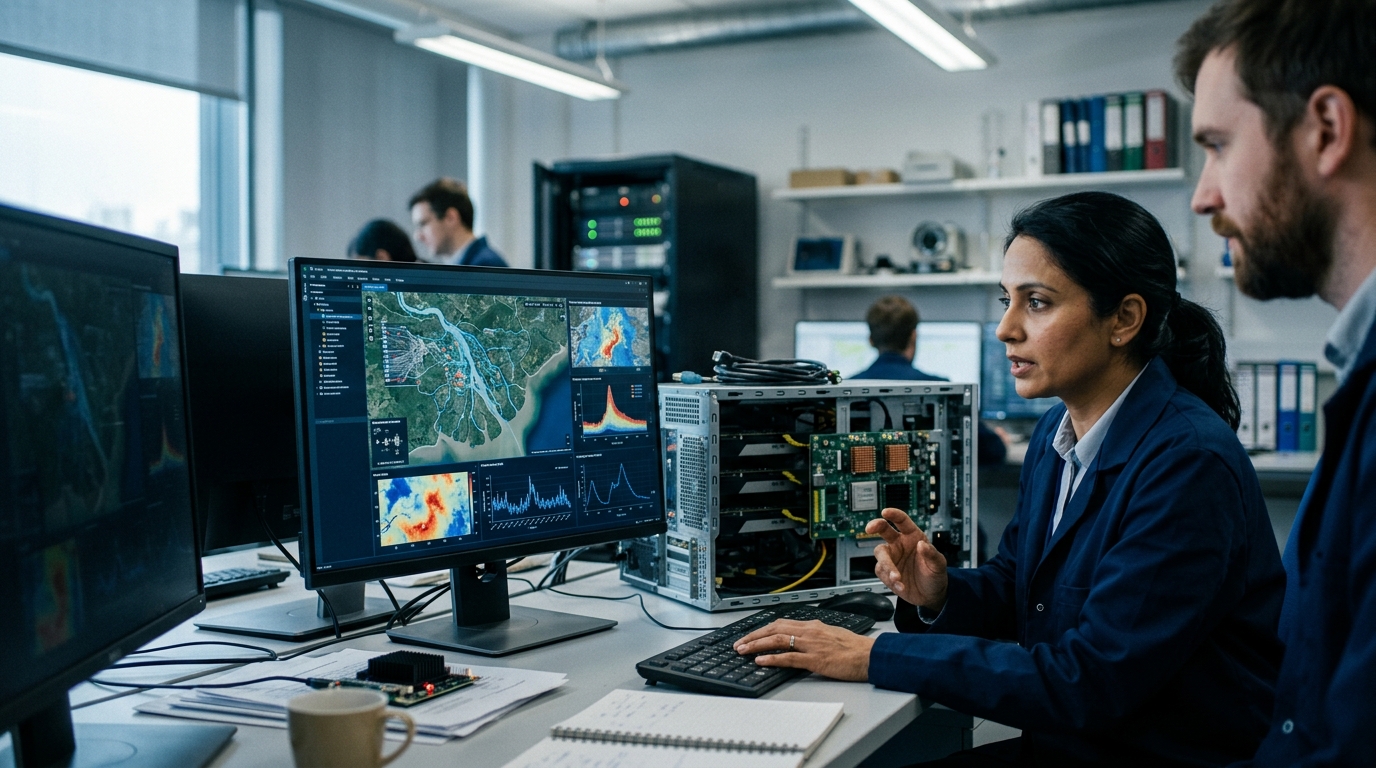
In the era of the climate crisis, where extreme weather events are becoming the new normal, our ability to accurately forecast floods is a matter of life and death. While Artificial Intelligence (AI) has revolutionized hydrology by processing vast amounts of data from satellites and sensors, new research highlighted by Eos.org emphasizes a critical truth: "Human-in-the-Loop" (HITL) remains the catalyst for success.
The Rise of Hydrological AI
In recent years, giants like Google and research institutions worldwide have developed deep learning models that can predict rising water levels in river systems with impressive speed. These models excel at managing complexity, identifying patterns that traditional physical simulations often overlook. However, pure automation has a "blind spot": a lack of context and an inability to handle so-called "black swan" events—occurrences that have never been recorded in historical training data.
"Artificial Intelligence is an excellent navigator, but humans remain the captain who knows the specific quirks of the harbor," the study notes.
The Data Deficit and Human Intuition
One of the primary problems with purely digital forecasting is data quality. In many parts of the developing world, water level sensors are sparse or frequently malfunction. This is where the human analyst becomes indispensable. Hydrologists possess local knowledge—they know if a dam has been damaged, if vegetation in a riverbed has changed, or if a specific area tends to flood differently than the numbers suggest.
The research shows that when experts intervene to "correct" or guide the AI model, the reliability of warnings increases by margins as high as 20-30%. This percentage translates into thousands of lives saved and billions of dollars in protected infrastructure.
The Human-in-the-Loop (HITL) Methodology
The HITL model isn't just about a human clicking "approve" on an alert. It is a dynamic collaboration where:
- AI handles the heavy lifting of real-time data processing.
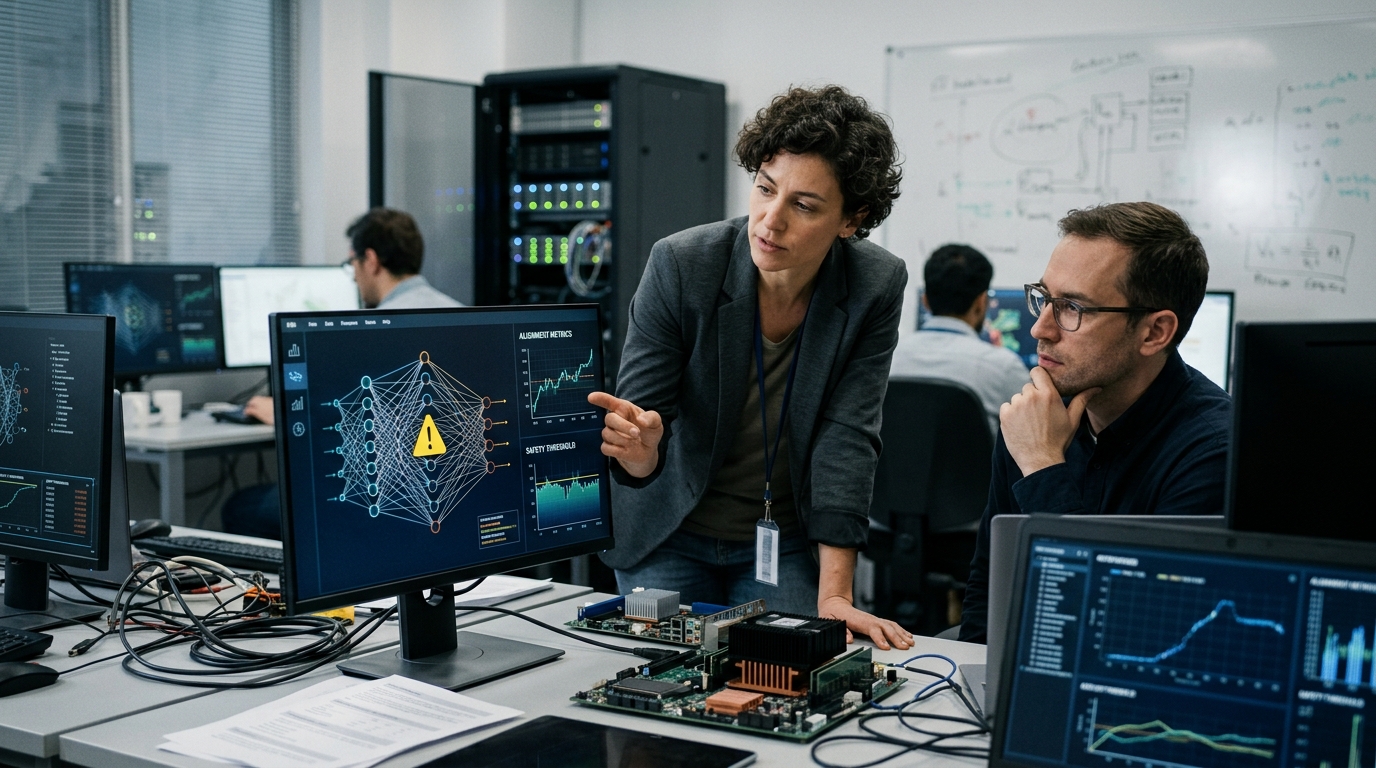
- Humans evaluate the model's "uncertainty" and provide corrective data from the field.
- The system retrains based on human corrections, creating a virtuous cycle of learning.
This approach also addresses the problem of "false alarms." Over-reliance on automation often leads to unjustified warnings, which in turn cause "alarm fatigue" in the population. The human acts as the final filter of reason, ensuring that alerts are both accurate and critical.
Political and Ethical Implications
The shift toward the HITL model also raises significant questions about accountability. If an automated system fails, who is responsible? Integrating humans into the decision-making loop restores the ethical dimension to disaster management. Furthermore, it highlights the need for continuous training for scientists, who must not become mere observers of screens but active partners of algorithms.
In conclusion, flood forecasting is not just an exercise in statistics but an act of social protection. Technology gives us the tools, but human judgment remains our compass in an increasingly unpredictable climate.