Organ transplantation has always been the most dramatic and complex "choreography" of modern medicine. It is a race against time, where biology, logistics, and ethics collide in a high-pressure environment. Today, as we navigate through 2026, Artificial Intelligence (AI) is no longer an experimental promise but the central pillar reshaping every stage of this process. From assessing organ viability to long-term recipient monitoring, algorithms are providing solutions where human judgment often reaches its limits.
The Revolution in Matching: Beyond Blood Types
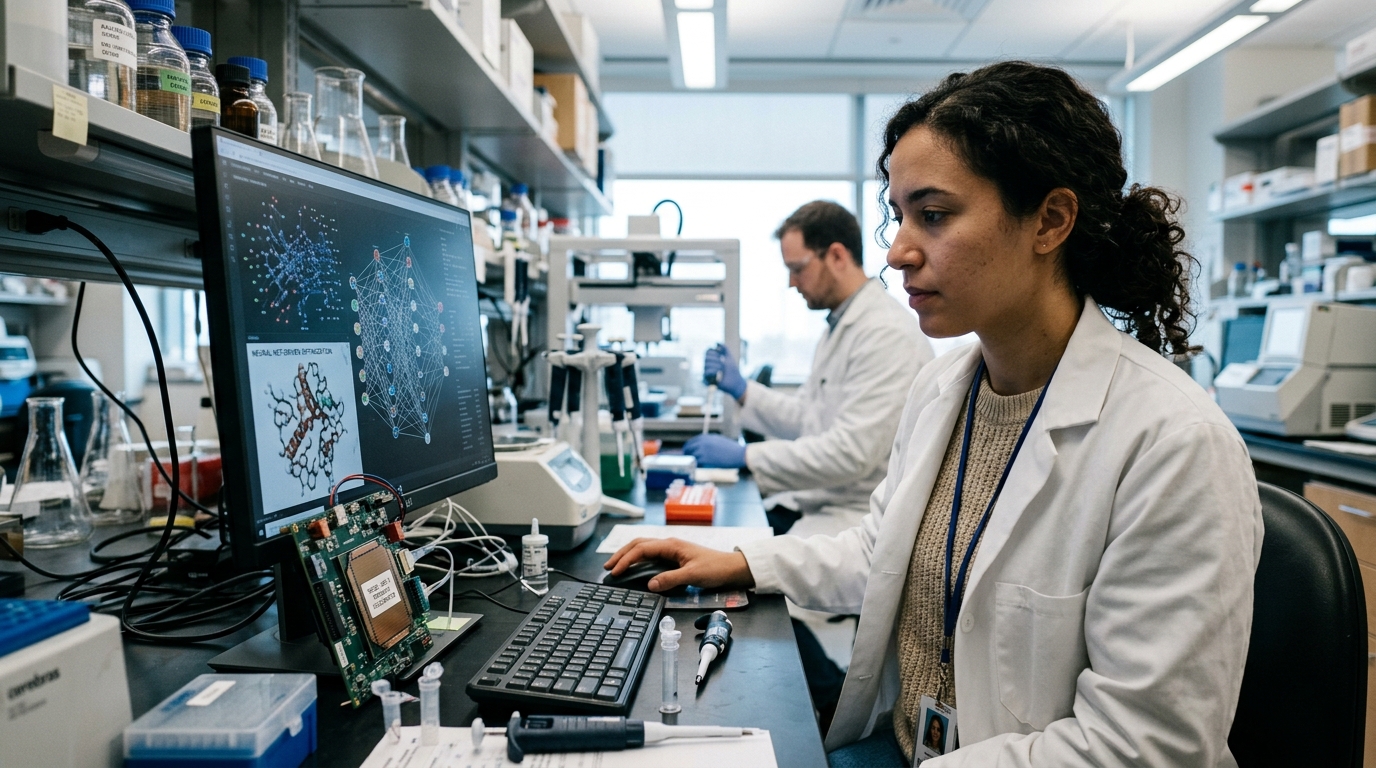
Traditionally, matching donors and recipients relied on relatively simple criteria: blood type, tissue compatibility (HLA), body size, and geographical proximity. However, the success of a transplant depends on thousands of other variables that often escape human analysis. Machine learning systems now used in major transplant centers across Europe and the US analyze vast databases, including genomic profiles, medical histories, and socioeconomic factors that influence treatment adherence.
These AI models can predict graft survival rates over a decade with accuracy exceeding 90%. Instead of a static waiting list, we now have a dynamic ecosystem where organ allocation is driven by maximizing "Quality-Adjusted Life Years" (QALYs). This means the organ doesn't just go to the next person in line, but to the individual who will benefit most from it, drastically reducing cases where a precious graft is lost due to premature rejection.
Rescuing "Marginal" Organs via Computer Vision
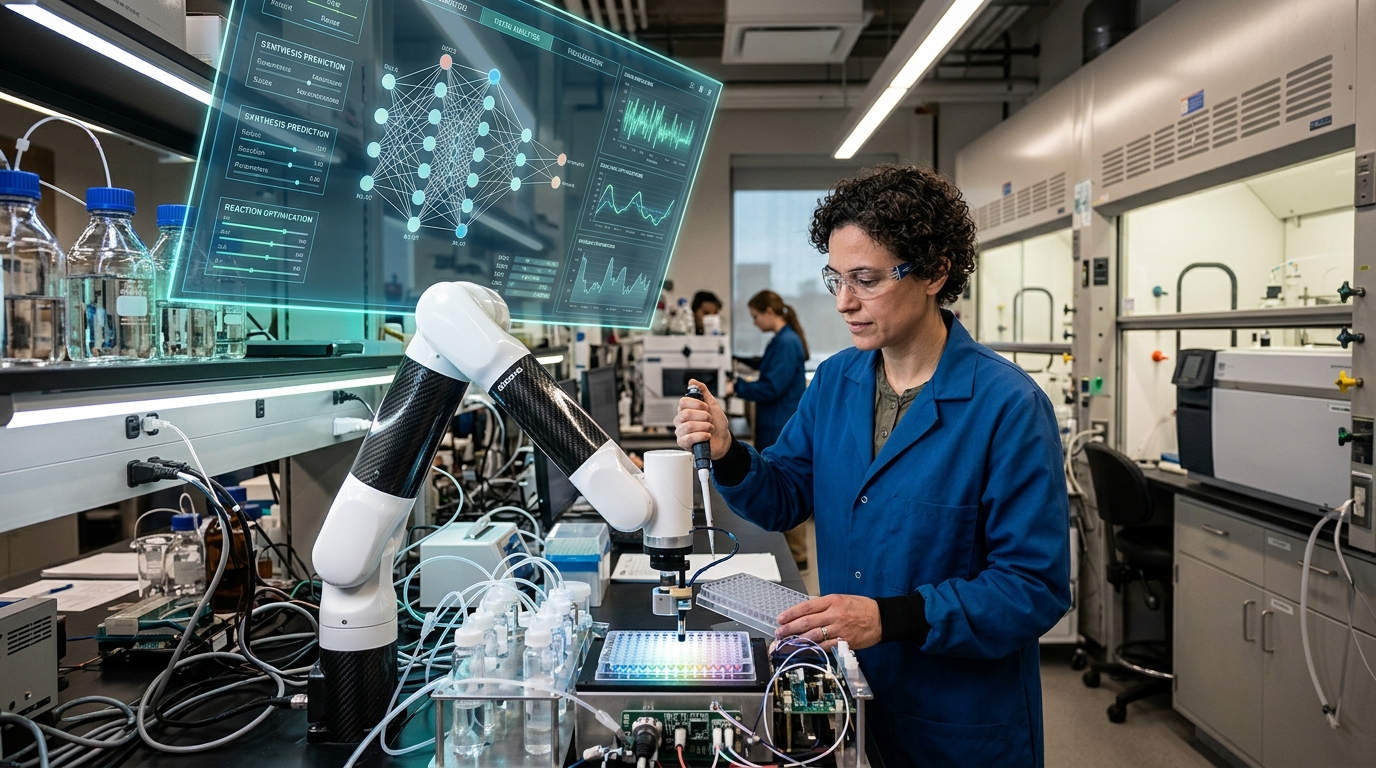
One of the greatest challenges in transplantation is the organ shortage. Historically, many donors were rejected because their organs were considered "marginal" due to age or pre-existing conditions. AI, combined with advanced machine perfusion techniques, is changing the game. Using computer vision technology, surgeons can now analyze in real-time the microcirculation and tissue structure of a liver or kidney while it is outside the body.
Algorithms detect signs of steatosis or fibrosis that the human eye might overlook. The result? Organs that once would have ended up in medical waste are now being "reconditioned" and safely transplanted. This approach has increased organ availability by nearly 20% in some regions, offering hope to thousands of patients who previously would have died on the waiting list.
Predictive Monitoring and the End of "Silent" Rejection
The challenge doesn't end in the operating room. Graft rejection remains the greatest fear. Until recently, rejection was often diagnosed only after damage had already occurred, through invasive and painful biopsies. Today, AI enables "liquid biopsies" and continuous monitoring via wearables and smart sensors.
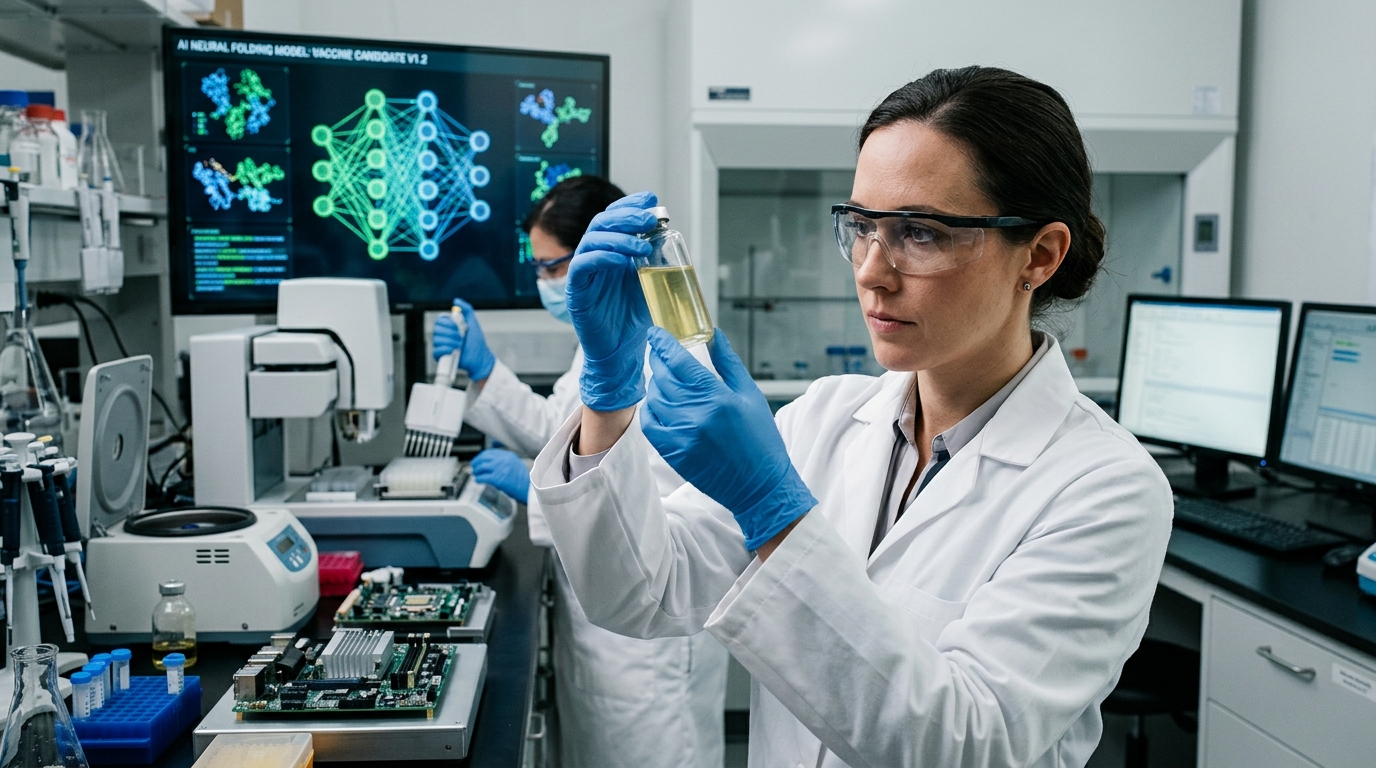
By analyzing biomarkers in blood and urine alongside data from the recipient's immune system, AI can identify the first signs of an impending immune attack weeks before clinical symptoms appear. This allows doctors to adjust immunosuppressive dosages with millimetric precision, minimizing drug side effects and extending the life of the graft. It is the epitome of personalized medicine: each patient receives exactly the care they need, exactly when they need it.
Ethics and Transparency: Who Has the Final Say?
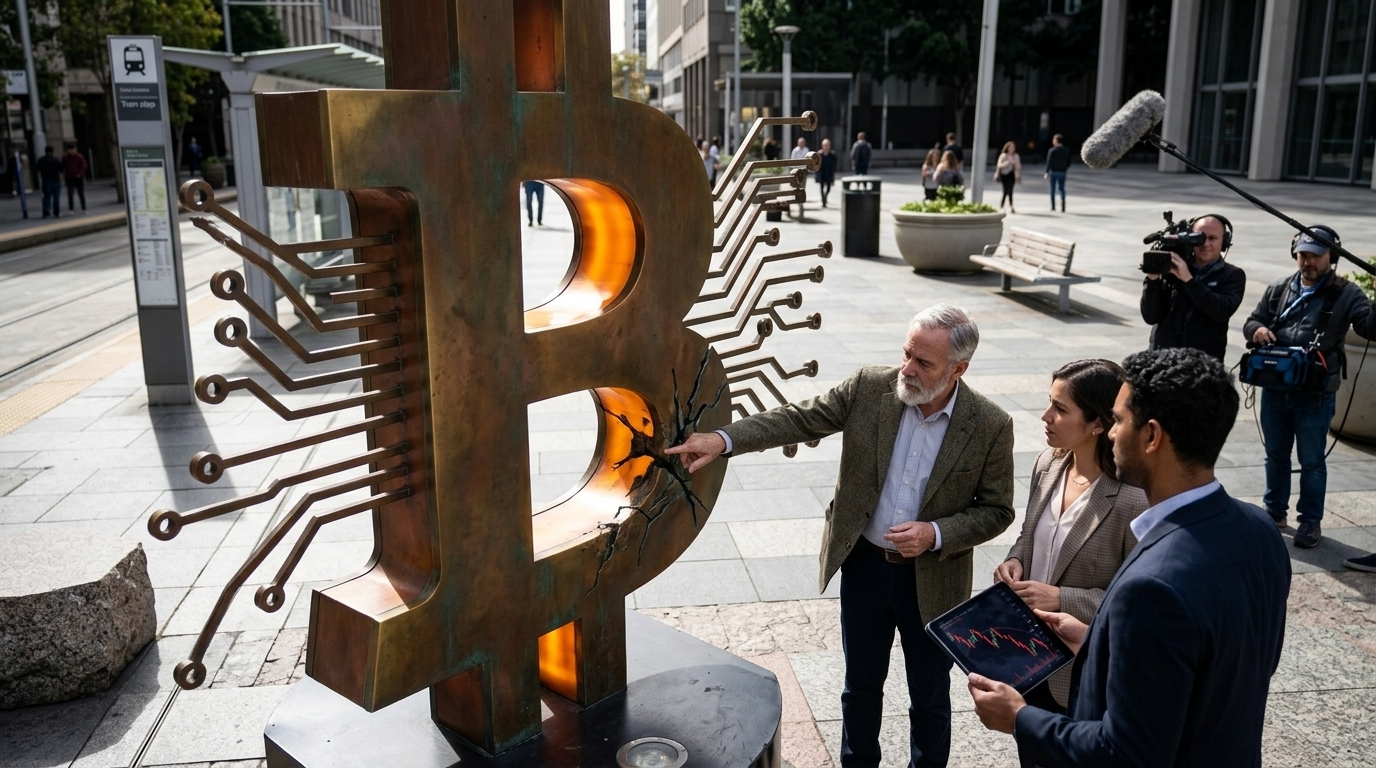
Despite the benefits, using AI in life-and-death decision-making raises serious questions. If an algorithm decides a patient has low chances of success, how do we ensure there is no bias against the elderly or the socioeconomically disadvantaged? The transparency of AI "black boxes" is the next big hurdle. Regulators in the European Union insist that the final decision must remain with the human physician, with AI acting as a "co-pilot" rather than an autopilot. The ethical dimension of digital health will determine public trust in these technologies, which, though coldly computational, aim for the most human act: saving a life.